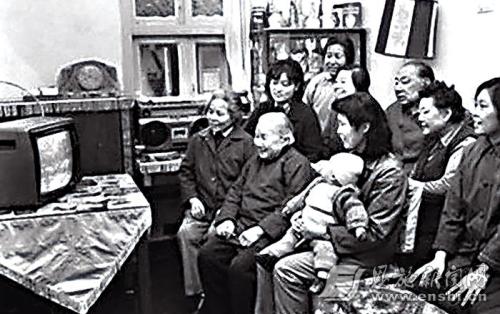
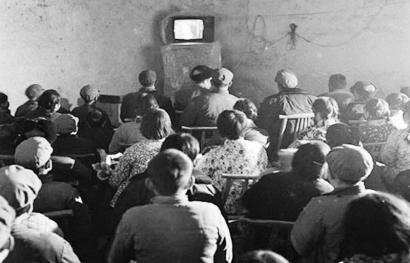
The invention of the television definitely changed people’s life. Before 1927, the television haven’t been invented, people’s life were totally different. Screen changed our life entirely. The invention of the television make people’s life more convenient and interesting, it allow us to get information, news at home and TV shows, games to entertain our life. In 1970s, it is really honor to have a television in China. The television helped a lot with promote the new strategy to people in our country. As we all know, China once was new build and pretty poor. The television helped with gather people together and spread the right direction to success.
I don’t know much about America television history, but Rod Serling is someone who can’t avoid when we talk about America television. He changed the whole industry of television. He worked really hard to push the television industry to develop. The influence he made still count today, the style of the TV shows he created we can still found in todays TV shows. He create a nice foundation for the future. Compare to Chinese TV show, America TV shows have more variety and more entertainment to watch. Most of the America TV shows can make you feel connect to it, because actor’s skill is really high. I think it give the credit to Rod Serling, because he has set the high stander at the first.
The creation of the television was revolutionary. It allows us to receive information from an entirely different spectrum but it also has such an effect on how we live our lives. The sitcoms or movies depict an elusion of how people act in the real world. The characters in these shows try to relate to an average persons life problems. The difference being the available resources and time the characters in the show really have compared to the average person who actually needs to put the time in and put the work in day in and day out.
Both of these shows represent a group of friends that struggle with many average problems any other group of friends would have but the characters handle their problems completely different. Their problems will vanish in an instance. They’re representing the wrong ways to handle with certain problems and people will take it and run with it anyways. People take the advice from shows like these to deal with their own real life situations.
Rod Serling was ahead of his time. He was a genius storyteller. Serling took such simple ideas and turned them into complex, confusing, eye-opening, masterpieces. He created such detailed stories out of thin air. Serling was unstoppable with his writing. The influence that he had on media today will never be matched. What he did with “The Twilight Zone” was so destructive yet beautiful.
Television is a spectacular source to learn new information and teach viewers about what is going on in the world, whether it be from the news or a lesson learned from a popular show. Television educates the world with its content. Could you imagine a world without a television sitting in the living room? Believe it or not, there was once a time where nobody even knew what television was and it became a brand new, exciting technology and a foreign term that was not a household name like it is now. The world’s first television stations in America began in the late 1920s. Charles Francis Jenkins created the first station titled W3XK, airing its broadcast in 1928. The same television that was a fancy and advanced technology then turned into a critical form of communication and became widely popular among Americans- to the point where every living room included the illuminating box of light and color. Once the 1970s era rocked the United States, television stations boomed and along with that came shows such as The Brady Bunch, Happy Days, Charlie’s Angels, Little House on the Prairie, and many more that accumulated a massive audience and became extremely popular within homes. Inside all of these shows surfaced the feelings of innocence, nostalgia, and everyday life while focusing on many social issues, and family relations.
Television in the 70s was a tumultuous era that paved way for how television is seen in this day and age. Television had a profound and wide-ranging impact on American society and culture. It influenced the way that people think about such important social issues as race, gender, and class. Television helped to spread American culture around the world especially within the start up shows in the 70s. Television is a medium that improves the world, triggers imagination, raises curiosity, encourages education and gathers millions around common interests. Time and people have changed due to the impact that television has brought about.
The 70’s proved to the world that it is okay to broadcast scenes on television that portrayed real life whether they were good or bad. For example, Charlie’s Angels gave way to three powerful women, (which was big especially back then concerning women’s rights) and The Brady Bunch was a show about a family and showed how life worked within that. There were so many other shows throughout the 70s that held meaning to Americans all over. To this day, people young or old could recite staple shows from the 70s because that’s how much power they held.
This week in class, we learned about Rod Serling and the whole twilight zone. He was a very successful man and i had no idea who he was till i watched this video and realized how much he influenced us and how he made us have what we have today. He was really smart and his friends always thought he was crazy but he believed in himself and had confidence in him so he had his sights set pretty high. His wife would talk about how he was traumatized from the war and like most men were. Some of his best writings came from the pain from the war and his mental suffering from the war too. The emotion he poured out was raw and very different from others. Being able to write those things and see them was a great way for him to get it off his chest and to express his self.
Serling was well known for his ability to expose the potential for evil amongest humanity in his writing. Serling would also question his work and would never think his work would be the best and never have worth so you would see him question himself. He had this pressure to make his work great and he did a great job because The Twilight Zone became famous and was a hit.
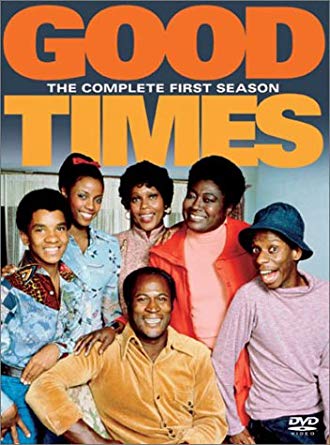
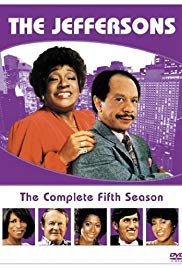
The 1970s had alot of hits during this decade. It had shows like Happy Days, The brady bunch, Good times, The Jefferson etc. During this time, people were still trying to accept African Americans and there was a lot of tension as to why they were on TV. I feel like the main focus was to get rid of this controversy and to focus on making an difference and to show people that different times are coming.
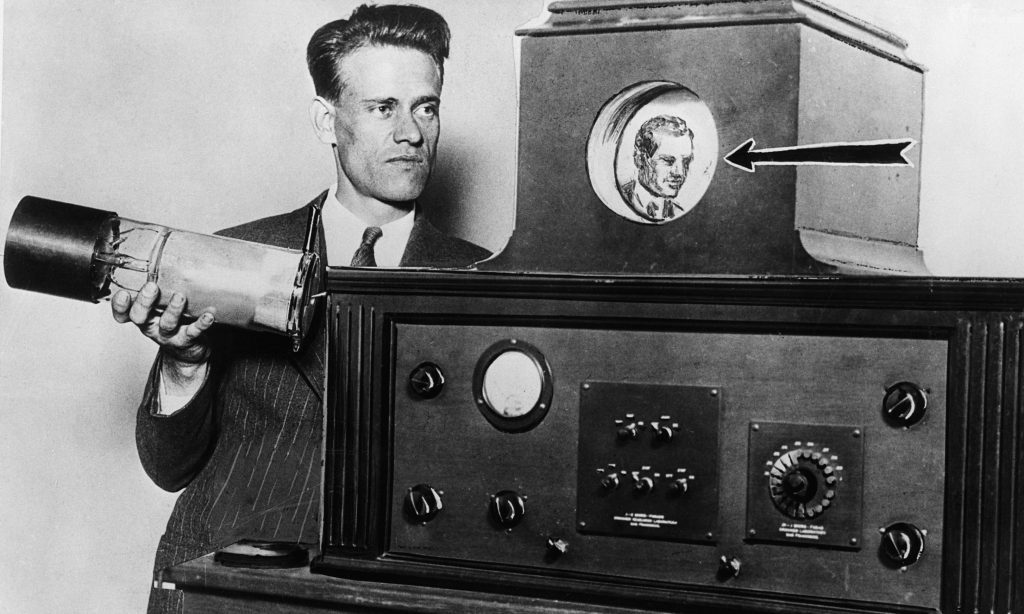
Ever since Philo Taylor Farnsworth invented the television in 1927 when he was just 21 years old, the world was changed forever as the TV has been a set piece that is supposed to go in a family living room. I cannot imagine being that young and having such and impact on the world.
Philo Farnsworth with the TV
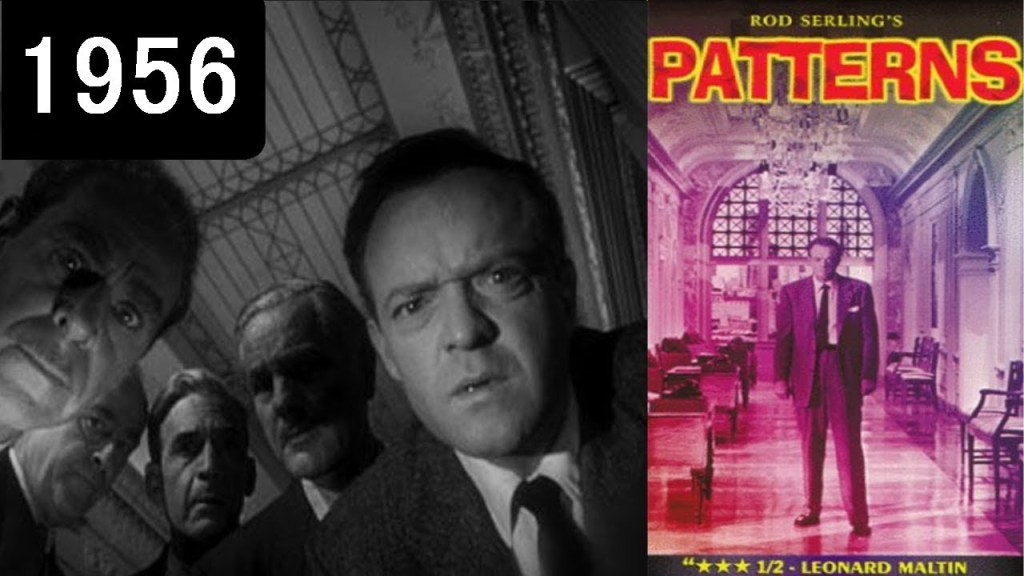
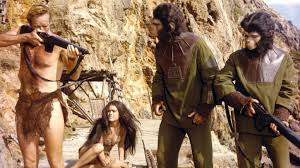
When the fifties rolled around, Rod Serling, who before television was a struggling freelance radio writer, finally branched out into TV business and wrote a script for the drama, “Patterns” which he later won an Emmy for. Sterling is known for his work “The Twilight Zone”. The show was strange mix of horror, science-fiction, drama, comedy and superstition. He wrote 80 out of the 150 shows that aired in its early years. He also was co-writer for the famous film, ‘Planet of the Apes”.
Patterns and Original Planet of the Apes
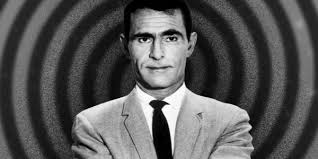
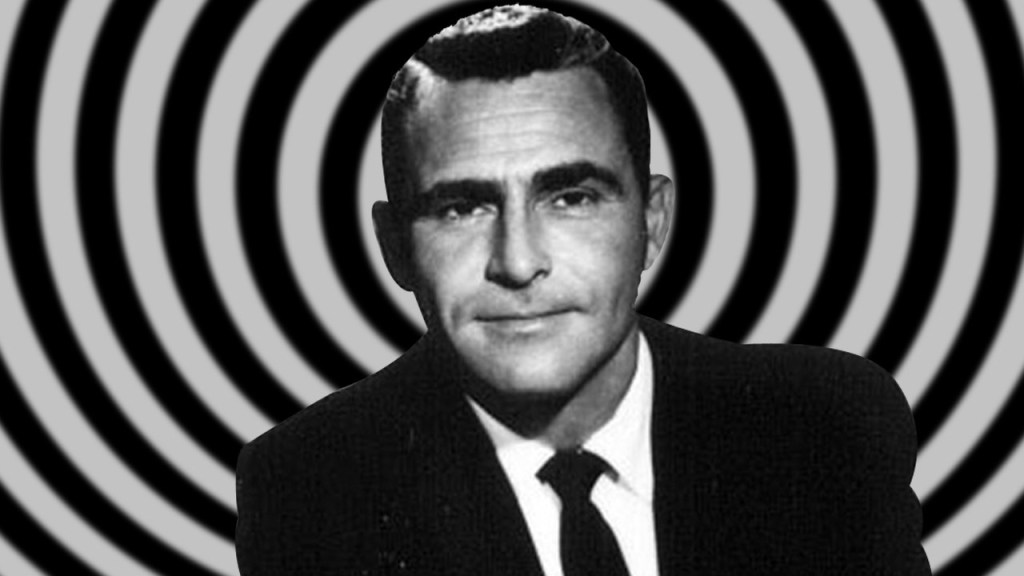
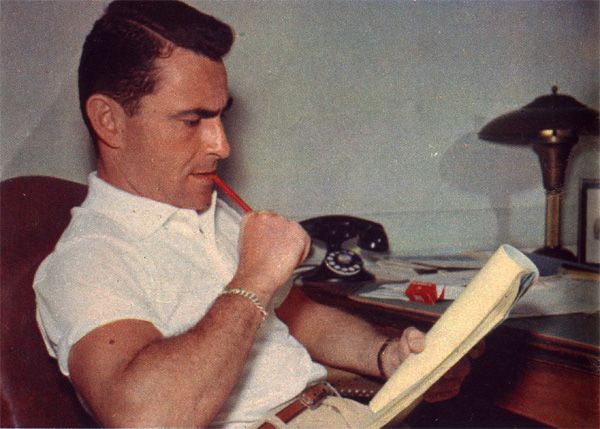
Rod Serling
Serling spent his later career hosting Rod Serling’s Night Gallery and teaching screenwriting at Ithaca College. Over the course of his career, Serling wrote an estimated 252 scripts and won a total of six Emmys. Serling was around this area which I personally think is a great addition to the story for us because it makes it hit closer to home in a way.
In May of 1975, when he was 50 years old, Serling had a heart attack while running on a treadmill. A couple of weeks later, he had a second heart attack, at his cottage on Cayuga Lake, and was sent to the hospital for open-heart surgery. On June 28, 1975, Rod Serling died at Strong Memorial Hospital in Rochester, New York.
Now lets talk about the seventies and its impact on TV.
“The 1970s have always been America’s misunderstood, enabling middle child of the late 20th century, seemingly nowhere near as tumultuous or sea-changing as the ’60s, or as socially and economically polarized as the 1980” – CNN
Every show only had one sponsor, which is honestly impressive compared to how many advertisements and sponsors are given in a TV show today.
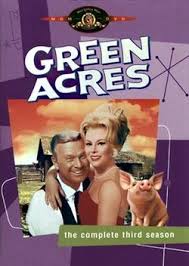
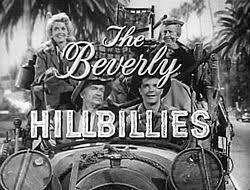
The evolution of TV news and entertainment mirrored social and political events in the decade. At the end of the ’60s, with Vietnam still raging and social upheaval in many corners of the nation, TV was used as a way to escape from the bad things, sitcoms such as “Green Acres” and “The Beverly Hillbillies” that had nothing to do with what was going on in the real world at the time. The documentary also examines the changes in sports coverage during the 1970s, including the debut of “Monday Night Football,” which began on ABC with a broader playing field, as it were, designed to engage viewers who weren’t just interested in the games.
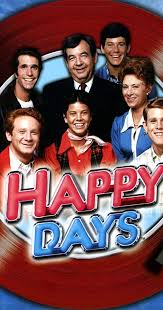
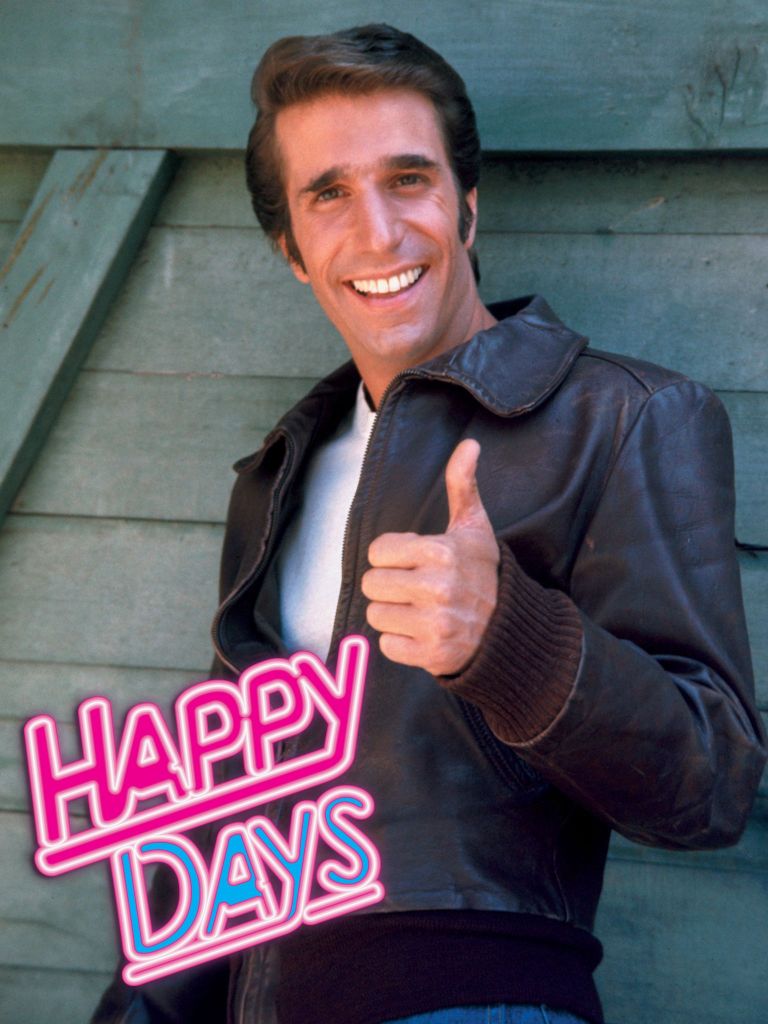
For a while, television seemed to be making up for lost time in the area of diversity alone, but then it seemed to get institutional cold feet. The definition of a family was recast again, back to mythological good old days, with shows like “The Waltons,” “Happy Days” and “Little House on the Prairie”
Television is an ever growing media outlet, but where did it begin? Television was created in the 1920’s but did not become popular until the 1950’s. A very popular show created at this time was “I Love Lucy.” When television became popular it started out as more of an experiment for producers and creators to showcase all of their ideas. They could see what did and didn’t work. Their audience was no longer limited and they had the opportunity to reach millions. Many producers and actors/actresses were overwhelmed with it all. In the documentary an actress spoke of the production as “thrilling and invigorating,” she said it gave a sense of danger. There was nothing relaxing about being on the set of a television show.
Television is a delivery device for consumerism, meaning that the main use for television is to provide the audience with information and advertisements to target potential buyers. The main goal is to reach the consumers. Advertisements have been a part of television since its creation. TV was the first outlet that gave advertisers the opportunity to reach so many people simultaneously. In the past there had been movies and radio that reached just a fraction of the people that television now can.
Rod Sterling was a major influencer during the time when TV was new. I had not heard his name before I watched the documentary in class, but I had heard of The Twilight Zone, which he is most well known for to many. I did not know much about the series or its history but I had the idea that it was somewhat SciFi and exploratory of mankind. What I found so surprising was the doubt that Sterling had for his own work. He did not think his work was worthy and was constantly questioning his ideas. He had a tough past, being a veteran, but I believe this is what led to his brilliant ideas in producing series such as The Twilight Zone. the pressure was on to create great work because that was hi work previously and he had to continue to show up and prove himself. He always felt as if he was in an uphill battle. Hearing Sterling’s experience gave me a taste of what it was like to be a producer during this time in television.
The 1970’s were full of new television series. After doing some research i found that many of the shows that were created during this time were family friendly. The shows were able to be watched by all ages which made them very popular. Families could sit down and watch a show together without the fear of the show being inappropriate for the children. Shows such as Happy Days, The Brady Bunch, Good Times, and The Jeffersons were made. There was always a worry that shows could cause offense or bring criticism. This was a time when African Americans were still not fully accepted into society and there was tension. Shows that had an African American cast and created a plot that could be found offensive created much controversy. The main focus for these shows during the time was to focus on issues in society that people could relate to but was family friendly to enjoy with their families.
In class we learned about how television was first created, how it was used, and how it became so popular. Rod Sterling and The Twilight Zone are one of the main reasons television became so popular and changed how we view it. Rod Sterling created The Twilight Zone to make real life situations that almost everyone can relate to. It also shows how a person can change their ways and have a second chance in life while others get caught up in their greed, lust, or selfishness. For example, it was an apocalyptic time period and a man was by himself, but he found a broken down library where he could read all the books he could ever need. In the end his glasses break making it almost impossible for him to see at all. This just shows you that we can’t take anything for granted and too much of one thing can also be a bad thing. Also, I thought it was very interesting on how TV shows back during that time period had to have sponsors to be aired. And those sponsors could tell the creator what he can and can’t produce. Even for someone like Rod Sterling its crazy to think that someone would want to censor and modify his works because of how incredible and brilliant they were. I also was able to see how television changed throughout the years, like the adding of HBO, where it was the first paid subscriptions for TV and it revolutionized the industry to this day. They were able to get away with more things that wouldn’t be able to be shown on regular TV, and they were able to say whatever they would like, including swearing. The development of TV drastically changed during the 70s because with all the family shows that came about it started trends. This eventually led to some shows talking about real life problems and some of which caused a lot of drama between communities. Talking about people’s sexuality, race, culture, political views, and much more were the ones that stirred up the drama. There was also another big thing every Monday that was on TV, it was Monday night football. If you didn’t watch the game there you were out of the loop in conversations because it was that popular, it was more than just football, with the commentators and everything else that went on during the games it was almost better than any show during that time.
I was so interested in the Twilight Zone that I came across this video and it is some of the most creepiest moments in the shows lifetime. If you have time I strongly encourage you to watch it.
This week in class we watched a documentary about Rod Serling. He was a very successful man and I had no idea about him or any of his work until “The Twilight Zone” was mentioned. He was always a defeat the odds kind of guy. He was a small fella, and he enlisted into the paratroopers after seeing a video when he was in the armed forces. His buddies thought he was crazy, but he believed in himself and made it through training, which made him a success. His wife mentioned that he was traumatized from war, like most men in that time, and now often are. However, some of his best and most successful writings came from his pain and even mental suffering from war. The raw emotion allowed him to pour it all out. He wrote plenty of pieces that were based on war that were extremely similar to his own experiences. Being able to write and see these experiences come to life was a nice way for him to get it off his chest and basically move on.
Serling was well known for his ability to expose the potential for evil amongst humanity in his writing. He would often chose a pretty normal story plot that would face a basic person with a moral dilemma where they had the potential to make an unethical decision or even worse. I cannot remember the name of the piece, but it was a WW2 piece that was about a soldier who’s job was to take out a group of Japanese soldiers. When he wakes up one day, he is a Japanese soldier who’s job is to take out a group of American soldiers. That sounds like a tough show to watch that would keep you on the edge of your seat. Serling really placed an emphasis on the characters of his writings, not necessarily the action that creates a reaction. When he was writing for “The Loner” for CBS, the network had an issue with the lack of violence and action. But Serling was so focused on having likeable characters that the fans could fall in love with and be easily liked.
It is funny how much times can change. Serling underwent tremendous amounts of criticism for doing commercials. Fans thought it made him lose his credibility and become less respectable. In today’s age, some celebrities are known because of commercials, and if you are not endorsing multiple products, you are not successful.
To this day, television has been one of the largest industries in the United States. Television has been used as a delivery device to consumers, and as a medium for connecting people to things going on around the world. This has allowed companies to show their products as advertisements through television, which became known as commercials.
One of the biggest influences during the beginning of the television era was Rod Serling. Rod was an undersized paratrooper in World War II. Throughout the war, he experienced many traumas that went on to haunt him long after the war. To cope with this, Serling got into writing. Writing for Rod was a form of therapy where he could right out all of his problems out onto paper. Rod soon developed a great talent for writing, which later opened many doors for him in the film industry.
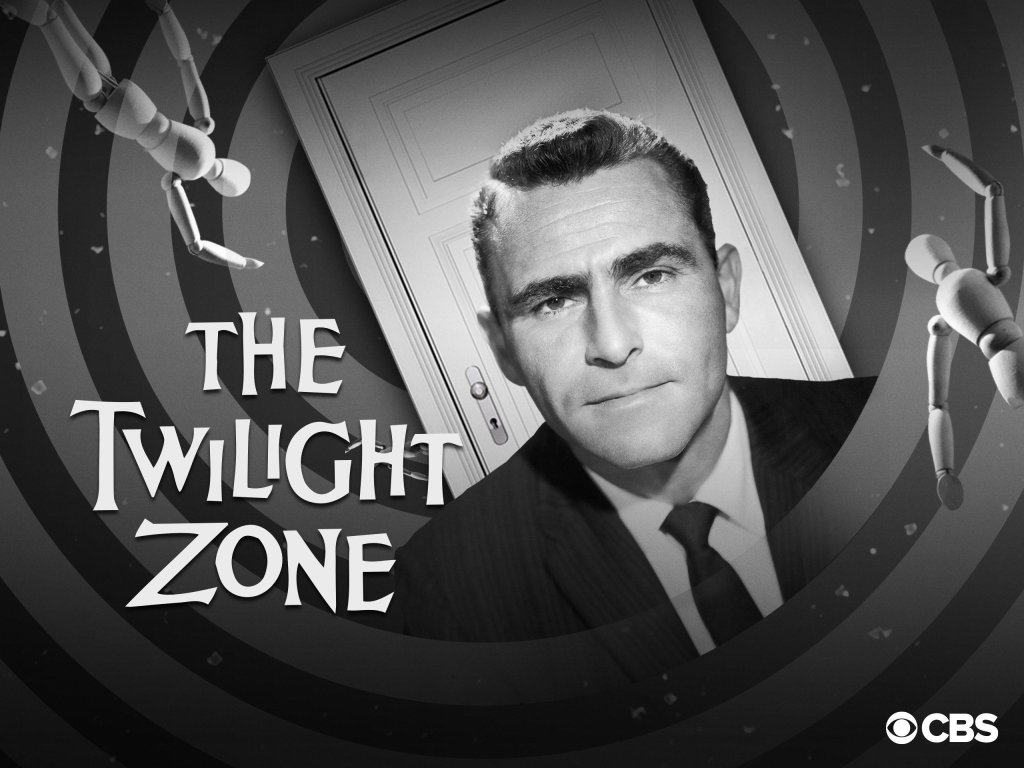
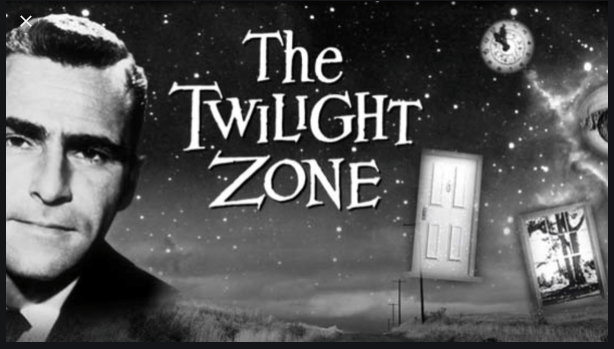
Rod found that he had multiple opportunities in the film industry. He wrote scripts for many films. Some of the include successful films like Patterns and Requiem for a Heavyweight. With all this success, Rod wanted more than just that. He wanted to be able to write about things that he had interests in like controversial matters at the time. However, the networks he worked for prohibited that, so he could only write what was pleasing to these networks. To resolve this, Serling decided to get into science fiction in order to write about these controversial topics. This soon led to the creation of The Twilight Zone in 1959 on CBS.
The Twilight Zone series was a great way for Serling to write about the controversial topics that interested him without necessarily saying what that topic was. This show was a very popular show, but ended shortly after five years in 1964. Shortly after the cancellation, Serling continued to write in a way that provided him the therapy he needed from the war. However, the network sponsors did not want this type of idea that Serling was trying to convey. Rod soon started to lose interest in writing because he felt as if he had put everything that he possibly could from his mind onto paper. Tragically around ten years later after the cancellation of The Twilight Zone, Rod Serling suffered a heart attack. He later died on June 28th, 1975.
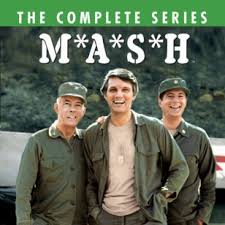
Even after his death, Rod Serling’s work laid down the foundation for the television industry. This can be seen in the 1970’s when television really began to “take off.” Famous shows like Happy Days, and All In The Family displayed the “real” lives of families in the 1970’s. Other shows like M*A*S*H were created to use humor to escape from the horror and depression of the situation, which happened to be war. Many other popular shows came as a result of these shows, some being similar to the shows listed above. With the television industry exploding, the United States Government wanted to manage when these shows aired. The government came up with the idea of “family hours,” where certain shows were on certain time slots throughout the day. Many Saturdays were spent by families gathering around the television to watch these shows, one after the other. This soon led to trouble between the networks and the government. The networks claimed that these “family hours” were a violation of the networks’ first amendment rights. This case later went to court where it was ruled that this was, in fact, a violation of the first amendment rights of the networks.
What usually comes to mind when someone mentions Television? For myself, I think of the endless commercials and advertisements that you never never seem to get a break from. It was not always like this for me and I am sure others feel the same way. This week in class we began the discussion of where and when television began. Television dates way back, but that was a time when the only ones who could afford a TV were the wealthy and there was very, very, limited options.
Advertisements and sponsors have always been an important part of television and the up keep of it. Without companies paying the Television stations to play their advertisements, the programs themselves would not be able to afford the air time, pay their workers, actors and writers. In moderation that is alright, but now there are so many advertisements that it almost completely deters me from watching it at all. Even if you decide to go the route of online streaming, the websites implant advertisements at certain points throughout your shows. Therefore even this can be frustrating to watch.
Public Television is a place you can watch with limited interruptions.










 Mass Media & American Life - Fall 19