
To this day, television has been one of the largest industries in the United States. Television has been used as a delivery device to consumers, and as a medium for connecting people to things going on around the world. This has allowed companies to show their products as advertisements through television, which became known as commercials.
One of the biggest influences during the beginning of the television era was Rod Serling. Rod was an undersized paratrooper in World War II. Throughout the war, he experienced many traumas that went on to haunt him long after the war. To cope with this, Serling got into writing. Writing for Rod was a form of therapy where he could right out all of his problems out onto paper. Rod soon developed a great talent for writing, which later opened many doors for him in the film industry.

Rod found that he had multiple opportunities in the film industry. He wrote scripts for many films. Some of the include successful films like Patterns and Requiem for a Heavyweight. With all this success, Rod wanted more than just that. He wanted to be able to write about things that he had interests in like controversial matters at the time. However, the networks he worked for prohibited that, so he could only write what was pleasing to these networks. To resolve this, Serling decided to get into science fiction in order to write about these controversial topics. This soon led to the creation of The Twilight Zone in 1959 on CBS.
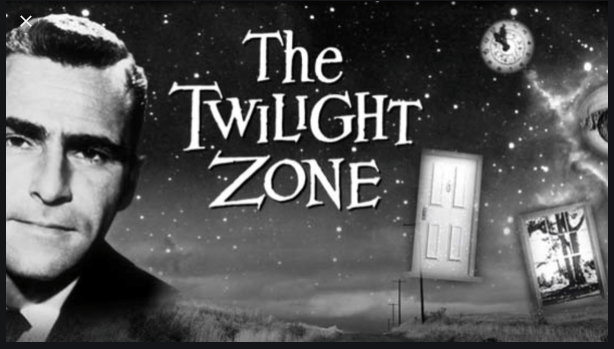
The Twilight Zone series was a great way for Serling to write about the controversial topics that interested him without necessarily saying what that topic was. This show was a very popular show, but ended shortly after five years in 1964. Shortly after the cancellation, Serling continued to write in a way that provided him the therapy he needed from the war. However, the network sponsors did not want this type of idea that Serling was trying to convey. Rod soon started to lose interest in writing because he felt as if he had put everything that he possibly could from his mind onto paper. Tragically around ten years later after the cancellation of The Twilight Zone, Rod Serling suffered a heart attack. He later died on June 28th, 1975.
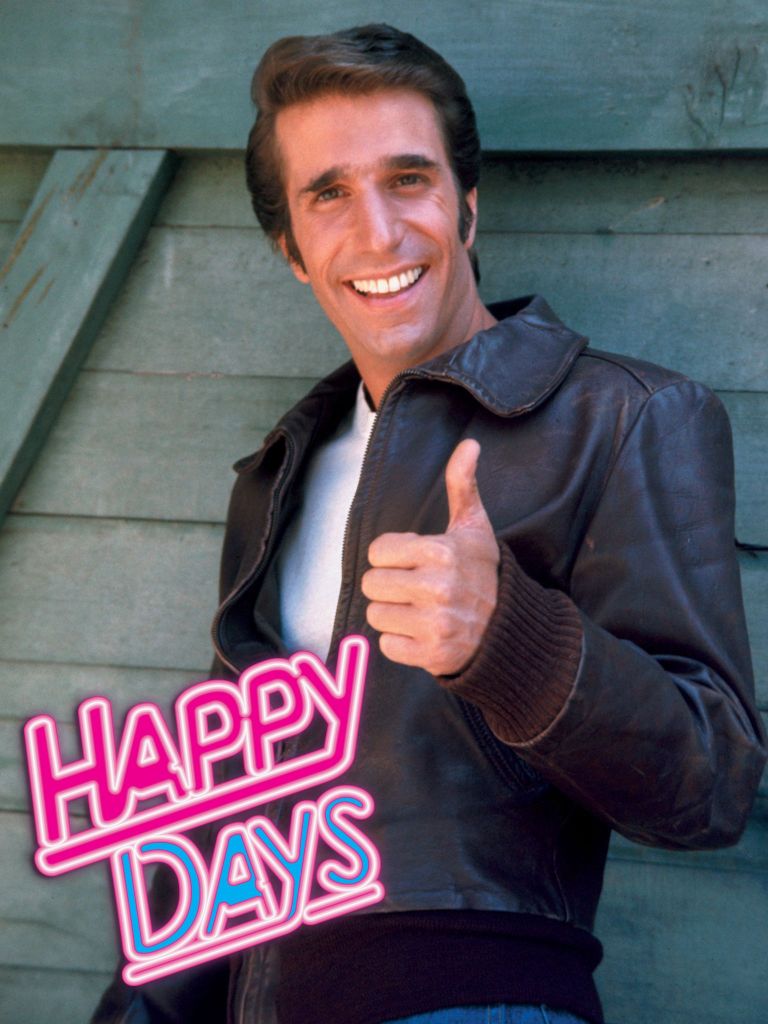
Even after his death, Rod Serling’s work laid down the foundation for the television industry. This can be seen in the 1970’s when television really began to “take off.” Famous shows like Happy Days, and All In The Family displayed the “real” lives of families in the 1970’s. Other shows like M*A*S*H were created to use humor to escape from the horror and depression of the situation, which happened to be war. Many other popular shows came as a result of these shows, some being similar to the shows listed above. With the television industry exploding, the United States Government wanted to manage when these shows aired. The government came up with the idea of “family hours,” where certain shows were on certain time slots throughout the day. Many Saturdays were spent by families gathering around the television to watch these shows, one after the other. This soon led to trouble between the networks and the government. The networks claimed that these “family hours” were a violation of the networks’ first amendment rights. This case later went to court where it was ruled that this was, in fact, a violation of the first amendment rights of the networks.

-Tyler Tanevski
 Mass Media & American Life - Fall 19