ER and Television

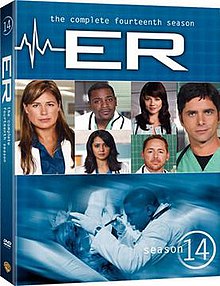
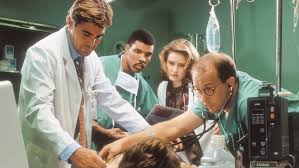
This week in class we learned a lot about television and its impact to today’s society. We all revolve around our televisions and we wouldn’t know what to do without them, shows and movies we watch are just second nature in watching them. We can thank the previous generations for the tv programs and shows we have today. With the rapid growth in popularity and viewership its the reason why it plays such a big role in our lives. Shows like ER are the reason tv has adapted to what we have now. After watching ER in class I can now respect it on how good it was and how different it was from other tv shows I have watched. They really placed an emphasis on the emergency room itself rather than the characters which is an interesting idea and concept. This way it isn’t always based on the characters but shows conflict on what could possibly happen in the emergency room. The characters don’t necessarily react to each other but they react to the emergency room which is quite fascinating to watch. The way the had to change what they were doing on the fly with accurate information. Showing how such a big an important room being contaminated by a chemical shows how much a hospital needs to run smoothly just to get by. Even in this situation the doctors and nurses were struggling to get the situation under control and needed a leader to step up. With the intern he shown to make small mistakes, but with the little advice of one of his patients he was able step up and make a difference when the protocol doctor got contaminated with the chemical. Seeing that shows how if you have a clear head it is possible to think your way through many situations. And even after that one old women died he thought that she was going to be okay, which shows that he is human so he cannot do everything right and even though he did a great job there was things he could do better. Also the way the doctors had to remain calm in such a high stakes and pressure situation. The doctor that was taking care of the little girl knew exactly what to do and forced the mother to sign the forms because he knew that without the proper treatment immediately there could have been major problems or issues. Even faced with adversity by being locked in the elevator for such a long time, the doctor did the best he could with what he was given in that situation. He was able to pull through at the very last possible moment and was able to save the little girl’s life. It is always great to see how much these doctors care for their patients and what they would do for them. This shows how doctors should be in our life and be caring in their patients and not just act like its a job to paid. 

Image result for ER

The ER, The Eighties, and Funny Ladies

At the beginning of the week we watched an episode called Pioneers of Television: Funny Ladies. Women such as Lucille Ball, Mary Tyler Moore, Betty White, Carol Burnett, Joann Rivers and many more have paved the way for women working in comedy. Some of these ladies had their own TV shows or starred on other shows. Now women that want to work in the film or television industry can because of these women. They have really changed the way some woman get to work and how they get to do the things they want.

We also watched an episode from the Eighties. In this episode it brought up the show Dallas. The show Dallas was very big and people did not think it was going to become very big. The people ended up loving the show. The biggest episode to air from the show Dallas was the episode on who shot JR. Many people were very interested and could not wait to find out, even when it was pushed off due to characters on the show protesting. They also then talked about MASH. MASH’s finale was the most watched episode to air in history on television. 123 million people watched the episode from their homes or even at watch parties at things like restaurants. The last part we watched was about the show Hillstreet Blues. Hillstreet Blues was made so it wouldn’t be like every other cop show. The directors didn’t focus on things like catching the bad guy right away and it became big because of its plots.   

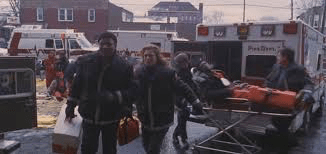
The last thing we watched Wednesday was an episode of the ER called Exodus. The opening scene was a building that had collapsed and someone was stuck under the building. The building had collapsed due to an explosion and many people got injured or covered in the waste.  Many other people were in and out of the hospital too such as a little girl who was dealing with E. coli. Eventually they had to move the whole unit to outside as the ER got contaminated with benzene. This episode really made me think about everything and how much producers put work into the things they love. They really thought of so many ways to show how an ER operates.

Funny Ladies, Horror Hosts, & The 80s

Written by : Samuel Erickson

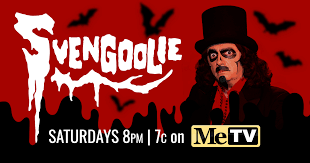
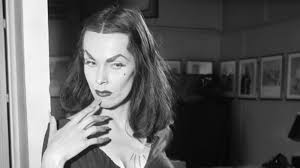
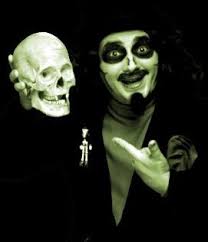
This week in class we continued the discussion and viewing of television. We kicked Monday off by watching Pioneers of Television: Funny Ladies & American Scary. The Pioneers of Television video established the growth of women in the television industry from the early 1950s to the mid 1970s. This short documentary introduced me to the fabulous careers of Betty White, Lucille Ball, Joan Rivers, Carol Burnett, and Mary Tyler Moore. Most of these women faced severe scrutiny and hardships on their journeys to fame. Lucille Ball was one of the first women that gained stardom at a time where women were “not allowed” to be funny and beautiful. Women were expected to dress and act in a manner in which was funny and laughable without being attractive. However, Lucille would have none of it. She was portrayed as a hilarious, beautiful, relatable, and likeable actress in whatever skit or scene she was involved with. She paved the way and set a standard for female actresses to follow. These women were at the forefront of comedy and pushed the boundaries previously surrounding female comedians. The other short documentary we partially watched during class was American Scary. American Scary highlighted “horror hosts” venturing into the darkness with audiences while broadcasting horror films on TV. Popular hosts know as Vampira, Dr. Creep, Elvira and Sir Graves Ghastly comforted viewers and made the lower budget films more entertaining. They applied themselves fully, discussing material from the film and visually looking scary. Horror hosts aren’t as mainstream as they once were, but Svengoolie has created a career out of it. For about 40 years he has made audiences laugh and fear Saturday nights. His unique approach of old horror films and humor continues to be a success to this very day.

Lucille Ball
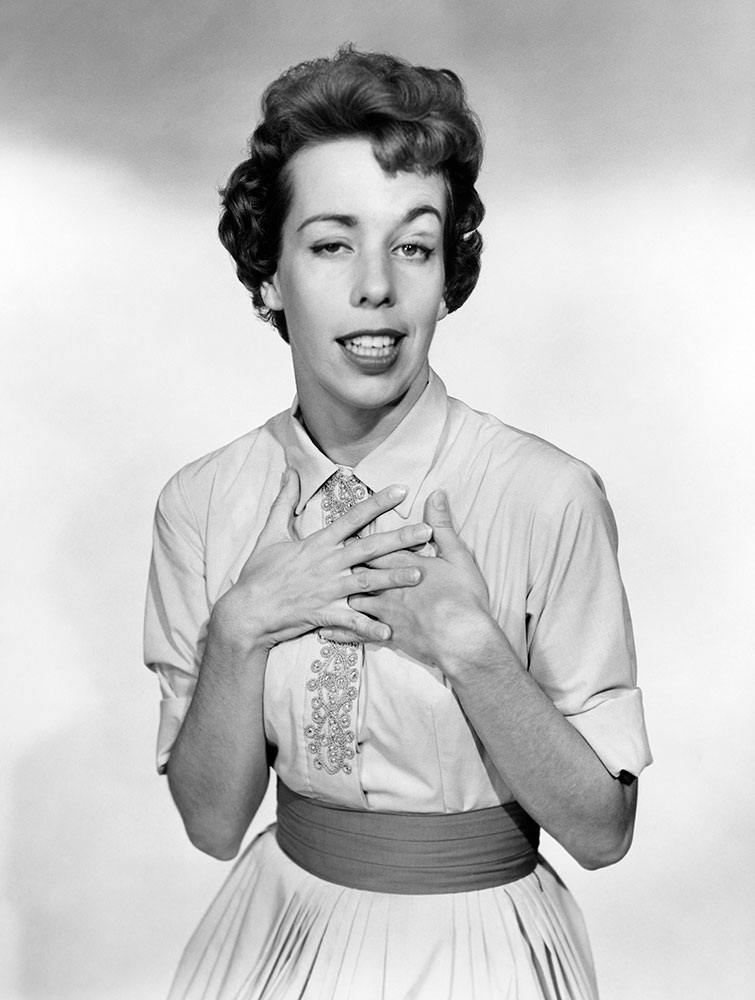
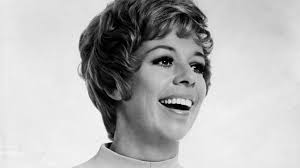
Carol Burnett
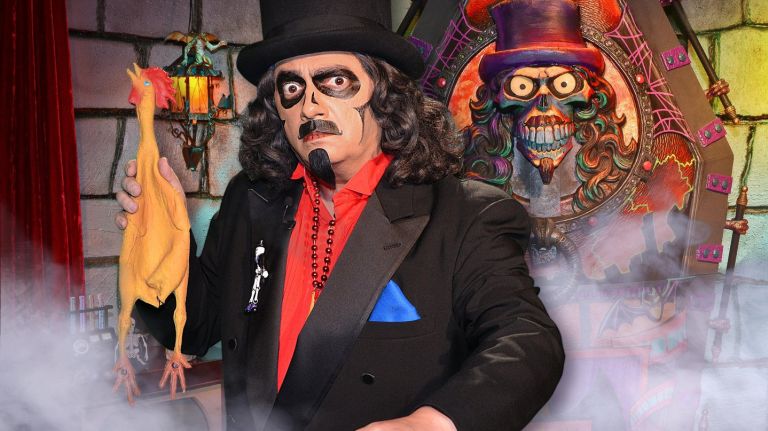
Svengoolie

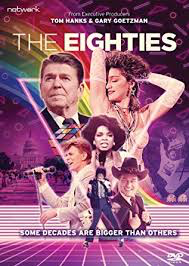
The 80s was also and important time in television. NBC, ABC, and CBS dominated the industry and controlled most of the shows broadcasted. Popular shows such as Cheers, A-Team, Knight Rider, Hill Street Blues, Magnum P.I. and The Golden Girls captured audiences with this new style of drama. The TV show Hill Street Blues revealed the realistic hardships and lifestyles of police officers. It did away with the typical “cop and robber” scene and tackled more sensitive topics. The show became a huge success with 21 nominations and 8 Emmy’s. Actors such as Tom Selleck and David Hasselhoff lauched their careers and became stars from Selleck’s role in Magnum P.I. and Hasselhoff’s in Knight Rider. The last piece of film we watched in class was an episode of er called “Exodus”. Er follows the events that transpire in an emergency room at any given moment. Throughout the episode mayhem breaks out in the hospital. A deadly toxin is brought in on one of the patients and the hospital needs to be evacuated. The doctors and nurses are able to save everyone but an elderly lady with severe complications. The show can be best described as “organized ciaos”, that keeps its viewers on the edge of their seats. There is hardly a dull moment in er and I would imagine each episode is as entertaining and exhilarating as the last.

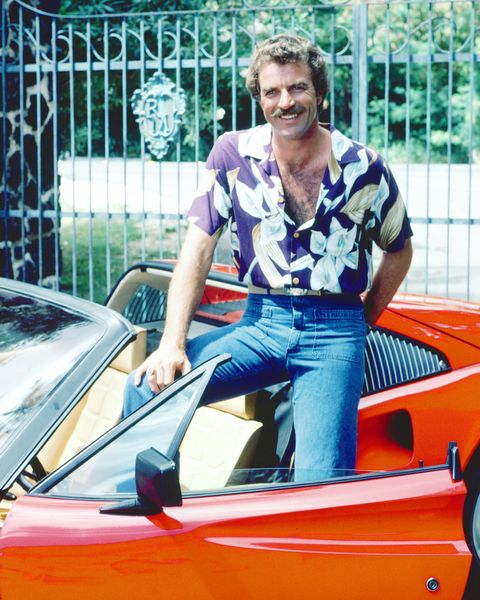
Tom Selleck in Magnum P.I.
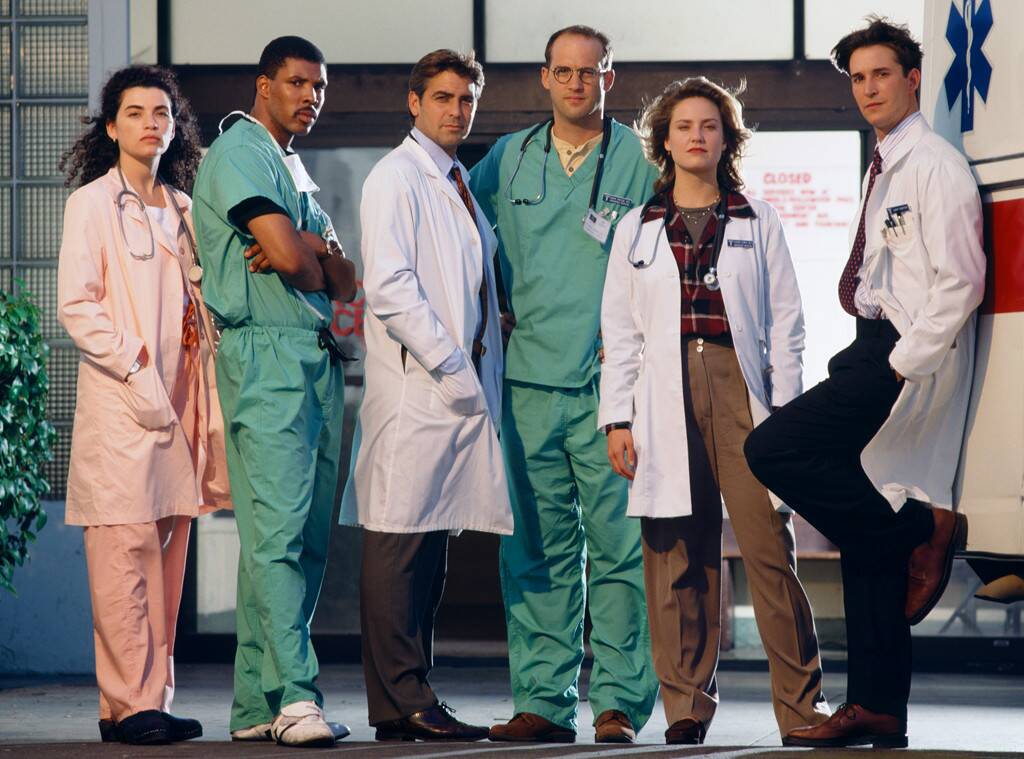
Original er cast

Another Day in the ER

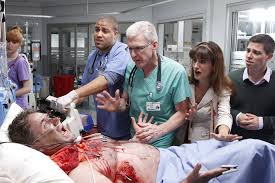
ER is one of the greatest shows of the last decade. Easily one of the greater sit-comes in recent memory, and in the the last few generations. ER has been around for a very long time, which includes 15 seasons of 331 episodes. Its outrageous to think that it has been on air for that long, although it has had great success in that time. There have been many other types of shows dealing with cops, doctors, and firemen, but none really portray a real life situation. The show can really go into any direction like a real life emergency room. Nobody’s really prepared for the antics that go on through this show, and the funny part is that it seems like the actors/characters aren’t 100% ready either. From the episode we have seen in class I was inspired to watch more, and just like that episode we saw in class it was just as crazy in other episodes. Shane and I watched a few episodes today, and its awesome to watch how crazy the show is. Also I love the fact that there are so many different actors in this show. There were a multitude of actors that I’ve seen in past shows and movies. In this scene of another episode Shane and I watched there was a crazy ambulance explosion in which injured one of their doctors in the process. the surgery to heal him seemed to help, and it looked like he was gonna be just fine, they were even joking with him about the whole procedure. Then suddenly something started growing in his neck and he went into instant surgery. In the end everything turned into a disaster and he became brain and heart dead. It was a very sad scene and his brother was there for the entire thing.

From what I’ve seen it seems like ER is an ever changing show that has a lot of rotating pieces/actors. This is great because it is a perfect type of show to be streamed. Hulu hopped on the opportunity and haven’t looked back since. ER has attracted the eyes of many viewers on its streaming service. The camera angles that also are in the show are fantastic and really convey a sense of urgency. This show has the emotional appeal to attract viewers, no wonder why 5000 viewers have already finished the series, which is wild considering how man episodes are.

Comedy to Chaos

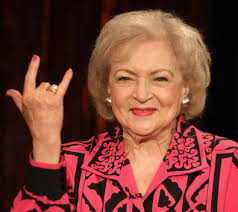
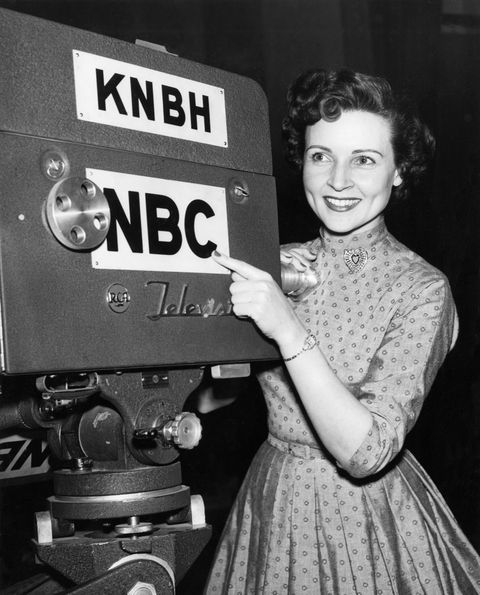
In this weeks classes, we began in the 1980s and spanned all the way to the early 2000s. We watched as sitcoms and live television both rose with glory as well as fell to the back behind a more modern style of television. Although I unfortunately missed our class on Monday, I was able to watch an episode of “Funny Ladies” and learn how that handful of women changed the way people viewed women on television as well as how people watched television in general. They went out as the leads in a business which was not used to having women front and center. After watching some things on Betty White I got very interested in how long her acting career actually was and my search taught me that she had a television career that lasted 80 years!!! Which is absolutely absurd.

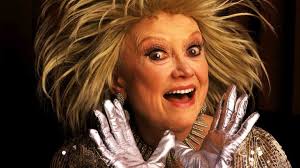
Image result for betty white funny pictures

Looking back on Wednesday, we watched an episode of the well known television show called ER which was filmed from 1994 through 2009 amassing 15 seasons for a total of 331 episodes. I am not positive as to which episode we watched, but with that being said it did not seem to be dated at all. The entire time it was playing, myself and Anthony we like “woah”. It was very intense and kept us focused and wanted to know what happened next. We actually we bored earlier today sitting on the couch so we decided to throw on another episode and once again we were captivated by the sheer amount of chaos packed into one episode.

Image result for ER
Image result for ER

I find it very amazing that ER was able to make that many episodes and still keep the viewings wanting more. Personally after 3-4 seasons of a show I watch, I tend to get a little bored. I am not sure if that is just me but ER was able to prevent this for their followers and still continue to do so. This weeks topics covered were all very different from one another but in the end they all are part of the foundation that has brought television to what we know it as today. It takes all kinds through trail and error to create a product worth keeping around

-SHANE WEBER

Svengoolie, Funny Ladies and 80’s Sitcoms

I had personally never heard of Svengoolie or horror movie hosts until this past week (Sorry Dr. Schlegel!). However, I can relate to staying up late and watching scary movies with my family or any movie genre really. Svengoolie is a hosted horror movie show. The show is a long-running local program in the Chicago area and in recent years expanded nationally, airing Saturday nights on MeTV. When I was younger, we would have a movie night every week and my brother and I would get to rearrange the living room and lay down a bunch of blankets and pillows on the couch or the ground with popcorn and snacks and we would all sit together and watch something, and it made us a lot closer and brought us together more.

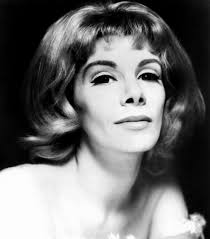
Comedy crosses boundaries, and in the 1950s, ’60s and ’70s, many female entertainers struggled just to enter the male-dominated world of stand-up and television. Acting dumb and playing down their looks were some of the strategies these funny ladies employed to be taken seriously. The Pioneers of Television’s Funny Ladies are, Carol Burnett, Joan Rivers, Mary Tyler Moore, Mary Gibbs, Lucile Ball, Betty White and Phyllis Diller. These women paved the way for comedy and acting for women who we all know and love today.

Carrol Burnett’s moment of fame came when she sarcastically sung “I love John Foster Dulles” to mock girls drooling over Elvis.

Joan Rivers got into comedy and earned a gig working for six dollars a night. In her comedy, Joan brought up “things a lady should never talk about”. She would say the things that everyone is thinking but would not dare say out loud.

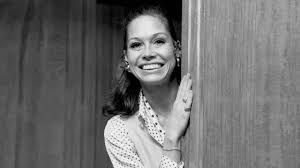
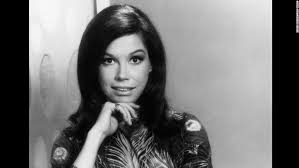
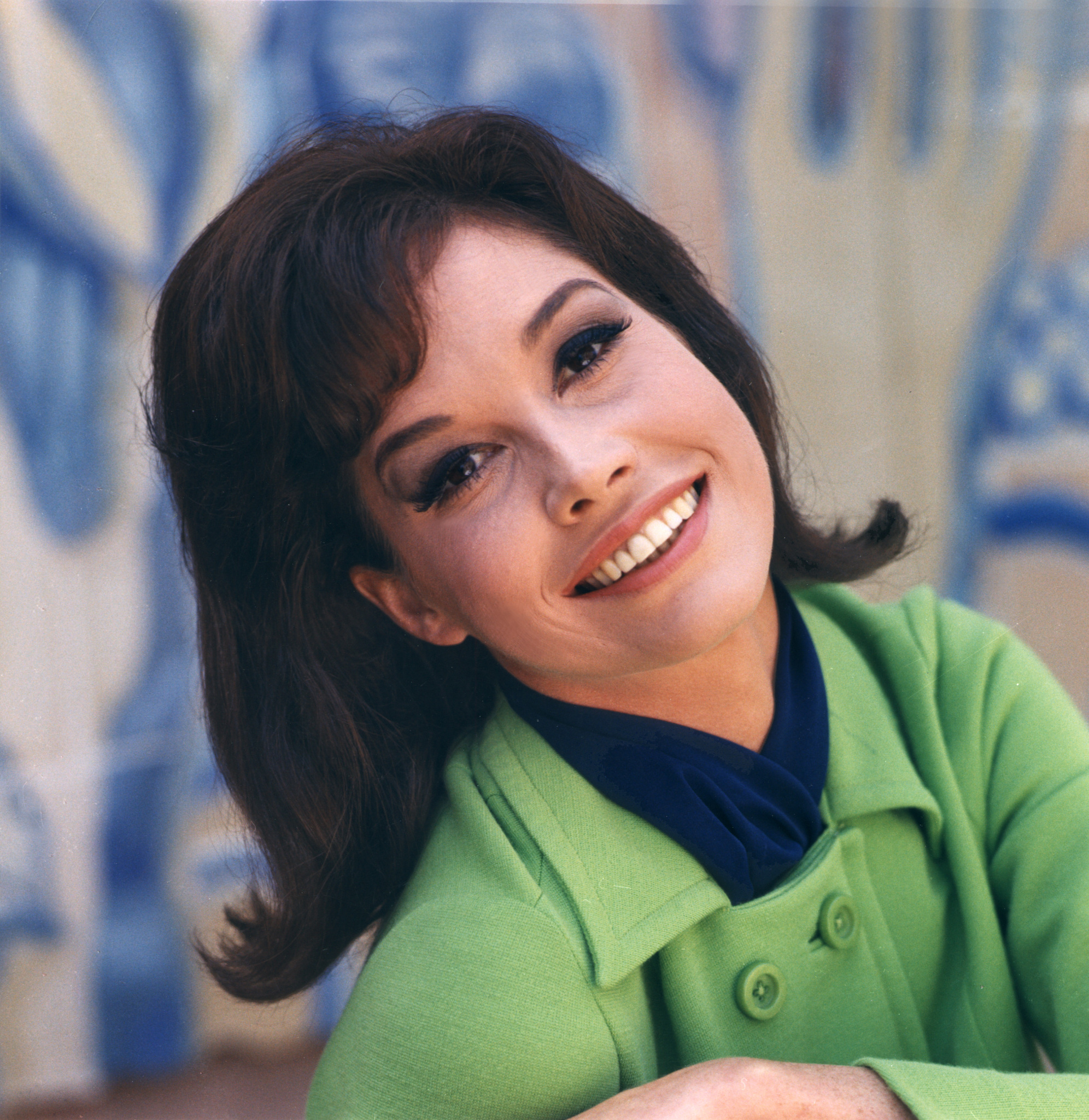
Mary Tyler Moore or “America’s Sweetheart” started out dancing and had no problems getting supporting actress roles after that because of her good looks, and she got her fame when she landed the Dick Van Dyke show.

Mary Gibbs was on the Ed Sullivan Show and then The Jefferson’s and eventually 227.

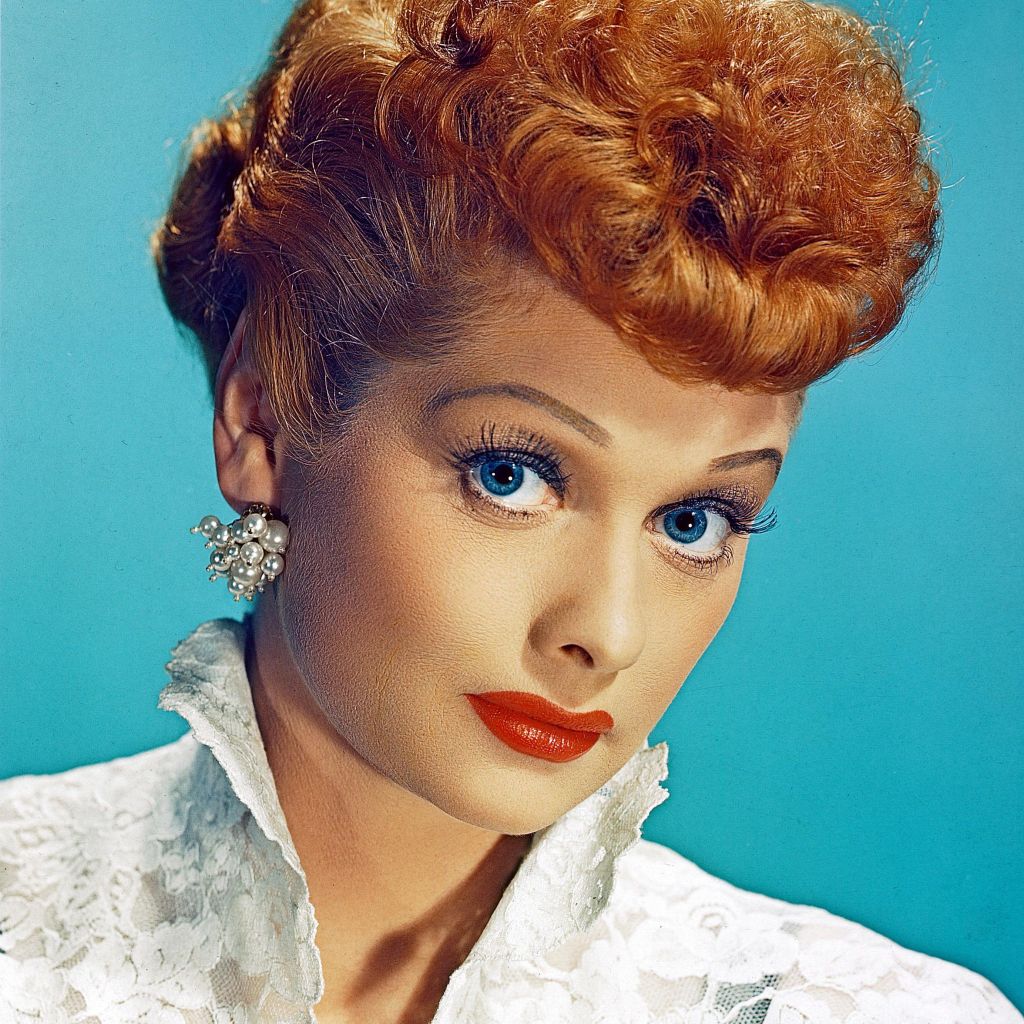
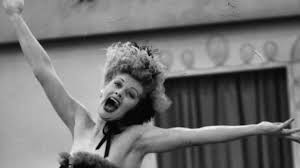
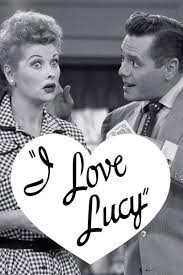
The I love Lucy, show starring Lucille Ballwon five Emmys during its six-year run from 1951- 1957. As silly and scheming as Lucy was and as bossy as Ricky could be, there was heart underneath their incessant bickering. The entertainers were married for 20 years. Ball, nearly 40 when the sitcom premiered, became one of America’s most beloved funny ladies

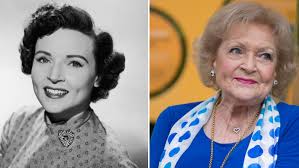
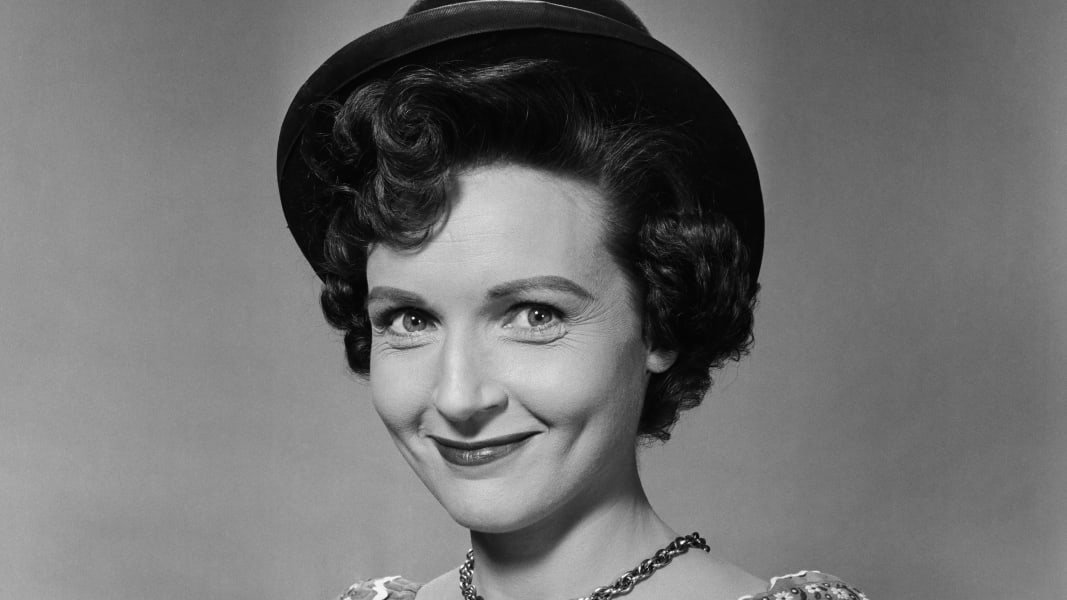
Betty White
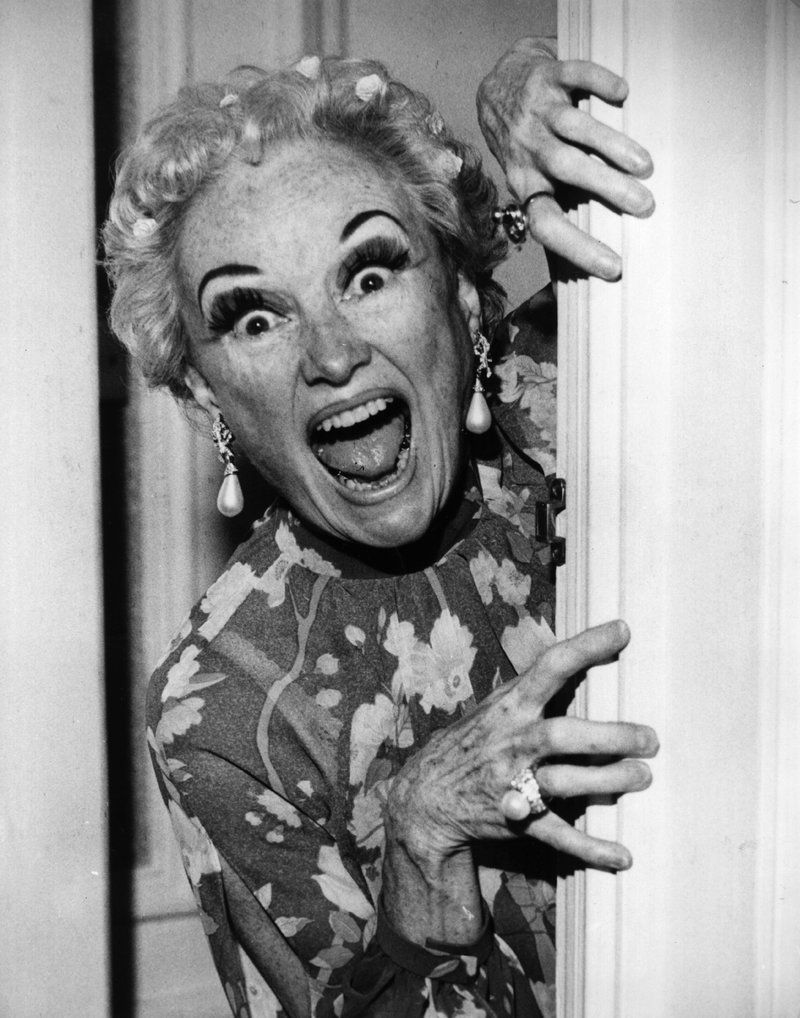
Phyllis Diller

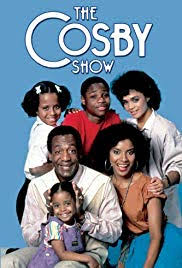
The 80’s sitcoms and tv show series that were hour long events brought families, friends, and even strangers closer than ever when it came to be air time for shows including, M.A.S.H, Cosby Show, Cheer’s, Hill St. Blues, and St Elsewhere. Both Hill St. Blues, and St. Elsewhere paved the way for E.R, of of the greatest medical shows of all time.

The Funny Ladies and the Death of the Sitcoms in the 80s

Sitcoms in the 70s were huge, along with live tv. There were a lot of shows staring some pretty funny female leads. Some of these shows were the Mary Taylor Moore Show, I Love Lucy, Maude. Who stars in these shows may you ask? well let me tell you. Mary Taylor Moore, Betty White, Valerie Harper, Lucile Ball, Marcia Rodd. Some other huge female leads were Joan Rivers and Phyllus Taylor. All these women were very popular, most of them receiving their own Sitcoms, they all played a large role in the history of tv for women. All of these women were comedians with some of them being controversial for their time. Joan Rivers was the first woman to be on tv pregnant, which people couldn’t believe. Rivers also would say things everyone was thinking but no one had the guts to say. Closer to the end of the 70s and into the 80s, tv was still huge at the time even for people in England. One of the big questions was who shot JR? This had so many people wondering who shot him and this brought everyone together. MASH as well was another huge show for the time that ended around the 80s. A hundred twenty three million people tuned into the final episode. These two shows meant the last call for the pre-cable world. Then in the 80s Sitcoms died.


This video shows that Betty White is a legend!

Even though Sitcoms died, that doesn’t mean that there wasn’t some Sitcoms that were some big hits. Like the Cosby’s show in 1984, or Cheers. Cheers was big for the time as well because this show was good at establishing a community. You knew everyone after the first episode. Now, these shows were popular, but not as popular as a show called Hill Street Blues. This show was a changing point in the history of tv. This show had a mood to it and it showed that cops too have personal lives. This show became so popular that it won eight emmy awards and influenced everything that came after it. Like a show called Saint Elsewhere which built its own rules. This show mirrored society and was not afraid to bring up harsh topics like, someone who’s diagnosed with aids, or one of their doctors getting raped in prison. These two shows really paved the way for the show ER. ER and Saint Elsewhere are similar in the fact the they both take place in a hospital. The main difference is that Saint Elsewhere focused more on the personal lives of the characters in the show. In ER the hospital was a protagonist in the with the characters leaving for seasons at a time. ER was a very popular show running for years with many people loving it. This show paved the way for more shows to come after it aired.

Tv for people at this time was huge. To them it was like a movie theater in their house and at the time motion pictures was losing money because of it. This introduced things like the tv dinner trey and people usually stayed in on Saturdays to watch shows. It’s kind of crazy to think how much tv has changed over the years.

Funny women take the stage and horror hosts haunt the night

Women have taken the stage in a way previously unexpected. Women are the new face of comedy and nothing can really stop them. Becoming hit stars women ruled the 1980’s as the funniest thing on television. Betty White, Carol Burnett, Mary Tyler Moore, and Joan Rivers were some of the largest household names for an entire era. These are only some of the women who paved the road for women as not only actors and comedians in the television industry, in more ways than one. At first in order to be a funny women before them we learned that you had to be attractive, and larger set. These women were none of these, considered extremely beautiful they broke almost all of the rules that were set before, as we learned this week in class. These rules tried to keep women as lesser roles, I think part of the reason why they were so successful was because they broke the rules, it was exciting, new, something never done before: this really grabs people’s attention the fact that they were breaking so many of TV laws of the time.

Off the the horror show now.

Funny women were not the only thing on the rage in this era.  Night time horror hosts were also on the rise. Every large city or area had a host, who would be one thing people tried to stay up to see. These hosts were their guide to the horror movies they watched so people wouldn’t feel alone watching them. It was a greater means of filling up time with original content instead of playing the movies they were sold from Hollywood. Who did so to keep up with the TV explosion that happened. They were desperate for a way to keep making money so one way to do this was to sell a bunch of movies to a TV station who would have the rights to play them for their viewers. Many of the movies would go to one station were the same. Many of the Hostess and Hostess would have no idea what their counterparts only a few cities a few miles away were doing, this lead up to many of the shows having a similar feel accedently.  This hostess phase has mostly faded off I believe. However, there are a few left channel’s that come to my mind other then the news station is Fxx, Discovery channel, each show kind of has its own host, and adult swim each still have a host that kind goes through the show/ movie with the watcher. However, this is a fraction of what they use to get.                         

Women Pioneers And The Growth Of TV In The Eighties

After the emergence of the television industry in the 1970’s, a new road was being paved for this industry in the 1980’s. Women were starting to get more involved with acting roles on television. People like Betty White, Carol Burnett, Mary Tyler Moore, and Joan Rivers were known as women pioneers in the television industry. Betty White was and still is a long time comedian in the industry. She happened to be one of the first women to produce a national TV show during that time. Carol Burnett was another one of the funny ladies who became a “household name” in a week after she sang a song about the “boring” United States Secretary of State at the time. Mary Tyler Moore had a slow start to here career by slowly gaining experience through multiple small acting jobs. She then had a breakthrough in here career when she played a big part on the Dick Van Dyke Show. Through this show, she became known as “America’s Sweetheart.” Another person to mention is Joan Rivers. She was another comedian during this time who started out doing comedy in Chicago. She then progressed in here career by getting the chance to perform in Los Angeles. Her career progressed slow due to the taboo-like topics she talked about. For example, Rivers had jokes about pregnancy that she would talk about even when she was pregnant. Her career took off when Johnny Carson gave her a chance on the Tonight Show later on in her career.

Image result for betty white
Betty White
Image result for carol burnett
Carol Burnett
Image result for mary tyler moore
Mary Tyler Moore
Image result for joan rivers
Joan Rivers

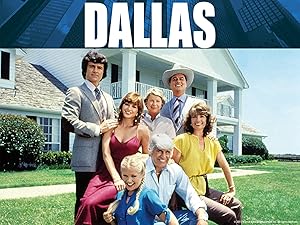
During this pioneer era, big shows began to take air. It all started with the prime-time show Dallas. Millions of people watched this show because there was a sort of emotional connection that could be felt with the characters in the show. It led to the famous saying “who shot J.R.?” That saying came from an episode where J.R. was mysteriously shot, and no one knew who had done it.

Image result for dallas show

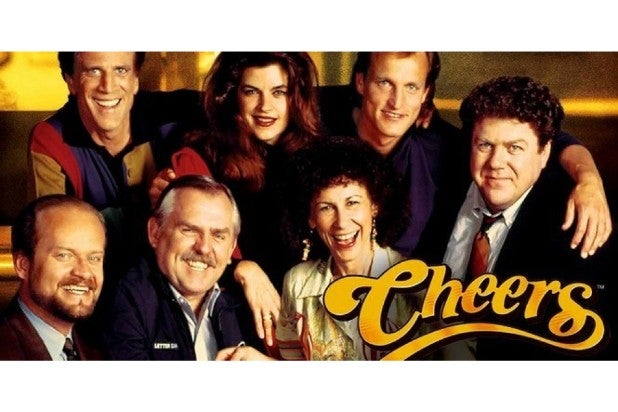
From there, the cable era soon began. People now had more choices on what they wanted to watch. Because of this, there were no longer any sitcoms that sat in the top ten list of shows to watch. A new show had risen after this. That show was Cheers. It happened to be an American sitcom. This show became one of the most popular shows of its time because like Dallas, the show Cheers developed a community that people could identify with and connect with.

Image result for cheers

Another popular show had made a name for itself in the 1980’s. That show was Hillstreet Blues. This show put a different twist on things because it changed the television industry based on the mood of the show. Hillstreet Blues presented the personal lives of cops during the time, and how that impacted their behaviors. This then paved the way for another show, which was called St. Elsewhere. The purpose of the show was to show the day to day realities of working at a big hospital, which “stretched the medium” of television. These shows set up the foundation for a very popular show called ER, which made its debut in 1994. It was one of the most popular shows of its time with a total of 331 episodes, which spanned over 15 seasons. This show focused on the personal and professional crises of the doctors in the emergency room at County General Hospital in Chicago.

Image result for er 1994

-Tyler Tanevski

Women Pioneers, E.R., and The Good Old 80’s

For the this week of television, we visited a few different shows and genres. We looked at the pre-cable era, the transition of it’s ending, and how cable television began. The dawn of the Funny Ladies, shows like E.R, Dallas, and M.A.S.H., they all literally moved the hearts of a huge mass of America. For M.A.S.H.’s season finale to hit 123 million viewers in an era where not everybody had televisions the way we do now is insane, so insane that the record still holds today. Which is an interesting point, showing that not many shows have been able to pull off a successful ending, perhaps usually due to the fact that it’s ending because of bad tensions or actors leaving. These factors don’t usually translate to good production on the screen, especially with something as sensitive as a final episode to a beloved show. So kudos to M.A.S.H. for pulling that off!

The Funny Ladies, names like Carol Burnett, Betty White, Mary Tyler Moore, and Lucille Ball all inspired a generation of women to push boundaries and assert their way into comedy, becoming pioneers for things they couldn’t have even imagined. In an era where gender roles were often exaggerated, these ladies gave women everywhere a sense of identity and a charming character they could still relate to because they were goofy like the everyday person. That’s usually who my favorite actors are, ones that portray what people actually are like and not some perfect flawless movie star.

My favorite part of the week was definitely watching the E.R. episode. Reading the article before class, I read how people said it was applicable to today and fast paced, but that was an understatement. I’m not usually one to watch television or shows, but I did find myself at the end of my seat when scenes got intense, like the little girl running out of oxygen in the broken elevator, or the man stuck under the rubble. It did however have a slight, cheesy old school ending of “everything worked out perfect in the end” (Other than the brief moment of sadness when the old lady died). The camera movement was just excellent, something I didn’t even notice until late in the episode because I was so drawn into the story line. When I had to use the bathroom I had to at least make sure I left on a commercial so I wouldn’t miss anything big. I think the characters were very well rolled and the cast executes just as good. While I don’t have much plans to watch more television, E.R. is definitely on my list for something to turn on if I do choose to watch something.