Advancements in Motion Pictures

Motion pictures have been a very important part of people’s lives for many centuries. Dating back to the early 1900’s, motion pictures have evolved into a form of enjoyment for many families and individuals across the globe. Thomas Edison ultimately began the production of motion pictures in 1888. Edison and his assistant William Dickson created the first device that could record moving pictures. These motion pictures were only a few seconds long and did not contain sound. After Edison’s invention, the film and motion pictures industry took off. Fast forward some years, the motion pictures industry was booming in Hollywood. Hollywood was an ideal location for the industry due to land being sold for so cheap. Most of the people moving to Hollywood that were part of the industry were looking to get away from their parent companies and make a name for themselves. During this time, there were five major studios producing movies, known as the “Big Five”. These companies were succeeding due to the way that they ran their business. They produced, directed and premiered their movies on their own. Not having to rely on another company to help with a movie made them extremely successful. Hollywood became home to the industry and flourished while the motion pictures industry would continue to grow. 
            While the industry was growing, there were some setbacks that studios had to face. The most major issue that they faced was the supreme courts Paramount Decree. This was a nationwide issue in 1948. The “Big Five” companies were seen as a monopoly and the supreme court passed an antitrust act to decrease their power. This was done in order to help smaller, newer studios. Another issue they faced was the continuing growth of television. Watching television became more of a popular past time for Americans, rather than going to the movie theater. With these setbacks, studios had to work harder to survive and make a profit. 

            The film we watched in class called “This Film is Not Yet Rated” made me see how much actually goes into the rating of a movie. The MPAA works to rate each movie that is produced. I found it very interesting to see that the MPAA is so secretive and tries very hard to not reveal their identity. In the movie, the undercover investigators work very hard to figure out who is a part of the MPAA. It was surprising to see that the members were all very different and came from different backgrounds. Another part I found interesting was how many movies are rated as NC-17. The movies that were rated NC-17 were primarily for sex scenes instead of violence which really surprised me. I wouldn’t say that the MPAA is necessarily fair because it is made of a group of individuals that don’t represent the country as a whole. The MPAA seemed pretty stuck in their ways and that they were not extremely willing to change their mind once a decision was made. 
This blog post has not been rated yet

This week we viewed a very interesting documentary about the MPAA rating system of movies. To begin with I was very interested in the video because I’ve always wondered how movies were actually rated. As the documentary went on I realized the actual ratings were a bit skewed based on certain raters opinions. This documentary isn’t your ordinary documentary and that’s why I thought it was very intriguing. The producers completely put the Motion Picture Association of America on blast with this movie. They really went out of they’re way to expose the rating process of movies. They thoroughly explain why it isn’t fair that certain ratings are given to movies for certain scenes. In my mind I thought R and NC-17 movies were given their ratings based on incredible violence or minor sex scenes throughout the movie. After watching this I have realized that I was wrong, instead they are given these ratings strictly for the reason of sex scenes that the raters thought were a “bit too edgy for them.” Although certain sex scenes should be given a just rating based on the actual sex, I think they were way too invested in that and lost focus on the larger picture of the movie. These ratings would completely hurt the entire movie making process. These scenes would have to be edited in order to meet their view of an R or PG-13 movie, and their view is definitely a bit skewed. Any gay scenes in movies were instantly hit with an R rating or higher, but heterosexual content would rated much lower. This is because the raters were definitely frightened of the gay scenes and instantly slandered. The film making framework in this nation is represented by a strange board made by the significant film studios over 35 years ago. The MPAA board has worked as a sort of “black box” where the movie goes in one end and out comes a rating. Its unfair in a lot of situations because if a movie is unjustly given an NC-17 rating the picture can no longer be released. This ruins the entire movie making process. The reason behind the rating of certain sex scenes fear was that it would give the younger audience the wrong ideas and impressions. This rating is based off of what the parents would want they’re kids watching, and this is wrong. Its not just about the kids viewing the movie its about everyone else. I feel the rules of the ratings should be enhanced to focus more on actual violence rather than sex scenes.

MPAA: Crucial to Cinema success

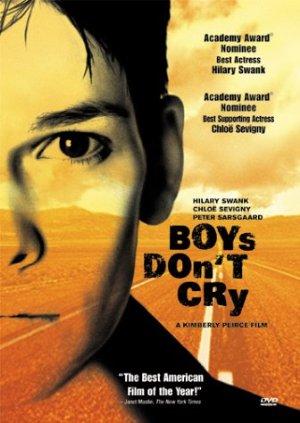
This week in Comm we watched a very interesting documentary about the MPAA and how they basically screw over multiple directors yearly. The producer of “This Film Is Not Yet Rated”, is Kirby Dick. He interviewed many directors and set out to find a private investigator to solve the mystery: Who is in the MPAA and why is it such a big deal that the raters are kept private? The doc was to get to the bottom of the fine line between R and NC17 ratings. Directors were outraged by their films receiving NC17 ratings due to the sexual content in which it contained. For example, in the movie “Boys Don’t Cry” it received a NC17 rating due to a scene that included rape. The director was upset because there are plenty of other movies that contain content like this, but the director felt it was because of the transgender protagonist. A rating of NC17 can completely break a director, because if it is rated NC17, people may avoid seeing it because of disturbing rating. It is often fixed by the director/producers cutting scenes or making them of less quality in order to receive a better rating, which often makes the story/plot weaker.

The ladies that Kirby Dick hired were funny and took the matters quite personally. They often had to spy and even started going to the raters homes once they realized who the raters were. However, the directors were angry because a lot of the content in the movies which received a poor rating, they felt was comparable to movies that had an R rating. The movie with Maria Bello, where it received a NC17 rating because it showed a little too much, was not that big of a deal in her eyes. She felt offended, the movie was not portraying lust, it was the beauty of the love that she and the man in the scene felt. Later on in the doc, it was noted that the MPAA is more concerned about sex rather than violence, where in Europe it is the complete opposite.

Kirby Dick eventually submitted this documentary to the MPAA for rating. He received an NC17 rating due to strong and graphic sexual content. He decided that he would appeal, which led to a strange winding road of mystery and secrets as to who was on the board and what not. My personal opinion is that it is unfair that there is a small group of people who rate movies that decide who can view or not view. a man in the doc mentioned that there basically 2-3 companies who determine what can be seen by the US, controlling all media across the country. That does not seem fair. I feel bad for the directors who were black balled by the MPAA and maybe even had their careers ruined by them, because of a graphically depicted scene that was deemed “inappropriate”.

Classic Hollywood and The MPAA

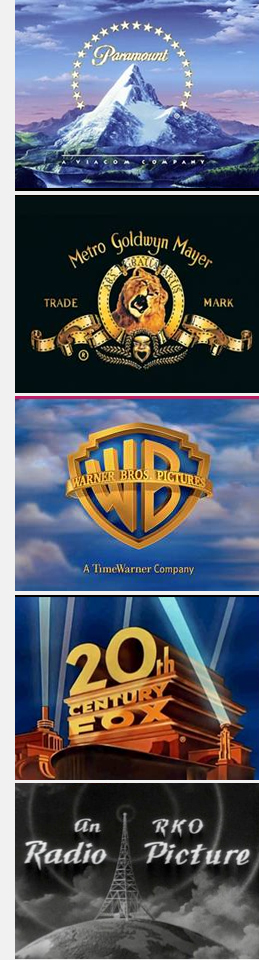
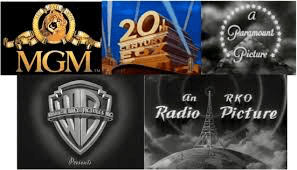
Hollywood in the 1920’s was controlled and run by five major and three major minor production studios. Metro-Goldwyn-Mayer Studios also known as MGM, Paramount Picture Corporation, Warner Brothers Entertainment, Twentieth Century Fox Film Corporation and RKO Radio Pictures were the five major studios. The three major minor studios were Universal Studios Hollywood, Columbia Pictures Industries and United Artists Corporation. The five major companies focused primarily on the production and distribution of feature films while the three minor companies produced B films or B movies. B films were low-budget films that were produced slowly and had little resources and usually unknown actors. The five major companies were vertically integrated and controlled all means of production, distribution and viewing of their product.This allowed the large major companies to control all activities in house and to not rely on any factors coming from outside sources. Major studios also controlled the majority of theaters preventing the major minor companies of showing their production with the consent of the major companies.

The Major 5
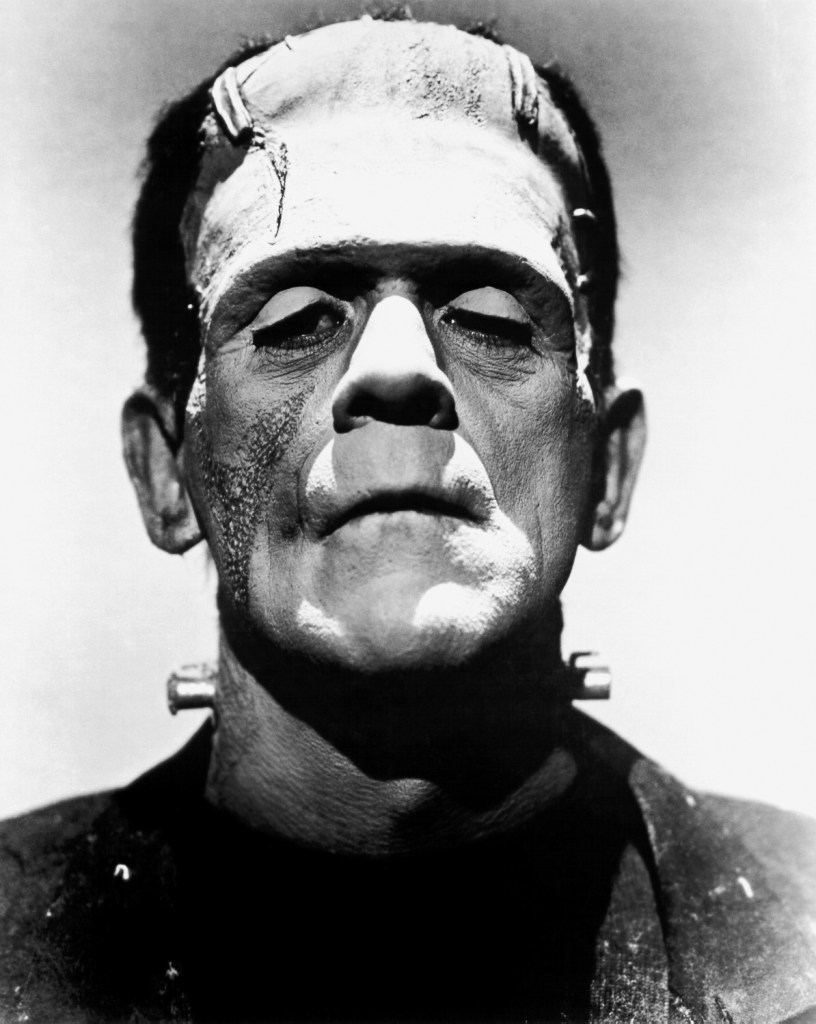
Boris Karloff starred in The Monster of Frankenstein in 1920.

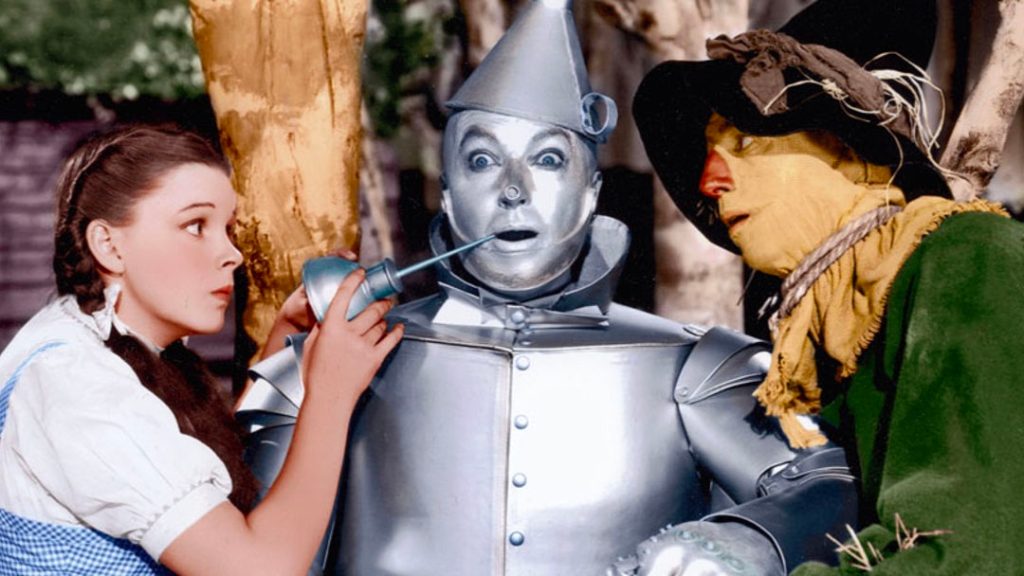
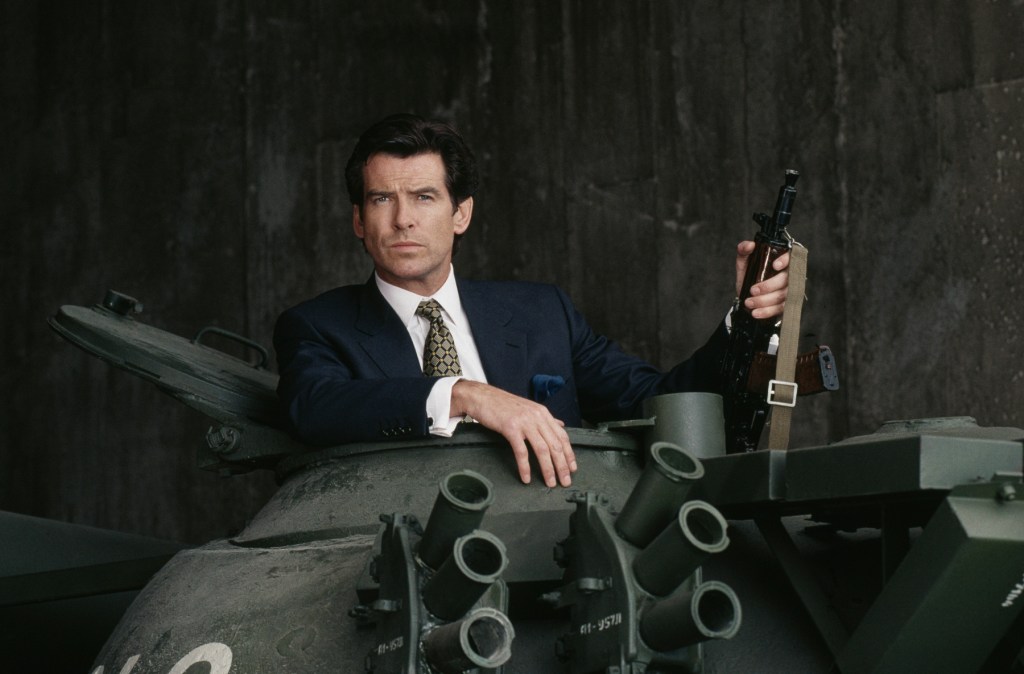
One of the first viewings we watched in class this week was from a documentary called When The Lion Roars. When The Lion Roars presents the rise and fall of Metro-Goldwyn-Mayer. MGM was founded in 1924 by Louis B. Mayer and had one of the world’s oldest film studios. MGM productions were mostly known for their glitz or glamor and epic or awing movie scenes. Several of their films were extremely successful and became huge sources of revenue. The company produced movies such as The Wizard of Oz, The Grand Hotel, Camille, and James Bond series. Many of these productions took on a life on their own and are still watched to this very date.

A classic moment of Dorthy, the Tin Man, and the Scarecrow in The Wizard Of Oz
Irish actor Pierce Brosnan poses in the hatch of a Russian T55 Main Battle Tank holding a Kalashnikov automatic rifle, in the James Bond film GoldenEye, 1995.

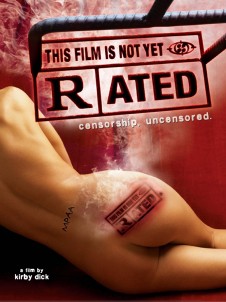
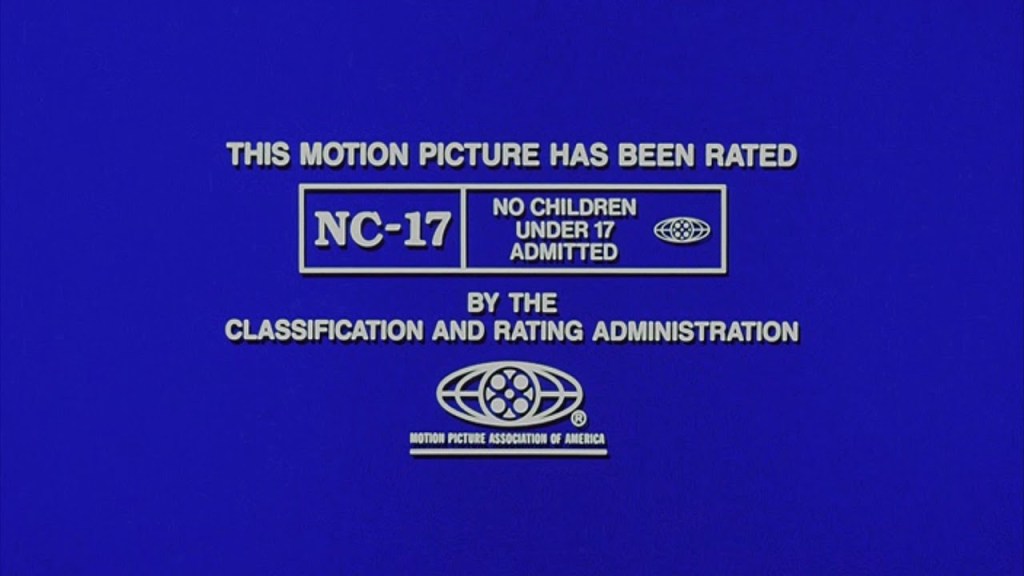
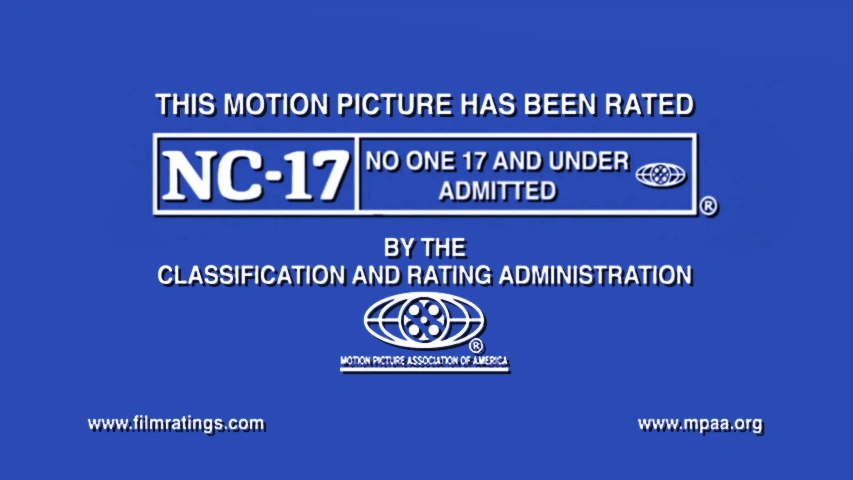
The last screening I saw this week was This Film is Not Yet Rated. This documentary is an American film about the Motion Picture Association of America’s rating system and the effect on American Culture. The MPAA critics are completely confidential and are believed to be made up average American parents that are “not gods but not fools”. The MPAA has received harsh criticism for giving certain films a “NC-17” rating while letting other similar films be shown without question. This means a movie or film rating indicating that the movie contains adult content and should not be seen by people under the age of 17. We don’t witness the entire investigation, however we view long enough to understand the confusion of some film producers and the shadiness of the MPAA. Several of the MPAA’s tactics are intended to silence employees and any specific feedback on a “NC-17” decision or rating. The MPAA may need to become more open with it’s investigations and more clear with their direction and involvement of their system.

Brand or label of the MPAA
Boys Don’t Cry is one of many movies that initially received an “NC-17” rating

-Samuel Erickson

Movies being Rated

America has come a very long way when it has came to topics that involve sex compares to other countries around the world. In America, sex wasn’t very much talked about and a lot of people were very quiet about it throughout the 20th century. In 2019, when it has came down to sex and nudity, it has became little bit more laid back than it was back then. In movies today, they could be rated for a lot of things like drugs, cursing, violence, gore and blood. A movie could be rated NC-17 if it contains a lot of sex and violence. A movie can be rated PG-13 if there is some violence but not a lot of blood. These ratings are very key because it can help limit the movie to a specific audience like teenagers. If you wanted to make movie that was PG-13, then it would be available to at least a lot of people. The only problem is that if you are under the age of 13, you would need a parent or guardian to accompany you to the movie. If the movie that you see is rated R, you would have to bring someone over the age of 18 to actually see the movie if you are under 18. NC-17 means that only the adults can go see the movie and no one else can actually see it. In other places around the globe, when it comes to that, it is very different and not the same. If a movie gets a rated R or a NC-17, then usually it would mean that there is a lot of violence instead of sex. The main reasons why movies are rated like this is because many people don’t want to receive letters or any calls, getting yelled at over the content of the movie that they put out. I think people should be able to watch what they want and not have to get slack about why they watch it.

Hollywood Used To Be Great, and the MPAA is Perverted

Hollywood was once an unlimited creative outlet that was an emotional crutch for the United States. The peak of Hollywood was during the 1930’s and 1940’s when the country faced tough times through The Great Depression, World War II, and the New Deal. However, the industry was forever changed after the Paramount Decision of 1948.

Image result for hollywood 30's fashion

 This was essentially an antitrust move by the government to create competition in the industry. Previously, the major five studios in the industry: MGM, Fox, Paramount, RKO, and Warner Brothers were vertically integrated establishments. Each studio had its own departments in charge of production, distribution, and exhibition. The Paramount Decision broke this integrated system by forcing the five major studios to sell their theater chains. This meant that studios now had to compete to book theatres for their films. Ultimately, this decision crushed the monopolies of the movie industry. 

By this time, however, television was the new flourishing form of entertainment. This was based on the suburb migration and the idea that conformity and consumerism went hand in hand. People replaced going to the movies watching Television in the comfort of their own homes. 

Image result for invention of tv ads

Image result for and now for something completely different

The rating system that has been put forth by the Motion Pictures Association of America (MPAA) is ultimately corrupt, conservative, and sexist. The screening that we viewed in class this week, This Film is Not Yet Rated, sought to expose the MPAA rating board members. The association is the only rating system in the world that keeps its members anonymous and out of the public eye. During the filming of the documentary, this was the only rating system offered to the public. If a film was to get an NC-17 rating by the board, it limited to access to advertising and theater bookings a film could obtain. 

Image result for mpaa ratings

The worst part about the MPAA rating system is that they claim to rate movies based on the idea that children need to be protected from certain content so that they do not become deranged. However, they have absolutely no child experts, researchers, or psychiatrists on the board; only ordinary people. Ah yes, this is obviously the logical route to take. You know what, the next time I have a medical emergency I will completely avoid the hospital and go to an ordinary person that I happen to find on Craig’s List so they can treat my symptoms. The logic is infallible. 

What is extremely cruel about this system is they mainly based rating violations on sexual acts. They bring us all down to a level of perversion and childish behavior when European rating systems are more strict on violence being shown in films. A film is four times more likely to get an NC-17 rating from a sex scene than from a shooting spree. It is especially discriminatory when films are more likely to get the deadly rating from a homosexual sex scene or a scene that shows female pleasure, rather than a heterosexual sex scene or male orgasms. 

Overall, the MPAA is completely absurd, limits what directors can put in their own movies, and impacts our society by shaming certain groups for experiencing pleasure.


Motion Picture Industry

Motion Picture has changed greatly over time. Thomas Edison shared his short film with the public called “The Kiss”. This was one of the first films ever shown to the public in 1896. It was produced at the first US movie studio called the Edison Studios. It was extremely short and in black and white.

Then there was the “classical era” (1920’s-1940’s) this is when there was an integration between production, distribution, and exhibition of films. During this time there were major film studios referred to as the “Big Five.” MGM, Fox, Paramount, RKO, and Warner Bros Studios were running the game. These studios still produce films and are widely known in Hollywood. Almost all films were being produced through these studios and they brought in the audiences. As time passed these studios flourished during WW2 and The Depression as they held monopolies in the film industry. During the 1960’s and the 1970’s historical films such as “The Graduate,” “The Godfather,” and “Dirty Harry.”

Image result for the godfather

During the 1960’s five of the seven major Hollywood studios changed ownership and there was a merger. They made the studios an offer they couldn’t refuse.

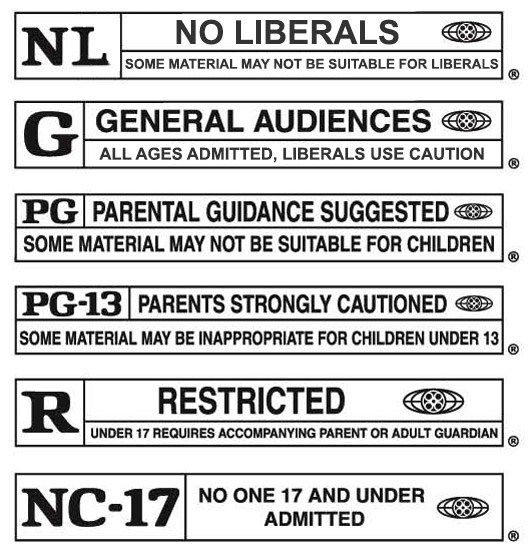
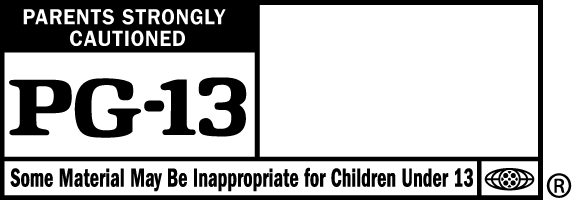
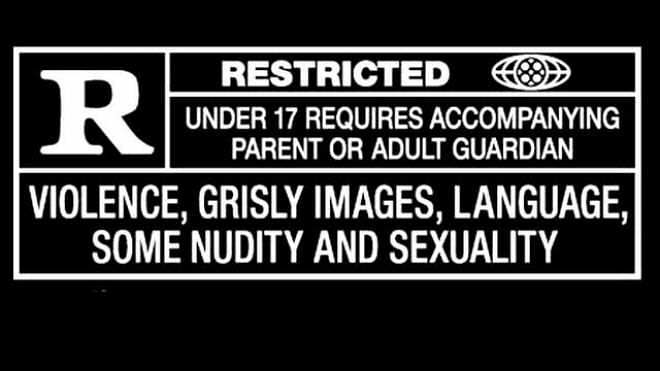
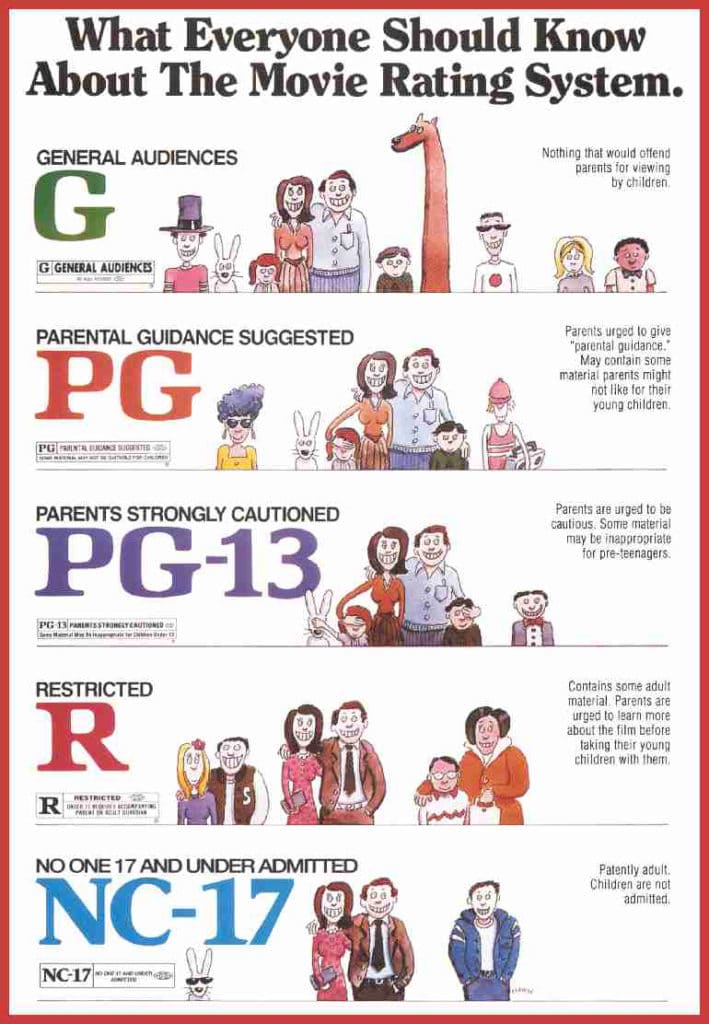
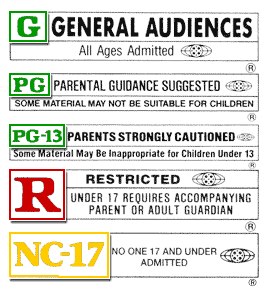
Throughout history many things have changed in the motion picture industry including ratings. Movies now get ratings which are a form of censorship. The people who rate the movies are claimed to be parents but in the movie “This Film Is Not Yet Rated” it shows us that we don’t really know who exactly is rating the films. The rating scale goes as followed ” G: General audiences – All ages admitted. PG: Parental guidance suggested – Some material may not be suitable for children. PG-13: Parents strongly cautioned – Some material may be inappropriate for children under 13. R: Restricted Under 17 requires accompanying parent or adult guardian. And worst of all NC-17, where anyone under 17 is not allowed. ”

Image result for movie ratings

The movie talked about how gay films depicting sex where much more likely to get an NC-17 rating. NC-17 ratings can crush the producers and directors of a film. They often will have to cut scenes in order to appeal to get a better rating. NC-17 films are not in theaters as long and limit the audience who can watch which can impact the profit made from a film. Not only that, but ratings are a form of censorship telling people what movies are “okay” for parent’s to show their children when in reality the parents should be able to make that choice themselves.

Hollywood and The Movie Industry

This week we talked about the film industry and how it has changed so much compared to now. Movies have changed so much from being black and white with no words or noise and now having color, many cool graphics and noise. Many people do not appreciate the film industry and how it has changed many things in our culture and we should be appreciating the art these directors and other people on these sets are making now and from the past. On Monday we watched about 15 minutes of When the Lion Roars and it touched on when MGM was first found and opened. This showed how films were first made and created. MGM was founded in Culver City outside of Hollywood. Hollywood then became booming with new stars and eventually these people became big names in Hollywood and movies. He Who Gets Slapped was the first big movie created by them and showed people how movies were something people could appreciate and find funny.

We also then watched the documentary This Film is Not Yet Rated which I found very interesting. I did not realize how much went into rating movies until this documentary. Many movies in this documentary were rated NC-17 due to sexual content and other things such as language but mostly because of sexual content. I found it very interesting that many people on this board after doing some deep digging with the private investigator rated movies this because they would not want their kids to see that even though many people’s kids on the board were 18 or older. The NPAA rates movies very seriously when reviewing them and many people do not get their movies rated differently when trying to get it changed. Overall I found this documentary very interesting and showed what the film industry goes through when submitting their movies to the NPAA and how they can actually not get approved at all.

We then were asked to read from Structure of New Hollywood which talks about the Big Five otherwise known as MGM, Warner Bros., 20th Century Fox, Paramount and RKO. These studios flourished during the Depression but then had it challenges soon after with the Paramount decree in 1948. Eventually people started watching TV and films were being replaced. There were many great movies that were made however from the late 60s to the early 70s but then some of the studios went under new ownership which was just another task for them to overcome. The article also talked about Jaws and how it flourished when it was released. Eventually big releases followed such as Rocky and Star Wars which passed Jaws for all-time box-office hit. Then things such as HBO were developed and delivered movies to the people. The film industry has really changed and grown throughout the years but it is sad how TV has somewhat taken control and people have lost interest in the industry.

MPAA – Solution or Problem?

This week was very interesting as we talked different movies as well as how they are rated. The Motion Picture Association of America is not what we all thought it was. The way films are rated, who they choose to rate them is all kept secret. Kirby Dick who is an Academy Award-nominated director decided he wants to find answers to how these people go through the process of rating films. Usually for inappropriate movies that involve sexual acts, cursing and more, you would think that the movie would instantly be rated ‘R’. However, The MPAA has another classification of ratings called ‘NC-17’. Basically, it just means anybody under the age of 17 is prohibited to see the movie. Yet, how do movies that have just been filmed get graded? What criteria makes them ‘R’, ‘NC-17’, PG-13 and more? Kirby Dick tried getting answers by hiring a private investigator to stake out the MPAA building headquarters. He wants to know the truth about how the MPAA has so much underlying power. He also interviews other directors who have been affected by the judgements of the MPAA’s ratings. Directors such as Kevin Smith, Mary Harron, John Waters and others shared the complaints with the unfair system that continues.   

See the source image

One answer that was found was how the MPAA selects participants to volunteer and rate the newly-produced movies. You would think all participants would share similarities, such as having kids among a certain age, married, income and more. In a way, like a focus group would. However, the private investigator in the film found out that some of the people volunteering had kids, while others did not. Lots of raters selected never really had training in this either. They don’t know what classifies as ‘R’ or ‘NC-17’. How is that fair to people? The answer is that it simply isn’t. When Kirby Dick spoke with a MPAA official regarding a certain film and why it got a certain rating, the official was vague and secretive. The official wouldn’t give out any info on the personnel selected to rate the film, or why it was giving that specific rating period. The MPAA lacks consideration of high-class directors. It was also said that the MPAA treats homosexuality in films more harshly than heterosexuality. How is it fair to treat one different than the other when they both involve the same thing? Sex. You would think major production companies such as Paramount, MGM and Warner Bros would all have the power to select the ratings of their own movie since it is THEIR publication. But no. They all must be rated by and organization that hires inexperienced people with different aspects of life to view their film. Is the MPAA really the answer? Or are they just a problem that’s in the way of big-time directors?

Jason Berardicurti

Headed West

How and Why was Hollywood formed? It all started when younger and more curious people began joining the movie industry. They wanted to get away from the big parent companies located on the East Coast that were known to sensor and hold back the creative forward thinkers in the business. A second reason for the big leap across the country was for location in general. There is beautiful weather basically year round and there are so many different aspects of nature all within reach from the coastal beaches, the wooded mountains, to the barren desert. One last major factor for the industry moving out there was, There was cheap land, and I mean a lot of it, because not many people had migrated that way yet. For those reasons it is quite a unique place.

Image result for hollywood in early years
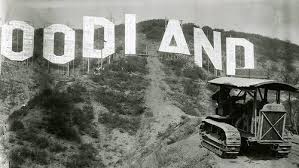
In early years the Famous now “Hollywood” sign read “HollywoodLand”

Around this same time and carrying forward a short amount of time we started to see very clearly who were the top dawgs and who fell inline beneath them. The top dawgs at this time are also known as the “Big Five” which consisted of Paramount, Warner Bros.,Metro-Goldwyn-Mayer, 20th Century Fox, and RKO. The smaller guys who trailed way behind were the “Little Three”; Columbia, United Artists, and Universal. The thing that made the big five so large and powerful was the way they ran their businesses. Each of them produced all their own movies with what goes along with that, as well as owning the theatres that the movies would be screen in. Therefore they were making money on all fronts.

Image result for this film is not yet rated logo

Switching to the more modern times and the struggle over censorship and the organization that was built off of censorship, the MPAA (Motion Picture Association of America). In the screening of “This Film is Not Yet Rated” we heard from many people who are in the film industry and their criticisms of the MPAA. The overall feeling I gathered from their statements and the investigation was that the MPAA is not fully truthful not forward with what actually is going on within the walls of the organization. I thought it was very interesting when they revealed that the rating of NC-17 could be placed on something the exact same as something that was rated R other than the fact that one depicts gay interactions while the other shows straight interactions (the image above depicts this). Along with many other instances in the film, I think that it is pretty wild how we allow such a small group of people who are nothing like the rest of the country decide what the rest of the country watches. We need people to ignore the ratings and watch what they think is acceptable for themsleves and children.

Image result for change the system

-Shane Weber