Media Communication Theories

This week in class we only had one day thanks to a snow day. Which was very much needed to get caught up on school work and get settled in after Thanksgiving break. On this Wednesday we talked about some of the communication theories there are and how they can affect us. One of them was called the Spiral of Science, it was an interesting theory of how opinions are usually kept within the person and don’t share them with others. These people keep their opinions to themselves, usually because the are in the minority and disagree with what most people have to say. These people also feel unsupported, isolated, and rejected from others which can affect their daily lives during their job or out with friends. Especially in the work place people go with the majority because they could lose their job if they said something that goes against everyone or if that idea doesn’t work out.

Image result for not wanting to voice opinions
Many people are afraid of what may happen if they do voice their opinions.

In these day in age people are struggling to voice their opinions because of the backlash it may have, and with the introduction of social media people could finally say anything on their mind. People that were in the minority found others who believed in similar things and realized there are a lot of people who agree with me. It wasn’t until recently where employers or anyone could track down everything you have posted the good, bad, and even the deleted. This led to many people not getting a job because of something they had posted from a while ago and still may not relate. This makes it even more challenging as people do not know what to post and are afraid of what might happen in the future.

Image result for social media affecting jobs'
One of the first thing an employer will do is to bring up any Social Media accounts you may have and look for anything that the company will not stand for.

Personally, for me I believe that I am free to say things on social media and in the real world. However, it does not mean I always post or voice my opinions, only because I do not want to, instead of being scared of what others might think. In social media I am careful about what I post because I know that there will be people looking at my profile and posts later in my life. I also do not post that much because I don’t feel the need to and don’t really care for it at all. as for real life and talking to people I do tend to hold back on some of my opinions because everyone has an opinion and I don’t want to start bickering with anyone or disagree and make it feel awkward. It also depends on the person I am talking with such as family, friends, and other people I am not that close with. With friends and family I usually always voice my opinion because I know they will hear me out, respect it, and not argue about the topic. As for others it is tough because some people always believe they are right or get offended at my or someone else’s opinions. Today’s world is great for voicing opinions because there are so many ways to connect with others, but we always have to be careful on what we say or post because it can affect us later on in life.


The final blog

Spiral of silence theory is so strong in people. It plays on the fear of being outcast for something you say playing into the idea of a mob mentality. It is how the angry minority is able to control the mass of people. With a few people being the only people talking then everybody else will fall in suit.

Image result for they can't arrest us all

Protection in numbers is a strong asset. This can also relate back to how many of the angry shows in television popped up in the 1990’s or trash TV. People were able to yell and ridicule people for going against a select of people’s beliefs, and the concept of the good guys always won in these shows. The audience could speak their minds towards one person with no repercussions. They were protected behind the crowd of people they were surrounded by with a similar mindset.

Image result for mobs

Image result for facebook troll

Facebook has taken this idea of herd mentality to a whole new level. As long as you don’t break one of their few rules that they don’t always enforce equally, you can say whatever you want. In the screening we watched we heard how several teens told us they were able to basically watch whatever they wished. In the same screening people were blacklisting a woman suing her family. They didn’t know the full story and they ruined her life. When interviews the family was ok with it, this was the only way to get homeowners insurance to kick in. People didn’t know that last part they went after her regardless. Protected behind the screen people feel stronger and more protected because they don’t have to see who they are saying these atrocities to.

Image result for like button

Like nation is on the rise. For so many people being likes is all that matters and this fuels the domination machine that is social media. People will have three different social media accounts will different followers just to feel important. People also get jealous of their friends when they don’t get as many likes as someone else did. It is the fact that someone took time out of their day to hit the button that says I like that.

Image result for gamers

People have made it their life to get as many followers and likes as possible. We can see this strongly in YouTube. When people get enough subscribers YouTube or twitch will start to pay them from uploading content. In the gaming community especially, people have only one job and that is to stream or to upload whatever, game is new or popular to their fan base. This is a newer concept based on the idea that people will watch adds to view something they like, or even pay them in cash for playing games that they like.

Social Media and the Spiral of Silence

In class this week, we briefly discussed social media and the spiral of silence theory.

More and more every day, social media advances and raises the question of how free we really are? Though social media can be a beautiful place to go spend your time and connect with your family, friends, and peers; it also can be a negative and toxic place. I think it is really common for youth, young adults, and adults to voice their opinions on specific things online since it is easier to do than in real life. Believe it or not, people actually listen. That sense of security, makes everyone feel better, and makes them feel powerful and heard, But sometimes the opinions that people preach can be extremely cruel, hurtful, or offensive. Social media including Facebook and Twitter have the highest amount of members so liking, commenting, or sharing negative things can be damaging towards both the victim and the harasser. 

It is impossible to evade criticism nowadays. There are simply too many review sites for you to keep anything quiet. Word-of-mouth recommendations mean so much more than they used to pre-internet because one harsh comment can spread around the globe instantly. If someone criticizes something, it is important to respond and to respond constructively. Not only is this good morals, but it also reassures anyone who stumbles on these comments that you do care and that you actively try to resolve negative situations. In addition, leaving criticism without a reply merely serves to reinforce their statement.

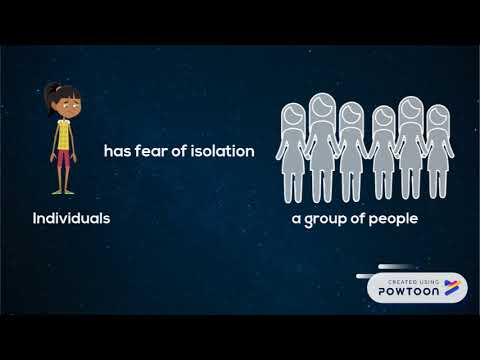
Originally proposed by German political scientist Elizabeth-Noelle Neumann 1974, Spiral of Silence is a theory meant to refer to the tendency of people remaining silent when they feel that their views are in opposition to the majority view on a subject. This theory suggests that they remain silent for a few reasons:  I) Fear of isolation when the group or public realizes that the individual has a different opinion from them. II) Fear of more extreme isolation including losing a job or friends. III) May feel unsupported by other employees.

The closer an individual feels their opinion resides to the held majority opinion, the more likely they are to be willing to voice it in public discourse. There are two major factors to mention. One is that this theory relies heavily on the idea that the opinion must have a distinct morally changed issue (abortion, gay marriage, or drug legalization.) No one will experience the spiral of silence when trying to decide with your roommates on the toppings you want on pizza.

Theories and Fan Power

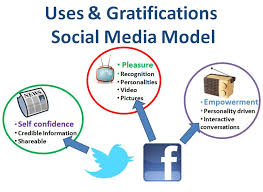
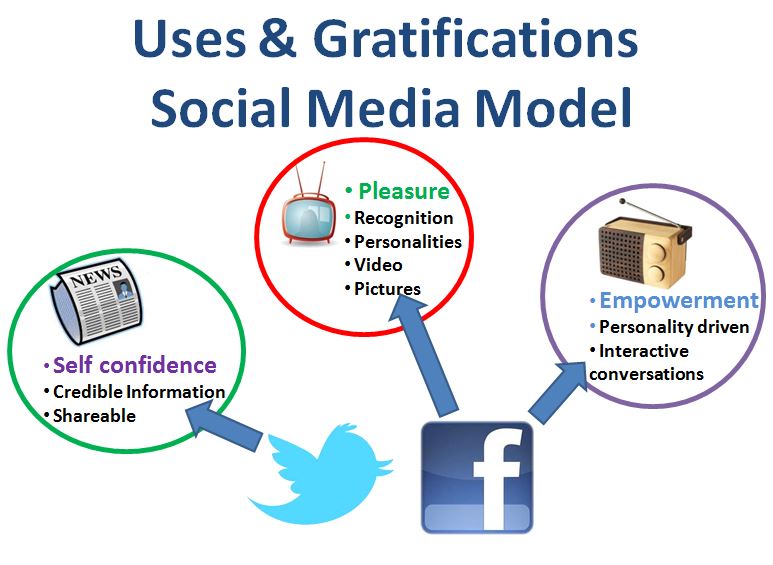
The media has five different needs and gratification theories which are:

Cognitive, Affective, Personal Integrative, Social Integrative, and Tension Free.

Affective needs satisfy emotions through music, books, film, TV, comics, etc. Personal Integrative needs help people measure their status in society. Social Integrative needs fills the need to communicate with friends and family to retain relationships. Examples of this are people who seek out commonalities among groups that watch the same show, play a video game, go to a convention, etc. There are numerous groups out there…even Bronies.

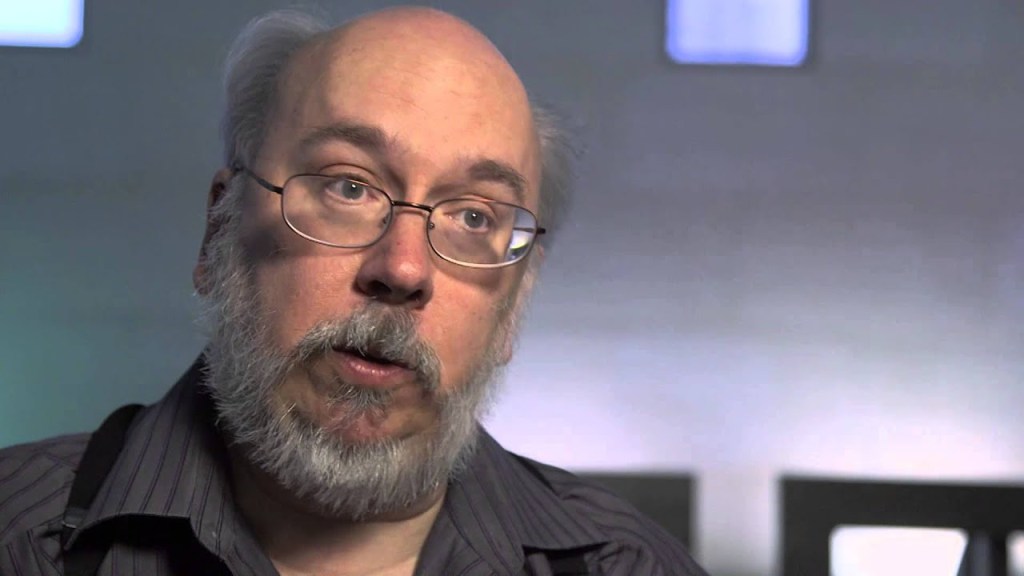
We then watched Henry Jenkins on Participatory Culture.

Henry Jenkins

A participatory culture is a culture with relatively low barriers to artistic expression and civic engagement, strong support for creating and sharing one’s creations, and some type of informal mentorship whereby what is known by the most experienced is passed along to novices. A participatory culture is also one in which members believe their contributions matter, and feel some degree of social connection with one another (at the least they care what other people think about what they have created). (Kulowiec, A Medium Corporation).

A quote that I took from the video that I found to be powerful was that “They don’t need us snooping over them, but they do need us watching their backs”.

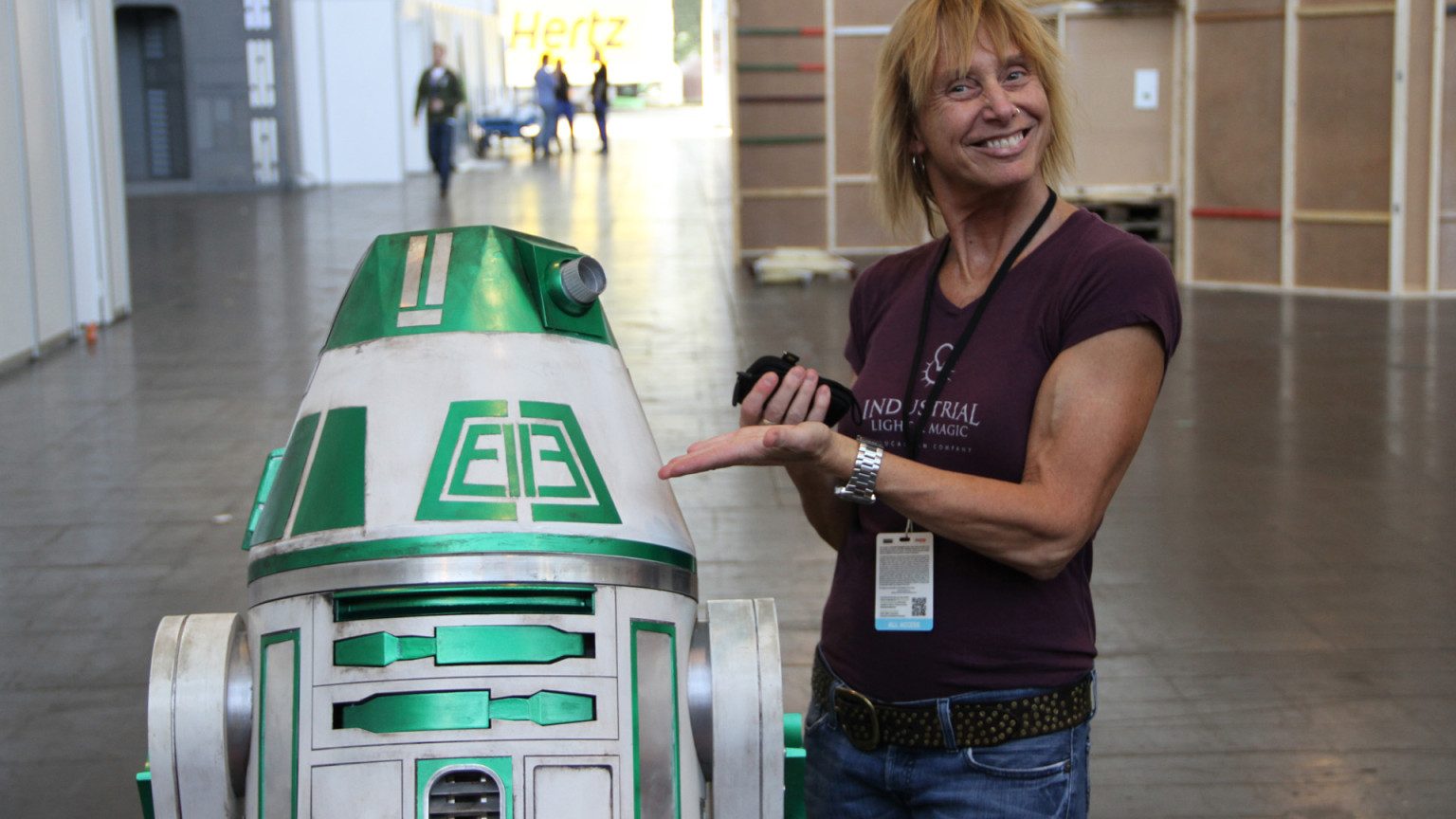
We then watched a TED Talk by Mary Franklin, former Sr. Events Lead for Lucas Film, a position in which she coordinated various marketing and promotional events for the company. She had gotten this position because she is such a huge fan of Star Wars and was apart of the StarWars online fan club; which plays back into social integrative needs. She was able to help the company because being a fan, she knew what everyone wanted to see or happen.

\Fandom/\/\Uses and Gratification/

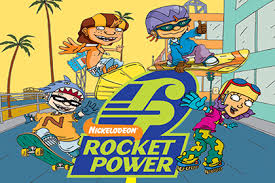
This week there were three main areas of focus in class: Fandom, Uses and gratification, and Galaxy Quest. Fandom can be described as the state or condition of being a fan of someone or something. This is something we see each and everyday, whether it be from ourselves or others around us. Often people fall into a fandom that suits their interests and the other people within that group more times than not hold the same interests. For me growing up on the beach I have always been bug into surfing and skating, therefore when the show Rocket Power came on you could find me with my ass planted on the couch in front of the television because I was a huge fan. Everyone has their own thing and often more than one. Fandom is important to the industry because without fans there would be no one to produce for. Also fans are the ones who drive companies to be better and grow upward.

Image result for Fandom rocket power

Speaking about the importance of fandom, in the screening of Galaxy Quest this week it was the fans who saved the day in the end. When it comes to fandom though, it is important that the fans and actors have a mutual respect because if the stars are not giving back to their fans than they will quickly lose them and in turn lose their job. If it had not been for the unbelievable amount of knowledge a group of friends had about the television show then all of the actors in the crew would have died in the clenches of an alien villain. Although fictional space alien wars and what not are usually not my cup of tea, I did find myself enjoying the film.

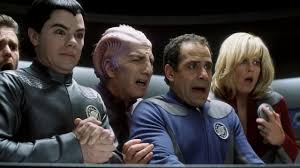
Image result for galaxy quest

Uses and gratification theory is a rather simple one to understand, it focuses on the reasons that people use certain pieces of media for any given reason. In my case, If I have a couple minutes of boredom I will open up my Instagram app and just scroll through instead of sitting and staring at the wall. There are many other reasons such as some that we spoke about in class such as having the television on to null the silence and have some other voices in the room instead of being alone. In some other cases people will use social media as their main source of information, for example a lot of people will scroll through twitter to get the latest news. The lessons this week were very relatable.

-Shane Weber

Fandoms and Galaxy Quest

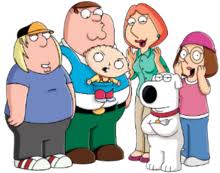
This week in class we learned about fandoms and how they can effect the entertainment industry. Fandoms are groups of people who are all really into a show, movie, comic, or game. They are all different types of people including their age, gender, beliefs and much more. People in these fandoms are called fans, people who have a strong interest in or admiration for a particular person or thing. By taking in these things the entertainment industry must provide these fandoms with what they want. They can bring in massive amounts of views, money, and support if they satisfy their needs. For example when the first time Family Guy stopped airing on television there was a huge uproar about it because people did not want the show to end and were upset that it did. Finally, Family Guy came back on the air, but the creator was not able to the all the things he wanted, he had to gradually work back to where he could put whatever he wanted on the show.

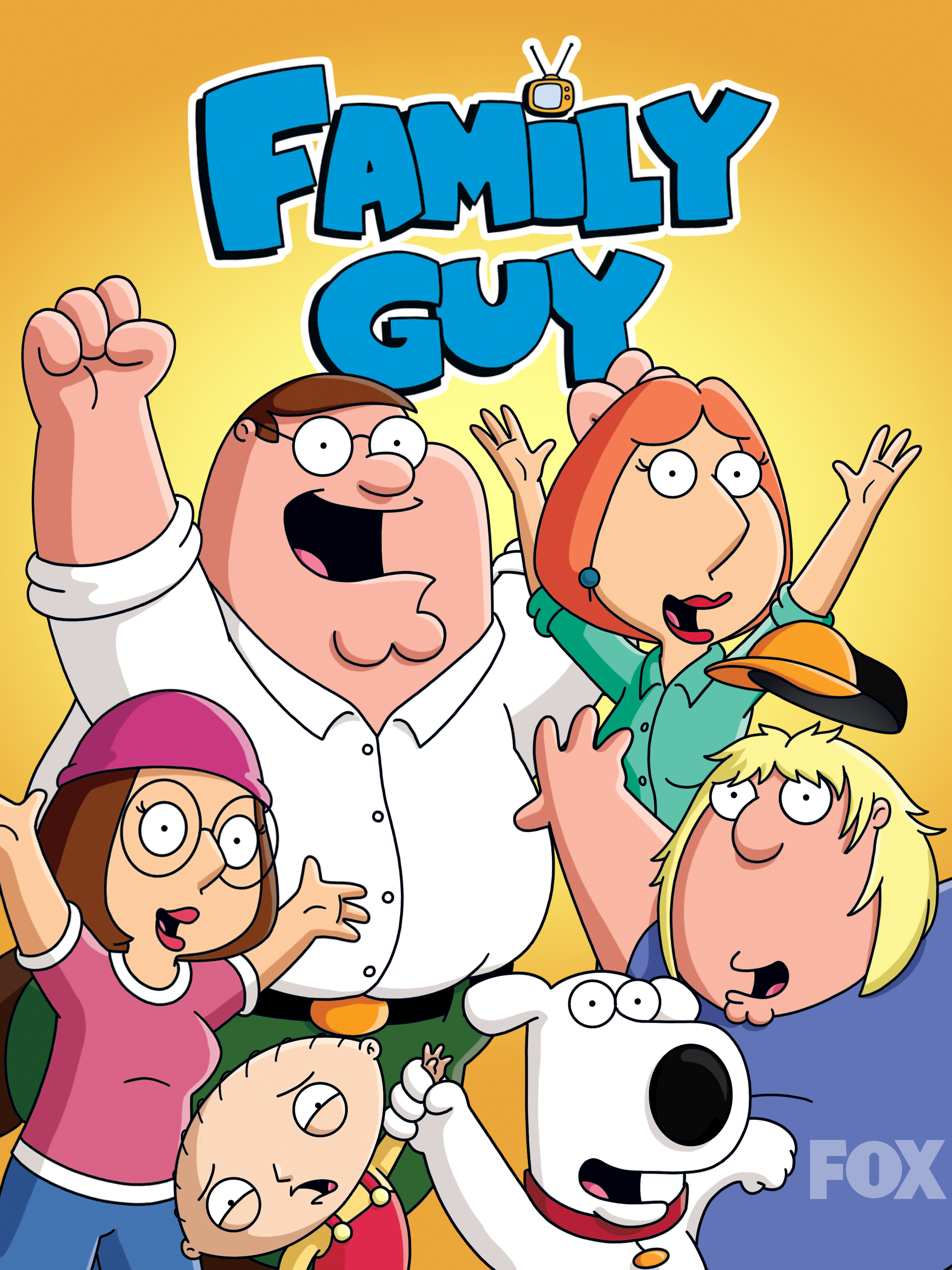
Image result for family guy
Family Guy was and still is one of the most popular adult animated television series.

Knowing the impact that fandoms have on movie franchises and television series, entertainment companies should even more events than they do know so that they can make more money, but it is also a place for fans to interact and spread the love they have for the fandom they are in. Another great example of a fandom that we watched was Galaxy Quest. At first I did not know if I was going to enjoy this movie, but it turned out to be very funny and it also showed how fans come together for the things they love. The movie is like Star Trek, even though I have never watched I can still see similarities between the two, but Galaxy Quest brings us into the real world and we see the many devoted fans going to conventions and meeting people, but to also meet the people they loved to watch and get their autographs, or ask them questions about their adventures during the show. It was also great to see how when their heroes were in trouble and they called upon their fans and received help from them which made their days and made them feel special. People in fandoms have something very special that not everyone else may have, they have a community that they can turn to for help if they need something.

Image result for Galaxy quest

Fandom

This week in class we discussed the big topic on fandom. “Fandom as a whole is a subculture that celebrates a mutual bond formed between people over a book series, TV show, movie, band, or other form of pop culture.” (Morrison, 2016, para 1). Fandoms are not about pointless things, it’s tied in with turning into a network fixated on the adoration for, and energy for something. It’s about fellowship, comprehension, and opening entryways and pathways that you never knew existed. To put it plainly, Fandom is digital empowerment. From streaming content to interfacing through social media life to making fan works. At the point when we got fit for devouring, interfacing and making without anyone else terms, with access to large numbers of other people who share our enthusiasm for a show, motion picture, book, story, character, sport, band, craftsman, computer game, brand, item, hobby, and so forth., the intensity of being a fan started to appear. As a business major, all of this is interesting and relates in a way because there is research that comes with this for example, ” In research,  In research we conducted last September, 85% of those surveyed reported being fans of something – 97% in the 18-24 age range” (Kresnicka, 2016, para 4). In a way, fandom is similar to brand loyalty, except with fans being loyal to their favorite TV show, movie, book, etc.

https://www.thedailystar.net/shout/life/why-fandoms-are-important-1580551

https://www.theodysseyonline.com/what-is-fandom-and-why-is-it-important

Image result for galaxy quest

We then watched Galaxy Quest which manages the possibility of being a fan and how big names treat their fans. I feel as though Galaxy Quest caught everything without flaw, the shows, the ensembles, the nerds, the groupies who go to cons searching for kicks. It paid heed to all the sci-fi platitudes, recognized them, and afterward bent them to its own comedic purposes. The cast are generally praiseworthy in their jobs as ex sci-fi stars who get slung into the genuine article and need to spare the system. What makes a great movie great is constantly an incredible story. The entire thought of on-screen characters from a quite a while in the past space arrangement being confused with being the genuine article by real outsiders is very cunning. Galaxy Quest got the outlandishness of being a fan, yet too its inspiration. At last, the disrupted and basic performers found quality and essentialness in comparable characters which stereotyped them. The geeks had a significant effect. The saints won. The miscreants gave excitement to masses of fans, which is the thing that I think being a fan and sci-fi is about. The whole cast was brilliant, particularly Tim Allen and Alan Rickman doing their best Shatner and Nimoy impersonations. However, out of every one of them two truly shine for me. Alan Rickman, whose outward appearances all through the film simply make you chuckle and Sam Rockwell, who plays the “additional crew member” who’s constantly persuaded he will get murdered in light of the fact that he’s no one important and not one of the ordinary cast.

Image result for galaxy quest

The Power of Fandom

Image result for u&g theory

During this week of class, we started to discuss the U&G theory. The U&G theory is to show the amount power and influence the fans really have over media. The fans do not even realize how crucial their opinions are for media corporations. They decide whether any type of media lives or die. The theory is based off of the trends that viewers tend to gravitate towards. The viewers look for affective, social integrative, and tension free media. I personally look for affectiveness in television shows or movies. I like to feel involved with the characters and feel what they feel because then I’m more intrigued and really get into whatever is on. I tend to watch television series with a lot of twists and turns. I find it way more enjoyable to always be on toes while watching something. It’s the unpredictability that I find to be very important for a show or movie to have. It really forces the viewer to pay attention and continuously analyze everything because you’ll always be thinking what will happen next.

Image result for family guy
Image result for fan base

A strong fan base can effectively alter an entire television series or a movie. The fans are always analyzing every little thing about a series or movie because they want whatever is to be perfectly in tune for every die hard fan. It usually will be the most intense fans that always find something very crucial or very minute detail that the producers messed up. Fans literally put themselves in the fictional stories but they live it in the real world. These are the ones that truly believe the fictional worlds that are created for entertainment are how they should be living their lives. Although some fans can be overly attached, they have the power to bring an entire series back to television. It was the fans to bring back the show “Family Guy” back to Fox.

Image result for galaxy quest

We also watched the movie “Galaxy Quest” which was about the cast of a television series called Galaxy Quest who are visited by actual aliens who believe the series was a true depiction of an intergalactic conflict and the cast is then brought onto the aliens ship to help them with their intergalactic conflict. This movie was supposed to show how crazy fans could really become. The aliens were the type of fans that truly believed the cast were their characters they portrayed and that the problems they faced during the show were real. I found the movie to be entertaining because there are fans in the real world that would go to the extents of the aliens did.

-Noah Soriano

The Story Of The Fan

This week in class we really focused on the power of the fans. In other words, we learned about the uses and gratification theory. The Uses and Gratification Theory is an approach to understanding why and how people actively seek out specific media to satisfy specific needs. UGT is an audience centered approach to understanding mass communication. It assumes that audience members are not passive consumers of media, but are actually active with their favorite shows. This theory mainly focuses on the view of the audience, and how the fans actually consume the media. Me personally I am a fan of many types of movies and TV shows. Some of these forms of entertainment include the Marvel franchise, Game of Thrones, and the Star Wars series. I absolutely love the Marvel universe and I think everything they’ve done so far has been incredible, and I’m very excited to see where the franchise is going to go from here. As much of a fan I am of Game of Thrones I was very disappointed at the final season, but hopefully with the power of the fans the creators will actually produce something better than that. Or if they make a very good prequel to the story. The power of fandom really has endless powers. For starters, the power of the fans actually brought a TV show back from the dead. Family Guy was not in production for quite some time, and then suddenly by the power of the fans the show came back on air. This is just one example of what the power of the fans can really do.

Over the duration of this week we watched the Movie Galaxy Quest, which starred one of my favorite childhood actors, Tim Allen. This movie is exact representation of the uses and gratification theory. This movie is based on a spoof of the classic Star Trek. I thought this movie was very good and I enjoyed it thoroughly. I found it funny how everything they have been doing for the past decade actually became they’re reality. Tim Allen played an excellent role in this movie, He really was caught off guard by the entire situation that he got himself into. He just thought it was a normal gig, but in the aliens reality he was saving their world. This movie is the foundation of fandom, since people were such fans of Star Trek they thought of an idea to make another type of Star Trek movie. Overall great movie and great week of class.

U & G Theory and Galaxy Quest

This week we started class with a discussion of the uses and gratification theory. The uses & gratification theory is an approach to understanding why and how people actively seek out specific media to satisfy their specific needs. People use music, books, film and television to fulfil their cognitive and affective needs. People use media to increase the self-esteem and to measure their status in society. Certain individuals also seek out social integrative needs to receive validation and credibility. These individuals socialize with family and friends to develop or retain relations in society. They view similar forms of media and find commonalities within that media. This helps these individuals create relationships with others that share the same interests, likes and dislikes. Others however, use media as a means of escapism and to relieve tension. The twenty-first century has many different forms of media allowing certain individuals to be alone or as a way of coping with loneliness.

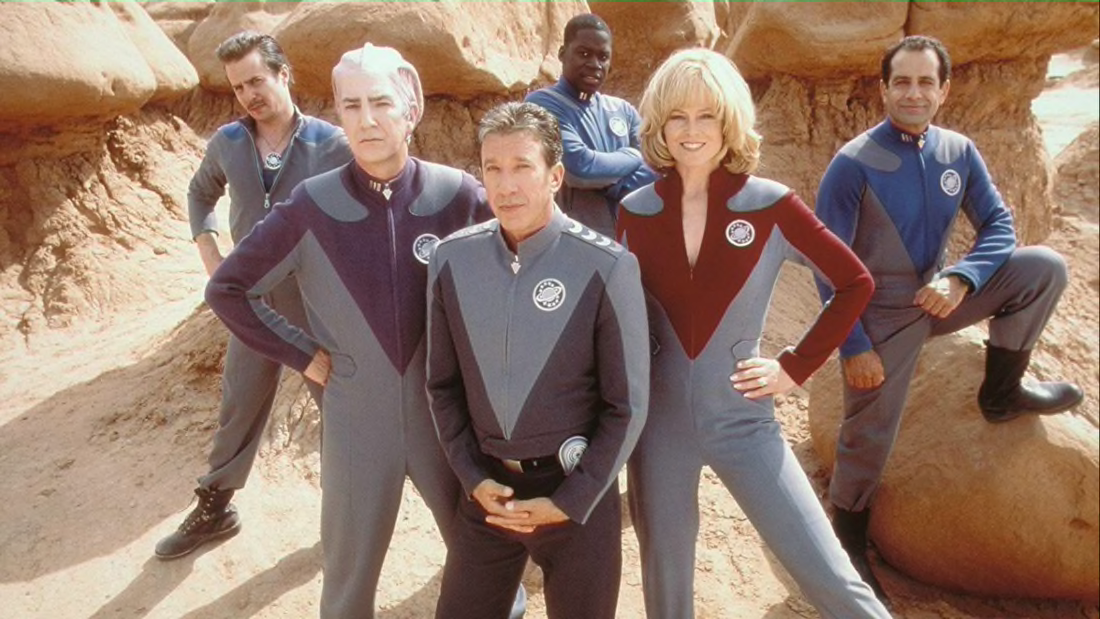
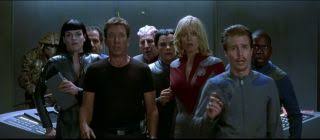
In class on Wednesday we finished viewing the film Galaxy Quest. Galaxy Quest is a 1999 American science-fiction comedy directed by Dean Parisot. The movie is a parody of the Star Trek series and all the fandom it attained throughout the years. The parody stars Tim Allen as Jason Nesmith, who played Commander Peter Quincy Taggart, the commander of the NSEA Protector and main character of the series. The film also co-starred Alan Rickman, Sigourney Weaver, Tony Shalhoub, Sam Rockwell and Daryl Mitchell.

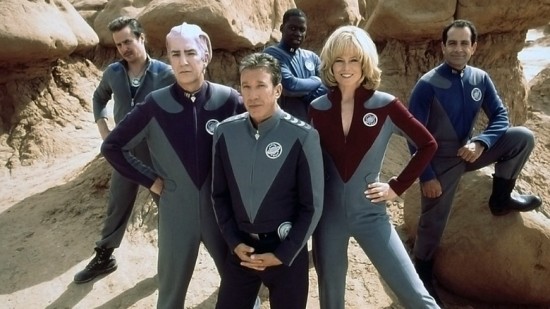
The cast of Galaxy Quest

Galaxy Quest begins with the crew of the canceled space-adventure television show at a fan convention receiving introductions and signing autographs. Jason Nesmith embraces and loves the attention he receives from his fans; while his supporting cast resents and despises him for “soaking up” all the glory. The plot of this science-fiction parody shifts towards a group of people called Thermians. The Thermians are represented by Mathesar and approach Nesmith with an issue of life or death. A group of Aliens threaten the remaining Thermians and they request help from “Commander Taggart” to save their race. Nesmith thinks this is all an act and agrees to help the Thermians with their problem. The following morning he is transported to the Protector (Thermian spaceship) and addresses the leader of the hostile aliens, Sarris. Nesmith, still unaware of the danger at hand, orders Mathesar to fire on Sarris’s ship and then requests to return home to sleep off his hangover. At this time, he is shot into outer space back to his home in a matter of seconds. Nesmith now realizes the situation at hand and rallies his crew to return to the Protector. Sarris’s ship and crew still remain and have an epic showdown against the Galaxy Quest crew and Thermians. The film ends with the destruction of Sarris’s ship and crash landing of an escape pod into a convention. Sarris’s finally attempt to kill the pestie humans is foiled by Nesmith with a swift laser beam to the chest. This all unfolds in front of the Galaxy Quest fans and the crew receives a standing ovation as they bow on stage. This film encapsulates comedy, action and heartfelt moments throughout the movie. It is a well rounded movie and is great for the whole family.

Written by – Samuel Erickson