
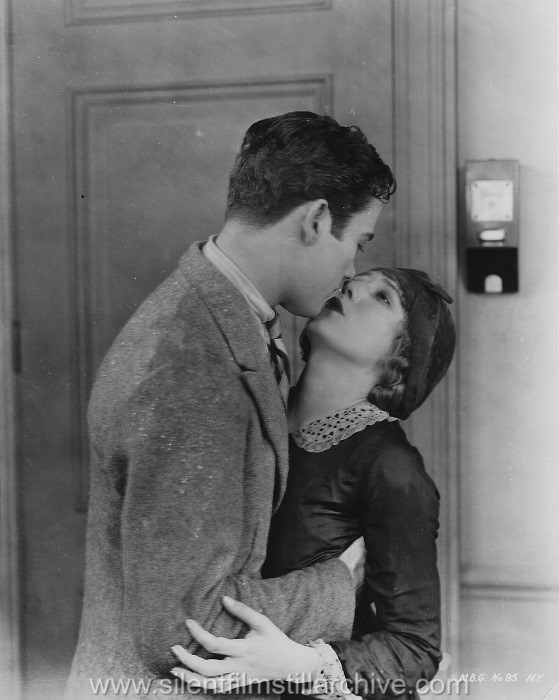
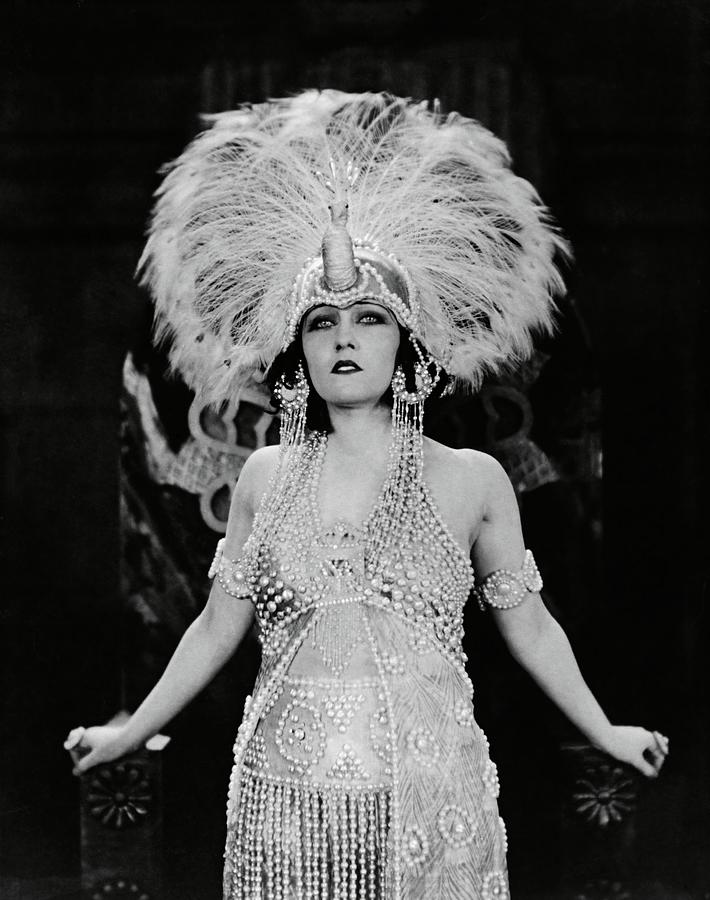
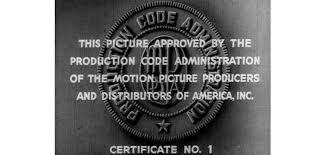
The film we first viewed on Monday was called Why Be Good? The short film illustrated the struggle of sexuality and security in early cinema. Movies of the 1920s were raw, uncensored and depicted the radical change of culture in the United States, particularly in Hollywood. Early films showed drama, sex and scandal at a time where there was little to none censorship or coverage on the production of films. Actresses that had a major impact and influence on this era were Mary Pickford and Glory Swanson. Mary Pickford performed in films such as My Best Girl, Coquette, Sparrows and Little Annie Rooney. Mary’s characters were extremely attractive, warmhearted, generous, funny but were also independent and fiery-tempered. Glory Swanson starred in movies such as Sadie Thompson, Male and Female, Why Change Your Wife and Beyond the Rocks. She was full of energy, always on the go, fidgety, and hyperactive. She had great ability to put thoughts into action, and there is no hesitation once she set her mind on something. This era of film was the building blocks of what was accepted, appropriate and allowed in future years of film and cinema. Within twenty years the population of Hollywood grew eight times its original size.
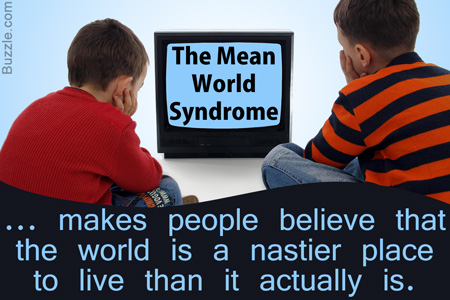
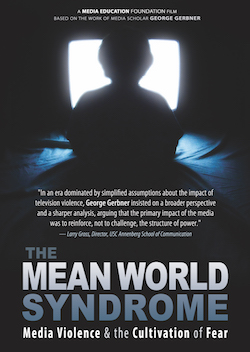
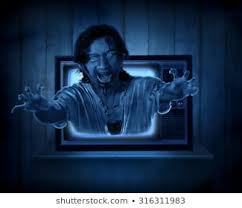
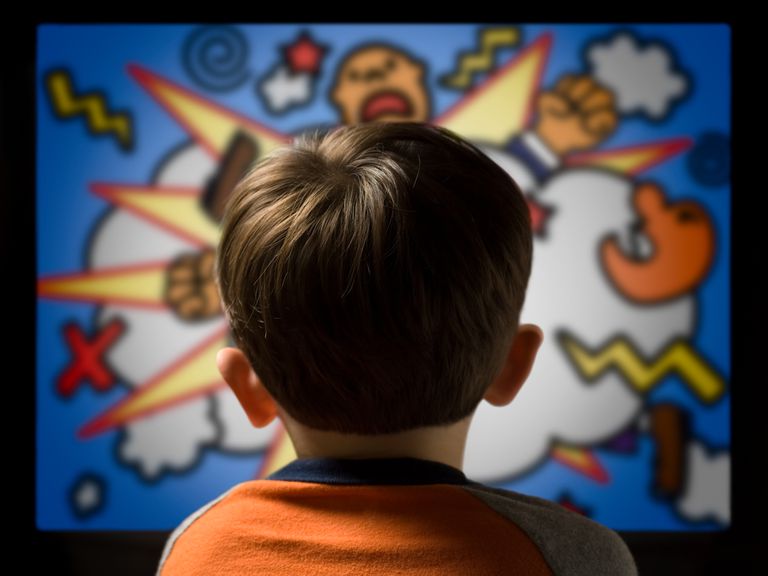
The second piece of film we watched and observed this week was a short documentary called Mean World Syndrome. Media today is engulfed in depicting violence and destruction in everyday-life. The documentary highlighted the effects of heavy users of television and the Cultivation Theory. The large consumption of television can lead consumers to view the world as more dangerous, mean and violent than the world around them actually is. This viewing of violence may create fear and paranoia where there is little threat or actually harm. The theory is not based on race, age, gender, religion, marital status, sexual orientation or economic status. Other theories believe mass consumption of violence can make or influence individuals to become more violent. This is quite the contrary however, the more television consumers view the less likely they are to act out of the ordinary and put themselves in harms way.
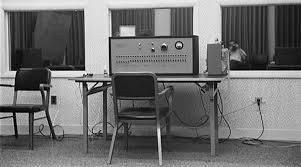
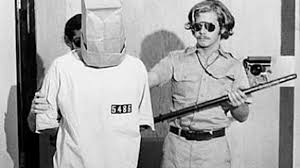
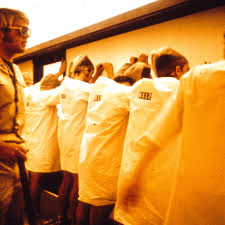
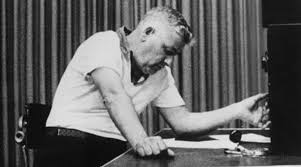
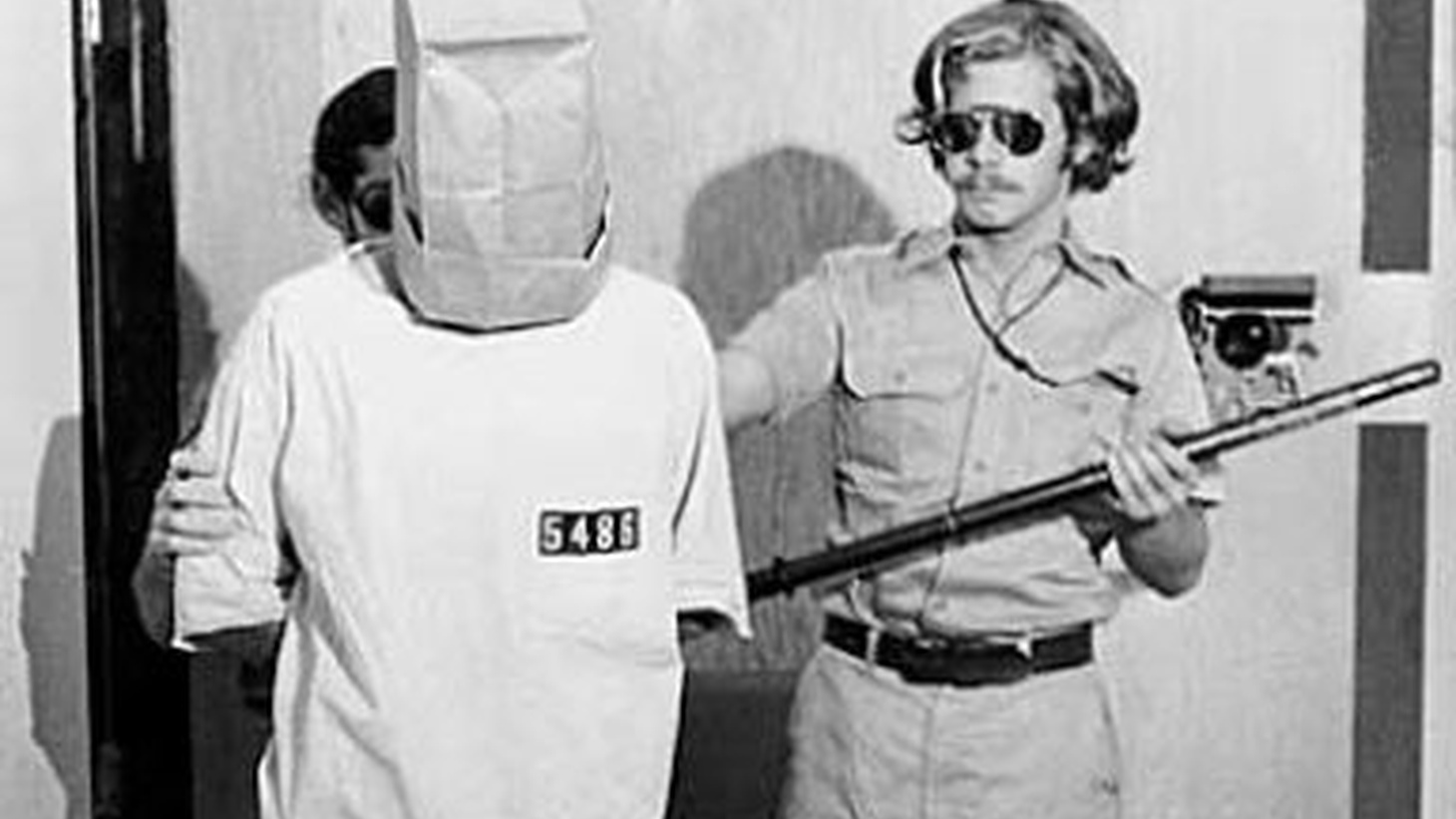

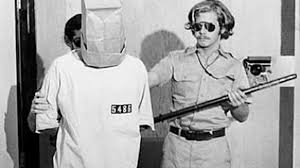
The last piece of film we viewed on Thursday was called The Big Picture with Avi Lewis. This show portrayed ordinary people creating heinous and unthinkable crimes. An example of this is when four fraternity brothers killed a young man and never called for help. The initiations to join their frat started out as simple acts of embarrassment but lead to serious consequences. The fraternity brothers made the young man drink an excessive amount of water followed by exercises such as pushups. The over consumption of water mixed with the strain of exercise on the body lead to severe kidney failure. When the man collapsed on the floor the brothers simply dismissed the fact and said he was “sleeping”. This of course was not the case and the male ended up dying several hours later. The four brothers pleaded guilty and will have to live with their cowardice decision for the rest of their lives. The show also discussed human behavior experiments and peoples blind obedience to authority. Several years ago at a McDonalds, a man impersonating as a police officer called the fast food restaurant explaining there was a complaint of theft and drugs. The manager ended up strip searching the employee in question and had her perform several ridiculous tasks. The man spoke with such confidence that the manager never questioned his authority. After a few hours, without the arrival of the police, the manager realized her mistake but the damage had already been done. The suspect impersonating the officer had pulled similar pranks on multiple restaurants and was never apprehended.
By – Samuel Erickson








 even if someone was telling me to. But then I remember that I don’t really know how I would react because I was not there. It makes me wonder what people are truly capable of given a particular circumstance.





 Mass Media & American Life - Fall 19