BREAKING NEWS!!!

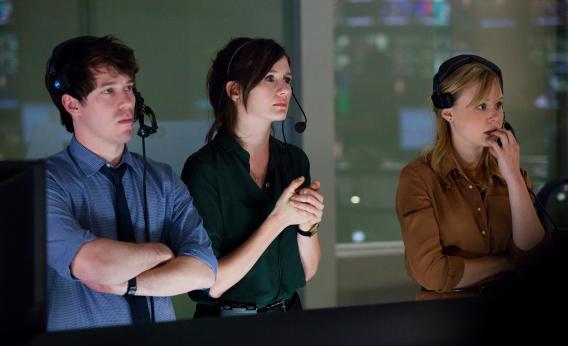
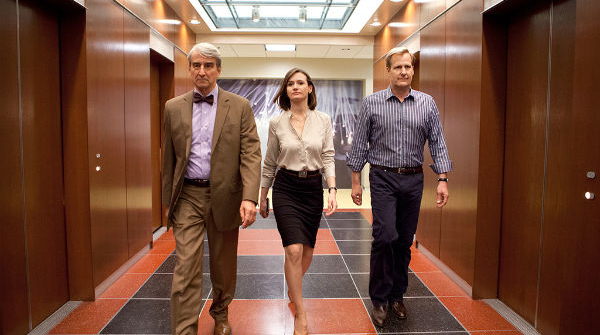
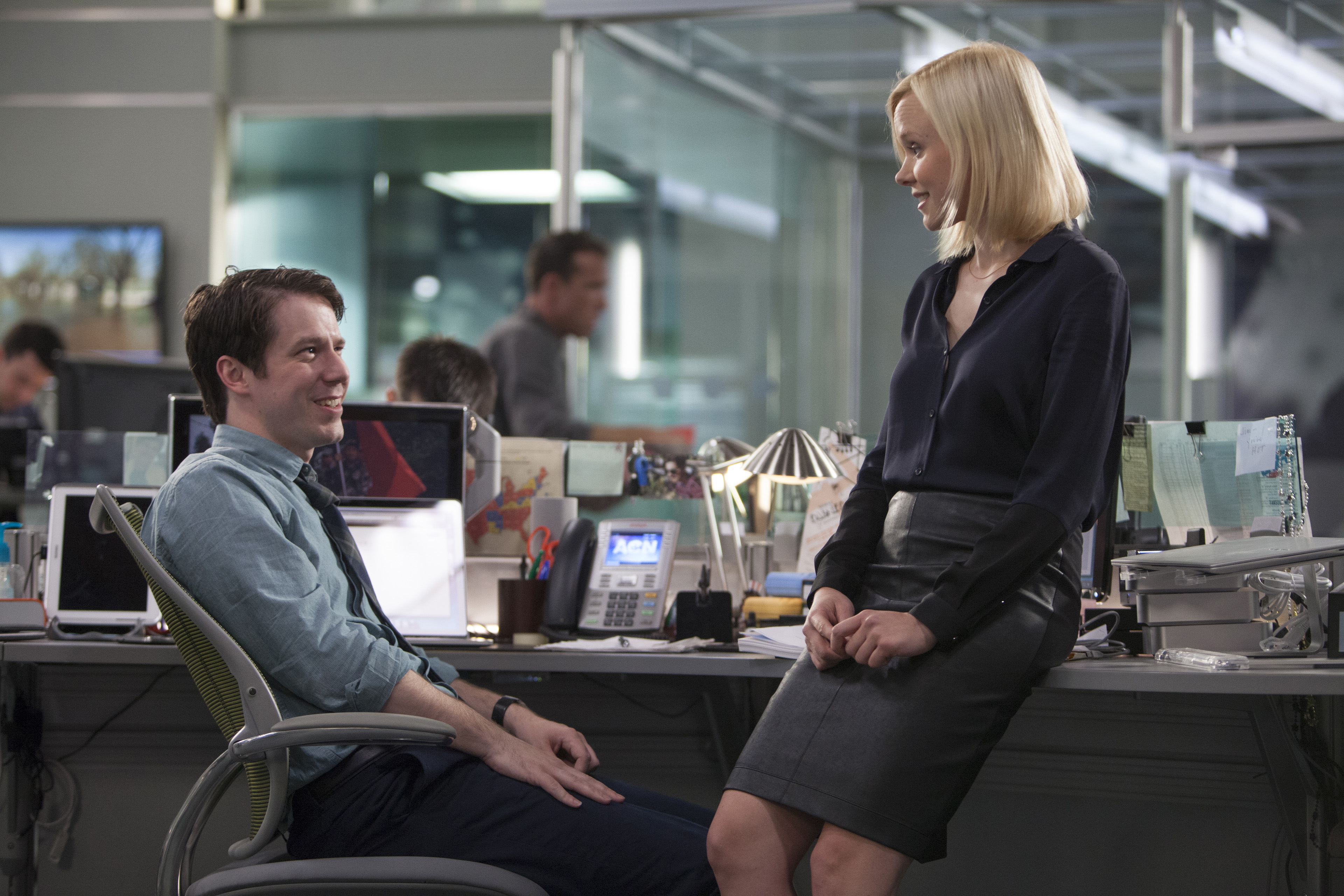
Breaking news! This week in class we went into depth about news, and the actions that lead up to how the news is told. This topic is very intriguing to me, because it conveys how certain news broadcasters either spread propaganda, or cover stories that are meaningless to the grand scheme of things. An example of something like this would be, in previous week of class, how the news was non stop broadcasting Justin Bieber’s arrest, although there were much larger stories to be told to the public. This just goes to show the real objectives of certain TV news providers. They would rather focus on gossip than actual news. Another example of this would be from today’s class in an episode of newsroom. In this episode the Atlantic Cable News (ACN) the news team wanted to go in a direction where they reported real news that people should hear. However, they lost 50% of they’re viewers because they weren’t reporting the hot gossip of the Casey Anthony story. Yes this story was a big deal, but it shouldn’t have been broadcast on every news station when there were other more important stories on the horizon. This story was strictly to get ratings up because in the cable news world ratings mean everything. The sad truth of the matter is that exaggerated/entertaining news will be told, rather than the boring cold hard facts.
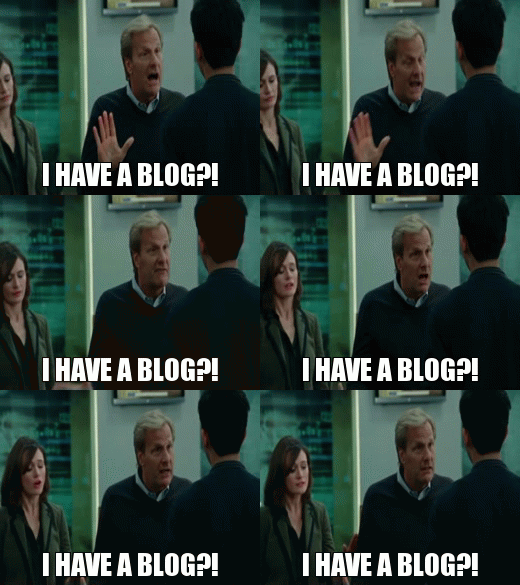
In the first episode of newsroom, ACN was facing inner conflict on weather to follow up and report a story, that most thought wasn’t a big deal, on the disastrous oil spill in the Gulf of Mexico. The problems that were faced was that the newsroom wasn’t set on this story and thought they should go into a different direction. I thought it was a unique experience to watch how news broadcasters actually went about to finding the right story to report. In the end it turned out the code yellow report actually turned into a code red and Will McAvoy proceeded to nail the broadcast.

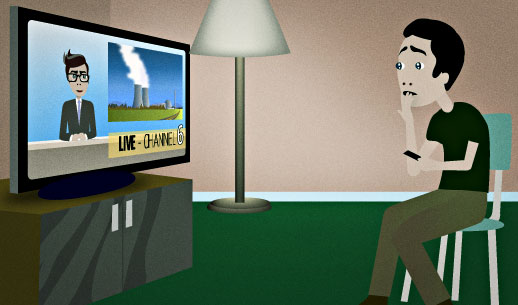
I personally have been getting updated and watch the news more often since being in this class. I get notified on my phone by a few news apps, and actually have been physically watching the news with coffee in the morning. But my main source would have to be twitter. The top 10 most important things on twitter helps me understand whats trending around the world at this current moment. I was first informed of the presidential impeachment rumors on twitter and then I proceeded to follow up on it through cable news. This is a story that simply cannot be ignored, and if I’m able to get some facts on twitter I will continue to use it for news.

News and Information

This week in class, we heavily discussed the media’s effect on news and information. By doing so, we watched two episodes of The Newsroom.

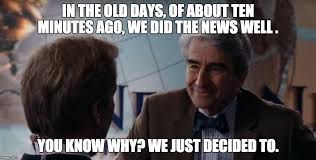
“We Just Decided To” was the pilot of The Newsroom, which was the first episode we watched during class. In the opening scene, news anchor Will McAvoy, is asked by a college student why America is the greatest country in the world. Being a well-respected and unproblematic man, he answered truthfully, saying it is not. He went on and said he believed in the country America used to be.We longer have our Golden Age. After the aftermath of his comment, he returned back to his job to find that most of his staff left and his new executive producer is his ex-girlfriend. To sum everything up, him and his team, had to work together to cover the disastrous oil spill in the Gulf of Mexico.

“The Blackout, Part 1: Tragedy Porn” was the last episode we watched during class. We discovered the news team lost half of their ratings due to the increase of ratings to another news network. For the ratings to improve, the news team had to cover the Casey Anthony case, which was about a woman who was accused of murdering her three year old daughter, Caylee. But by covering this story, it jeopardized many other worthy stories that could have been covered.

Personally, I enjoy keeping up with the news. I believe staying up to date with the news is an effective and beneficial way to have lots of knowledge about things that are currently happening in our world, good or bad. Especially, the fact that our country has never been so cruel and harsh to each other, it is so important to know about every little detail. We are facing a shit ton of news which the news itself cannot even handle. The impeachment on Donald Trump has been something every single person living here in the United States of America should care about. Whether you are in favor of him or not, this is not going away. We cannot pretend this not happening!

I am not going to lie, I get most of my news on social media, especially on Twitter. Twitter has this feature where it has the top ten most important things going on that day, and most of the time it is only silly things. Getting my news from Twitter is better than not receiving news at all.


Week 12: News

This week we read, watched and talked a lot about News. I find the topic of news so interesting to talk about especially in a college setting where most of the students have grown up with receiving the news mostly, if not only on their phones and via technology.  In the chapter it stated that, “Seventy percent of young adults said their social media feeds include a mix of viewpoints, increasing their chance of reading a wider array of content” (page 236) I find this is important, however I am curious at how accurate that images.jpegnumber is, and if people release the full extent of the biased news that they receive. While new technology gives you access to an abundance of news, it allows you to choose what you see, leading people to gravitate towards what they agree with or what they are comfortable reading and hearing.
In both The Newsroom episode that we watched this week, we were able to see the struggle of the newsroom at that time and there right to repot true news in oppose to exaggerated news or news that was purely there for entertainment. They were trying to get their ratings up and make sure they didn’t lose any viewers, but in order to do so they had to share stories that were more interesting and replace them with stories that may be more boring but at the same time much more important. Unknown.jpeg

I personally do not follow the news as much as I would like and struggle to find valid and interesting resources. Any news I do find I will often search up after the fact and look into the summary, however, this leads me to read often very biased responses to the news so that I do not get as frustrated reading a report that I strongly disagree with. In such a divided time within our country, the internet and social media are filled with an abundance of strong and split opinions, each believing they are right. This does not leave much room for a balanced story that simply repost what is happening, rather than all the problems and thoughts that come with it.

Less and fewer people seem to have time for the news, whether they actually do or not the idea of time seems to be crushing on this younger generation, where things are often rushed and have down, information only partially read oreceiveded. I do not know if this is due to increasing technology or just somehting that always is a fear, but I think it hinders the importance of news to many people.

-Grace Hanlon

Media Ethics- Posted Late With Permission From Professor

This week in class, we went over media ethics and how they have played a role in what we see in the media every day. The motion picture companies had little regulation, and none outside of self-regulation, to what they were able to put in their films. In the late 1920’s, there was a large group of researchers who wanted to prove that films were “poisoning” the minds of the youth. This was known as the Payne Fund Study. This study went on to bring in the Production Code for the motion picture industry. The Production Code was put into place to regulate the motion picture industry.

Another thing that we went over in class this week was Cultivation Theory. Cultivation Theory was a theory thought up by researcher George Gerbner that predicted that people who were heavy users of television and film were more likely to see the world as “dangerous, mean and violent” than those who were light users of those mediums. This was also known as “Mean World Syndrome”.

We also watched a short film called the “Human Behavior Experiment”. This film went over different ways that humans will react to situations while alone and also while with others. There were many different examples of this in the film, such as Stanley Milgrim’s experiment with fake electrical shocks to people by subjects who had no idea that it was an experiment. These people would give “shocks” to people in the other room until they would deny to give anymore “shocks” to the person in the other room. There was also the example of the Genovese Murder, when people heard the screams of a woman getting murdered, and did not call the police when they heard it. There was an experiment to see if people would react different to emergencies when they were alone versus when there were others around them. This experiment found that people would help when they believed it was only them that heard, but if there were others they were less likely to help.

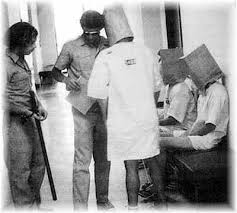
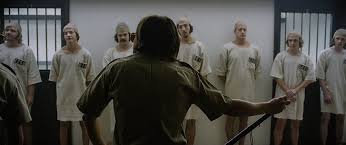
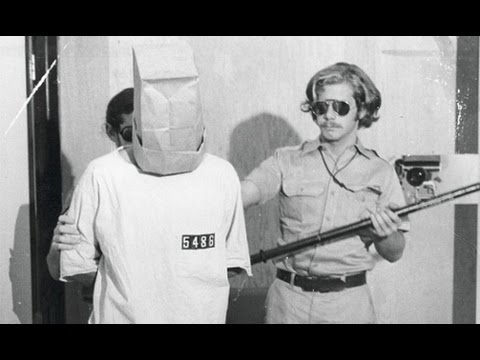
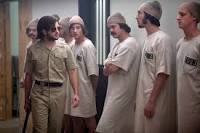
We also saw what happened during the Stanford Prison Experiment. This was an experiment to see how people would act while in a prison like situation. It involved two dozen male students that volunteered to be in an experiment that they had no idea what would happen. The people who would be the “guards” were given an officer like outfit, and the “prisoners” were given a long smock with only a number that they would be referred to for the duration of the experiment. After only six days, a “prisoner” had a mental breakdown, and everyday after that another one would ask to be removed. The experiment only lasted for about half of the original two weeks that it was scheduled to last.

Media and power

This week we had talked about how media can give you some wrong message and make you believe that’s true. And how power can severely effect people’s behaviors.

The documentary we watched in class about the prison experiment from Stanford really shocked me. The experiment is about make half of the random participants to be prisoner and  the rest of the participants to be the guard. The experiment restored the real since of the prison. At first, participants act like what I anticipated, they still acted like normal people outside of the prison. However, the guards start to feel power and things gets changed really fast. I am really shocked by how short they use to incorporated in to the character. Prisoner start to believe they are real prisoner, and because there’s no rules and interference, guards starts to abuse their power, the fake prison even gets more crazy than the real prison. People’s reactions to power really surprised me, the participants knows this is not real but they still gets serious because of the power they have.

The another example of power is people believed in what phone call says with no proof. A manger of a fast food restaurant gets a phone call from a person who claim to be a cop. He sounds like it, so the manager just believed it. He did what the ‘cop’ told him to do, which is to search one of the employee. There’s more unreachable things the ‘cop’ told the manager to do after the first one. And the manager didn’t even remember to check if that is a real cop. He was scared by the power. From a onlooker’s point of view, it is really hard to believe that really happened, but we are not in the moment, that’s how power and media can effect people.

What we can’s avoid these days is there always fake news, people are not likely to check the source of the news when they saw something really shocked them. Publisher sees that and use that when they edit their new in order to get more attention for their article.  It is really easy for people to believe what they saw on internet or any media, people already get used to moving fast right now, it seems like wasting time to check the source. We shouldn’t underrate the power of the media. When you have some negative thoughts, you will be more easy to be influenced by the media.

Media Effects

This week in class we discussed many things but we mainly talked how the media can be misleading and misconstrued. Sometimes we see things about fake news and how some things on television aren’t are always true or that they don’t appear to be true. On Monday, we watched a video in class that i found pretty interesting and it focused on the mean world syndrome that media had installed us with. Mean world syndrome is when you have an idea that more negative information and news that you are shown by how dangerous the world is, and on the most personal level, the more likely you will think you might become the victim in our world. It has been found that you might feel more victimized the more likely you will be. Gerber has said that the more television that you watch, the more paranoid and fearful that you will become. What is more weird about this theory is that though crime rate is dropping, the majority of people believe that it is increasing and there is higher chance of the day to day violence

.I definitely think what you watch has something to do with how you view the world. I watch a lot of crime and police shows and i will say that i am very shocked on what they show on those shows and i think about how some of those things that they show may have actually happened. There are really sad and upsetting stories of bad things happening to people and it makes me upset and you never think that would happen to someone.

Another thing we discussed in our class was the power of authority. One example that stuck to me was when the food manager at a fast food place strip searching a high school employee because someone on the phone was telling them to do so. The person on the phone claimed to be the police and of high authority so the manager thought that she had to listen to commands. The entire scenario was crazy because i kept thinking that i would have never done that type of thing to someone.

Photo: Maskot / Getty Images

The Effects of Media

During this week in class, we spoke about the many effects that media has on human behavior. We forget how much power the media and news has to alter our everyday lives and decisions. The media is thrown at us everywhere we look and the news we also shove anything that they find outrageous but also exaggerate it to the point where it sounds irrelevant. The thing I find interesting is that with all this “fake news” thats out there, people still will believe every word of it because its being told by professionals and they’re supposed to be reliable.

Image result for social media
Image result for fake news

Another topic we spoke about was human behavior and how it could be altered from certain situations. We watched a documentary called “The Big Picture: Human Behavior Experiments”. This documentary depicted experiments that were conducted in the 1990s. The first was the Milgram experiment where he studied how an individual would react to certain authority. The documentary spoke about the deaths related to this behavior. The death of Matthew Carrington was apart of a frat hazing incident where the pledges had to drink as much water as possible as there initiation test. Matthew was unfortunately a pledge and had to endure this initiation test but in doing so drowned from the large amount of water he consumed. The brothers in the frat stood and watched Matthew die because they thought he was just sleeping it off. This shows the effect media has on individuals. The media shows people are supposed to be cool and popular but people don’t understand that these characters that are on the media are false facade of how people act. The documentary also spoke about an experiment conducted by Stanford where normal people were supposed to be prison guards and prisoners. It was to show how far individuals would go without any rules or supervision. These guards increased their authority over time and started to take advantage of their fake power they had towards the prisoners. The prisoners started to react more and more to the fake power the guards were enforcing. They started to really believe they were in a prisoner and did whatever they were told.

Image result for the big picture human behavior documentary 1900s stanford

The last thing we spoke about in class this week was the Agenda Setting Theory. It is the influence the media has on the public. I find it alarming how we rely so heavily on the media for all of our information because most of the time it is false. This power can lead to even more controversy in the world.

-Noah Soriano

How Media affects our Lives

Media is in our lives and here to stay, everyday we check our phones go on social media for multiple hours, multiple times a day. We are constantly glued to our phones, television and laptops we never stop and put them down. With all the social media apps it is hard to get away from. Media and especially social media is getting bigger and more useful for everyone.

Image result for media
Some of the apps we use on a day to day basis.

In today’s society opportunities arise everyday just from social media. We can get all of our news straight from our phone, some of it is questionable and must be open to believe it. This is because anyone can post anything which means people who lie have a voice as well. Just because there can be fake news online doesn’t mean that social media isn’t trustworthy, there are plenty of trusted account that will tell you everything you need to know. It is also great for keeping up with all of your friends and family and even meeting new people. But because of this there a plenty of mean people in the world and being online allows them to say and post anything they want with no consequences most of the time. We can block these people but they can just make a new account if they want. These people can make you feel bad and for no reason, because of this social media can be a mean and hurtful place. It can cause stress and anxiety, and all other mental and physical health issues. The world can be a very hateful place especially with social media being right on our phones. The only thing that we can do is to not feed into it and fire back with more hate because that will solve nothing. So the best thing we can do is to just brush it off our shoulders and go on with our daily lives and not letting it affect us.

Image result for cyberbullying
All of the thing that people do on social media and how it affects us.

Social media is a great place for many of reasons, but we have to be careful with the news we receive and all the mean people online. There are many opportunities presented in social media and we should take advantage of that, but we do need to be careful about what we post, because anything posted can be seen by a future employer even if you are private, from a long time ago, or if it was deleted.

Media Effect in Society

This week in class we discussed theories in which are believed to have effects on humans from forms of media. The main focus was the Gerbner Theory. The theory examines long-term effects from television. The main point of the theory is that people begin to have a sense of “living” in the fictional world of television, and begin to align their real life with it. For example, a regular every day human that watches a significant amount of violent TV will be scared of going out into the everyday world, as if the acts they are seeing will potentially happen to them.

I found this theory really interesting. The fact that one can become so entrenched with the fictional world, that they start to have fears based around what they are viewing for their own leisure. It is easy to see something repeatedly in a show and maybe have the thought in your head “Wow, that would be insane/scary/cool” but it is another to have a legitimate emotional issue with it.

The other interesting and also stomach turning show we watched in class was The Big Picture. It was a compilation of clips from human behavior experiments to show how humans react in new/different situations. The Stanford experiment by Zimbardo was fascinating to see how average people change and adapt based on a simulation. Zimbardo set up a fake prison in Stanford U’s basement. He then collected volunteers to be either prisoners or guards. After about a day, one guard specifically became infatuated with the power and ran with it. A prisoner had a mental breakdown in a couple days, even though he knew it was simulated. The guard just became really wrapped up in his role, despite knowing he was not actually a prison guard.

I was really shocked that people can know they’re in a simulation, and become into their role so much, that they basically believe it as real world. The guard was interviewed for the show and he even acknowledged that he knew it was fake and he just simply got carried away. It is hard for me to imagine that I would crumble to the power I hold in an experiment, let alone real life. However, being the prisoner in that situation would not be enjoyable, especially if I had no offenses, I would not want to be dehumanized.

The effects of media on society theories sound quite outlandish and hard to believe. The human behavior experiments shine a different light on the matter. Humans, some more than others, are very susceptible to change in behavior given a strenuous situation. The lady in the McDonalds strip search interview said it best, “You never know what you would do unless you’re there.”

Human Puppets

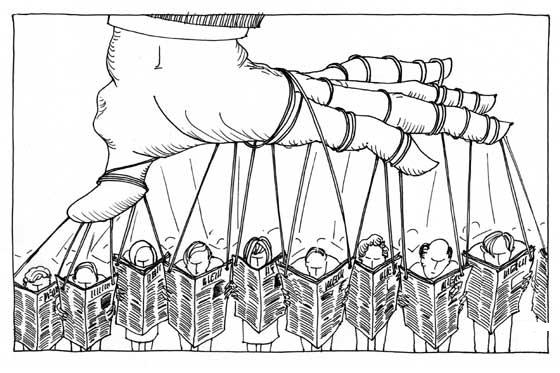
Over the past week in class we have gone in to pretty great depth of the connection between people and the media. Along with that, we focused on how the media has a way of choosing for the people how they should feel and what they should think. Sprinkled in with the effects of media were a couple examples of past experiments that truly changed the psychology world as well as the real world.

The theory used when talking about how the media tells people what to think is “Agenda Setting theory”. The definition of agenda setting is fairly straight forward; the media picks what they want the people to know and only show the one side that they agree with. In layman’s terms, the media outlets show certain things that they want the people to see while withholding other information that may be pertinent to the story. An example of this that was used in class was when MSNBC cut off a congresswoman speaking about important things going on in our country, to tell everyone watching that Justin Bieber had been arrested for street racing. In a case like that it is simple to see that MSNBC may not have agreed with what the congresswoman was speaking about so they just shut her down. We can see instances such as this all over but we must be aware that it is going on.

Image result for agenda setting

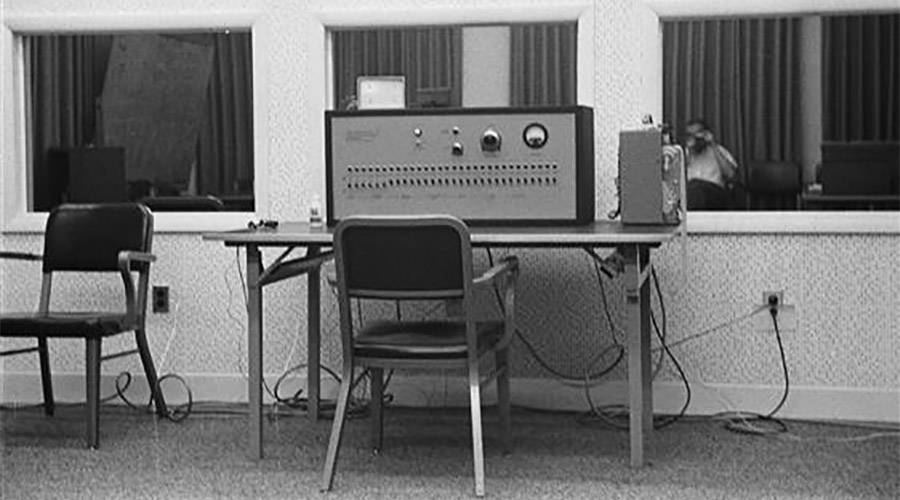
Moving into the social experiments, the first one we spoke about was the Milgram Shock Experiment. Stanley Milgram was a professor at Yale University when he conducted this experiment in 1961. The basis of his experiment was to find out how far people would go with something if they had someone of an authority position was telling them too. In Milgrams experiment he had random volunteers sit behind a device which they though was shocking someone in the next room (even though the person in the next room was part of the experiment and not getting shocked at all). they would then read questions and deliver a shock for wrong answers. Milgram was very surprised to see that many people went all the way up to fatal shock levels simply because he had a doctors coat on and was telling them too. This shows that people respond in a certain way to authority.

Image result for stanley milgram shock experiment

The second experiment was the Stanford Prison experiment put on by Philip Zimbardo while he was a professor at Stanford University in 1971. In this experiment Zimbardo split the volunteers into two groups (guards or prisoners). As the experiment progressed you could see how the guards started talking the role a little too serious and began to actually mentally mess up the prisoners. They were in a position of power and began to abuse it. This is connected to agenda setting because the media outlets abuse their power and just tell people what they think the people should know.

Image result for stanford prison experiment

People should be aware of the agenda setting that is constantly going on and not let it decide their views. We should be gaining our information from multiple sources so we can choose our own outlook on anything.

-Shane Weber