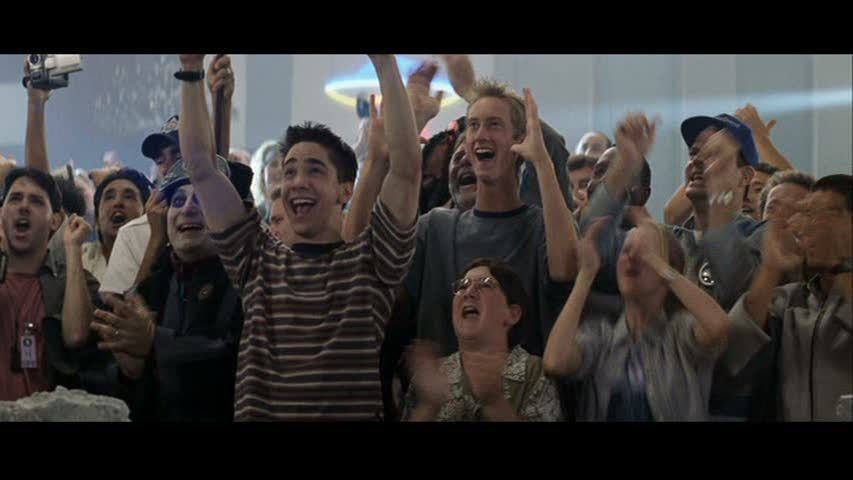
Theories and Fan Power

The media has five different needs and gratification theories which are:

Cognitive, Affective, Personal Integrative, Social Integrative, and Tension Free.

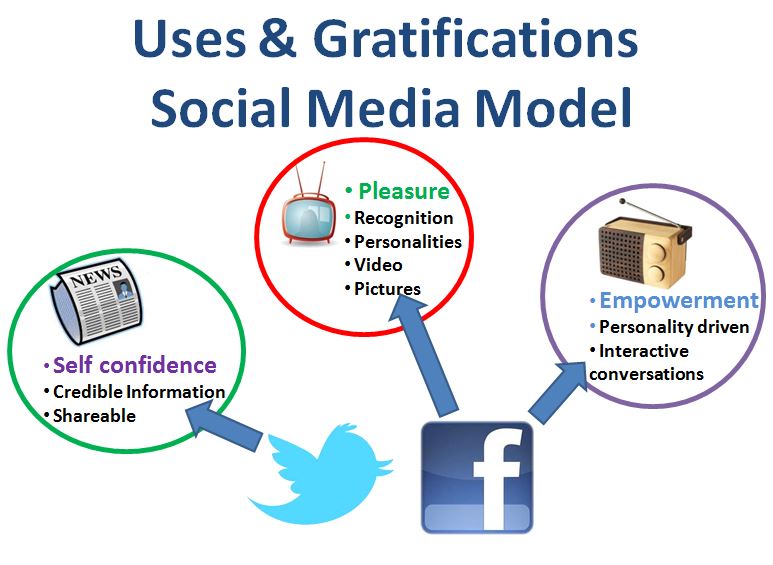
Affective needs satisfy emotions through music, books, film, TV, comics, etc. Personal Integrative needs help people measure their status in society. Social Integrative needs fills the need to communicate with friends and family to retain relationships. Examples of this are people who seek out commonalities among groups that watch the same show, play a video game, go to a convention, etc. There are numerous groups out there…even Bronies.

We then watched Henry Jenkins on Participatory Culture.
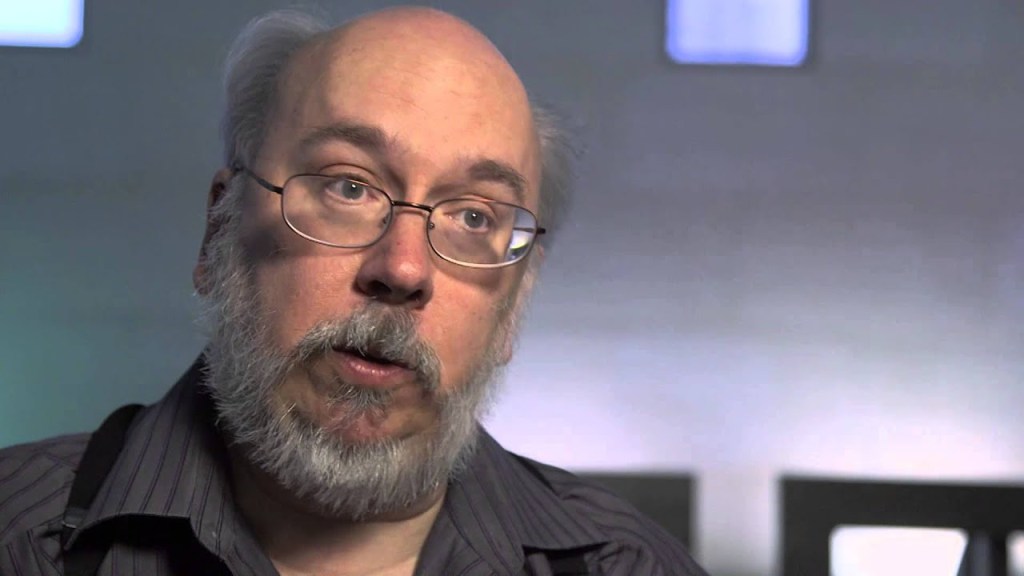
Henry Jenkins

A participatory culture is a culture with relatively low barriers to artistic expression and civic engagement, strong support for creating and sharing one’s creations, and some type of informal mentorship whereby what is known by the most experienced is passed along to novices. A participatory culture is also one in which members believe their contributions matter, and feel some degree of social connection with one another (at the least they care what other people think about what they have created). (Kulowiec, A Medium Corporation).

A quote that I took from the video that I found to be powerful was that “They don’t need us snooping over them, but they do need us watching their backs”.

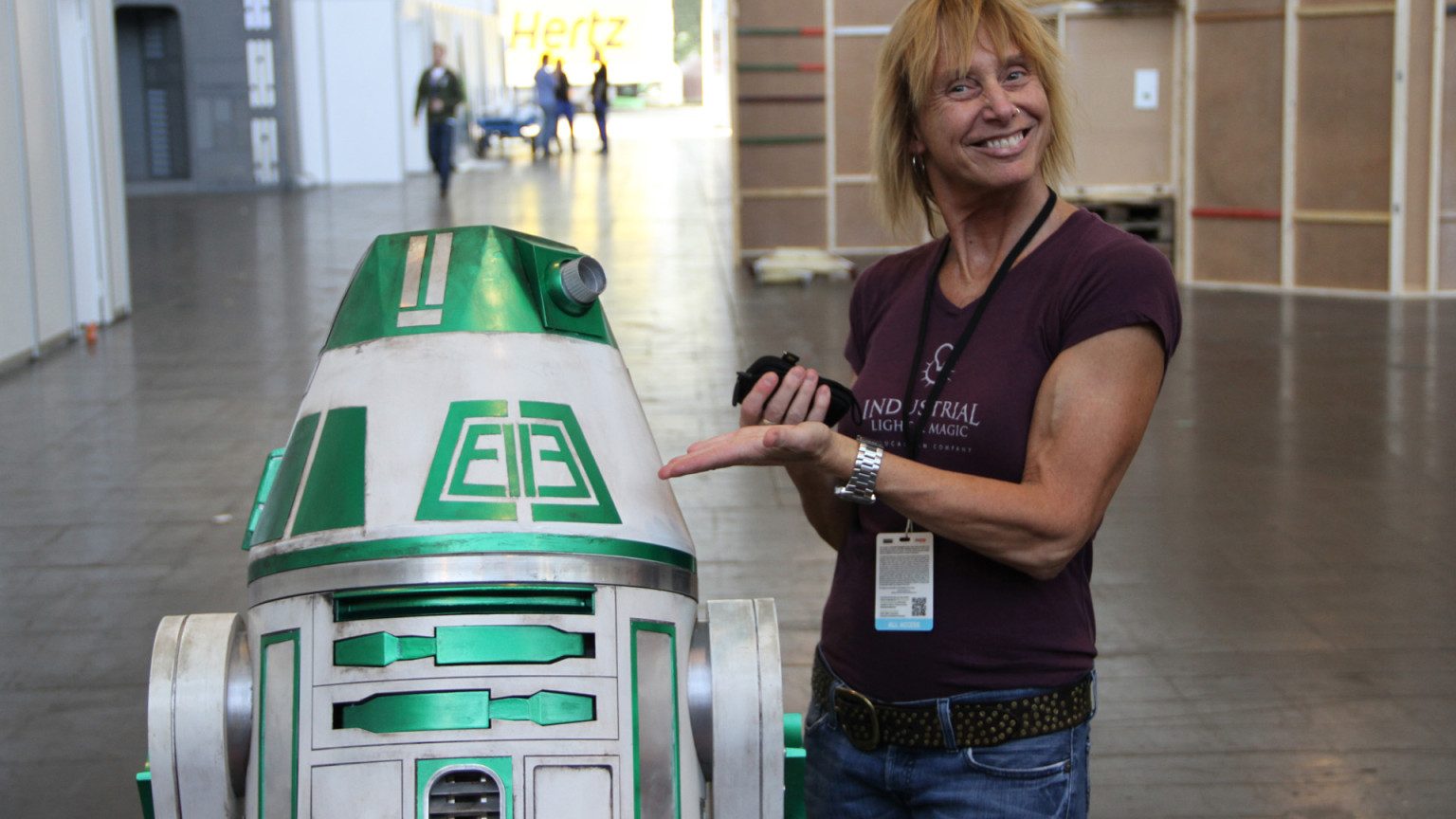
We then watched a TED Talk by Mary Franklin, former Sr. Events Lead for Lucas Film, a position in which she coordinated various marketing and promotional events for the company. She had gotten this position because she is such a huge fan of Star Wars and was apart of the StarWars online fan club; which plays back into social integrative needs. She was able to help the company because being a fan, she knew what everyone wanted to see or happen.
\Fandom/\/\Uses and Gratification/

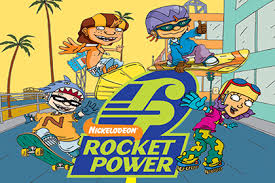
This week there were three main areas of focus in class: Fandom, Uses and gratification, and Galaxy Quest. Fandom can be described as the state or condition of being a fan of someone or something. This is something we see each and everyday, whether it be from ourselves or others around us. Often people fall into a fandom that suits their interests and the other people within that group more times than not hold the same interests. For me growing up on the beach I have always been bug into surfing and skating, therefore when the show Rocket Power came on you could find me with my ass planted on the couch in front of the television because I was a huge fan. Everyone has their own thing and often more than one. Fandom is important to the industry because without fans there would be no one to produce for. Also fans are the ones who drive companies to be better and grow upward.

Image result for Fandom rocket power

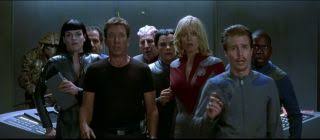
Speaking about the importance of fandom, in the screening of Galaxy Quest this week it was the fans who saved the day in the end. When it comes to fandom though, it is important that the fans and actors have a mutual respect because if the stars are not giving back to their fans than they will quickly lose them and in turn lose their job. If it had not been for the unbelievable amount of knowledge a group of friends had about the television show then all of the actors in the crew would have died in the clenches of an alien villain. Although fictional space alien wars and what not are usually not my cup of tea, I did find myself enjoying the film.

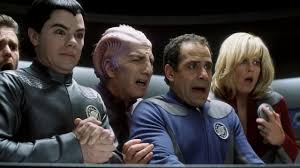
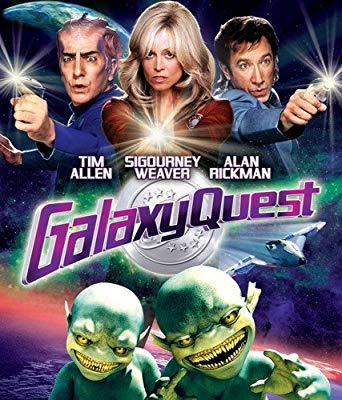
Image result for galaxy quest

Uses and gratification theory is a rather simple one to understand, it focuses on the reasons that people use certain pieces of media for any given reason. In my case, If I have a couple minutes of boredom I will open up my Instagram app and just scroll through instead of sitting and staring at the wall. There are many other reasons such as some that we spoke about in class such as having the television on to null the silence and have some other voices in the room instead of being alone. In some other cases people will use social media as their main source of information, for example a lot of people will scroll through twitter to get the latest news. The lessons this week were very relatable.

-Shane Weber

Fandoms and Galaxy Quest

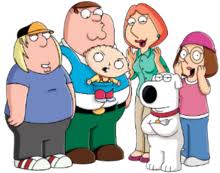
This week in class we learned about fandoms and how they can effect the entertainment industry. Fandoms are groups of people who are all really into a show, movie, comic, or game. They are all different types of people including their age, gender, beliefs and much more. People in these fandoms are called fans, people who have a strong interest in or admiration for a particular person or thing. By taking in these things the entertainment industry must provide these fandoms with what they want. They can bring in massive amounts of views, money, and support if they satisfy their needs. For example when the first time Family Guy stopped airing on television there was a huge uproar about it because people did not want the show to end and were upset that it did. Finally, Family Guy came back on the air, but the creator was not able to the all the things he wanted, he had to gradually work back to where he could put whatever he wanted on the show.

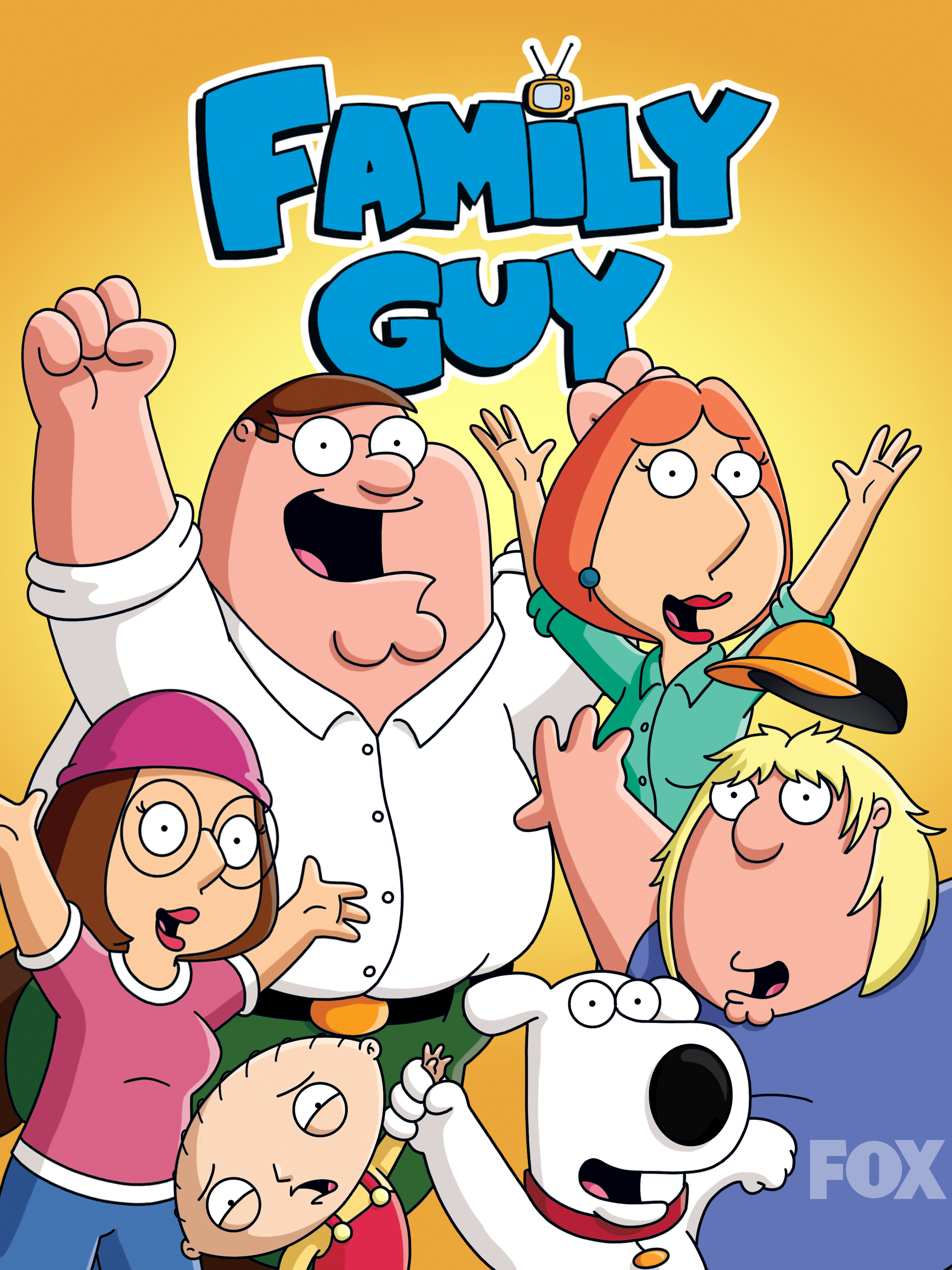
Image result for family guy
Family Guy was and still is one of the most popular adult animated television series.

Knowing the impact that fandoms have on movie franchises and television series, entertainment companies should even more events than they do know so that they can make more money, but it is also a place for fans to interact and spread the love they have for the fandom they are in. Another great example of a fandom that we watched was Galaxy Quest. At first I did not know if I was going to enjoy this movie, but it turned out to be very funny and it also showed how fans come together for the things they love. The movie is like Star Trek, even though I have never watched I can still see similarities between the two, but Galaxy Quest brings us into the real world and we see the many devoted fans going to conventions and meeting people, but to also meet the people they loved to watch and get their autographs, or ask them questions about their adventures during the show. It was also great to see how when their heroes were in trouble and they called upon their fans and received help from them which made their days and made them feel special. People in fandoms have something very special that not everyone else may have, they have a community that they can turn to for help if they need something.

Image result for Galaxy quest

Fandom

This week in class we discussed the big topic on fandom. “Fandom as a whole is a subculture that celebrates a mutual bond formed between people over a book series, TV show, movie, band, or other form of pop culture.” (Morrison, 2016, para 1). Fandoms are not about pointless things, it’s tied in with turning into a network fixated on the adoration for, and energy for something. It’s about fellowship, comprehension, and opening entryways and pathways that you never knew existed. To put it plainly, Fandom is digital empowerment. From streaming content to interfacing through social media life to making fan works. At the point when we got fit for devouring, interfacing and making without anyone else terms, with access to large numbers of other people who share our enthusiasm for a show, motion picture, book, story, character, sport, band, craftsman, computer game, brand, item, hobby, and so forth., the intensity of being a fan started to appear. As a business major, all of this is interesting and relates in a way because there is research that comes with this for example, ” In research,  In research we conducted last September, 85% of those surveyed reported being fans of something – 97% in the 18-24 age range” (Kresnicka, 2016, para 4). In a way, fandom is similar to brand loyalty, except with fans being loyal to their favorite TV show, movie, book, etc.

https://www.thedailystar.net/shout/life/why-fandoms-are-important-1580551

https://www.theodysseyonline.com/what-is-fandom-and-why-is-it-important

Image result for galaxy quest

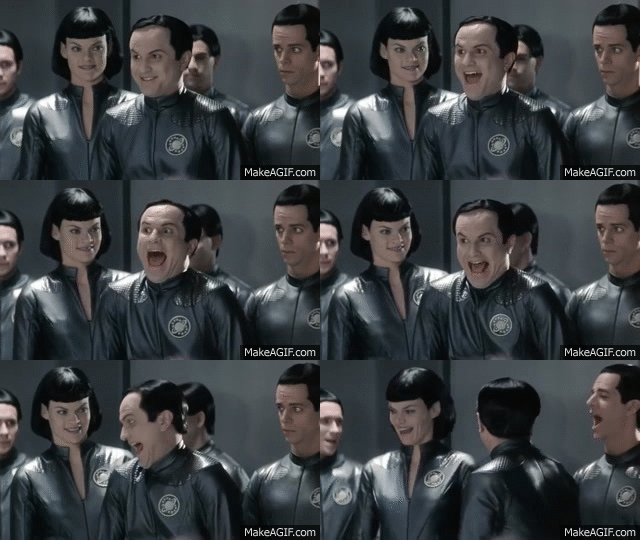
We then watched Galaxy Quest which manages the possibility of being a fan and how big names treat their fans. I feel as though Galaxy Quest caught everything without flaw, the shows, the ensembles, the nerds, the groupies who go to cons searching for kicks. It paid heed to all the sci-fi platitudes, recognized them, and afterward bent them to its own comedic purposes. The cast are generally praiseworthy in their jobs as ex sci-fi stars who get slung into the genuine article and need to spare the system. What makes a great movie great is constantly an incredible story. The entire thought of on-screen characters from a quite a while in the past space arrangement being confused with being the genuine article by real outsiders is very cunning. Galaxy Quest got the outlandishness of being a fan, yet too its inspiration. At last, the disrupted and basic performers found quality and essentialness in comparable characters which stereotyped them. The geeks had a significant effect. The saints won. The miscreants gave excitement to masses of fans, which is the thing that I think being a fan and sci-fi is about. The whole cast was brilliant, particularly Tim Allen and Alan Rickman doing their best Shatner and Nimoy impersonations. However, out of every one of them two truly shine for me. Alan Rickman, whose outward appearances all through the film simply make you chuckle and Sam Rockwell, who plays the “additional crew member” who’s constantly persuaded he will get murdered in light of the fact that he’s no one important and not one of the ordinary cast.

Image result for galaxy quest

The Power of Fandom

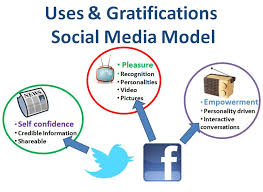
Image result for u&g theory

During this week of class, we started to discuss the U&G theory. The U&G theory is to show the amount power and influence the fans really have over media. The fans do not even realize how crucial their opinions are for media corporations. They decide whether any type of media lives or die. The theory is based off of the trends that viewers tend to gravitate towards. The viewers look for affective, social integrative, and tension free media. I personally look for affectiveness in television shows or movies. I like to feel involved with the characters and feel what they feel because then I’m more intrigued and really get into whatever is on. I tend to watch television series with a lot of twists and turns. I find it way more enjoyable to always be on toes while watching something. It’s the unpredictability that I find to be very important for a show or movie to have. It really forces the viewer to pay attention and continuously analyze everything because you’ll always be thinking what will happen next.

Image result for family guy
Image result for fan base

A strong fan base can effectively alter an entire television series or a movie. The fans are always analyzing every little thing about a series or movie because they want whatever is to be perfectly in tune for every die hard fan. It usually will be the most intense fans that always find something very crucial or very minute detail that the producers messed up. Fans literally put themselves in the fictional stories but they live it in the real world. These are the ones that truly believe the fictional worlds that are created for entertainment are how they should be living their lives. Although some fans can be overly attached, they have the power to bring an entire series back to television. It was the fans to bring back the show “Family Guy” back to Fox.

Image result for galaxy quest

We also watched the movie “Galaxy Quest” which was about the cast of a television series called Galaxy Quest who are visited by actual aliens who believe the series was a true depiction of an intergalactic conflict and the cast is then brought onto the aliens ship to help them with their intergalactic conflict. This movie was supposed to show how crazy fans could really become. The aliens were the type of fans that truly believed the cast were their characters they portrayed and that the problems they faced during the show were real. I found the movie to be entertaining because there are fans in the real world that would go to the extents of the aliens did.

-Noah Soriano

The Story Of The Fan

This week in class we really focused on the power of the fans. In other words, we learned about the uses and gratification theory. The Uses and Gratification Theory is an approach to understanding why and how people actively seek out specific media to satisfy specific needs. UGT is an audience centered approach to understanding mass communication. It assumes that audience members are not passive consumers of media, but are actually active with their favorite shows. This theory mainly focuses on the view of the audience, and how the fans actually consume the media. Me personally I am a fan of many types of movies and TV shows. Some of these forms of entertainment include the Marvel franchise, Game of Thrones, and the Star Wars series. I absolutely love the Marvel universe and I think everything they’ve done so far has been incredible, and I’m very excited to see where the franchise is going to go from here. As much of a fan I am of Game of Thrones I was very disappointed at the final season, but hopefully with the power of the fans the creators will actually produce something better than that. Or if they make a very good prequel to the story. The power of fandom really has endless powers. For starters, the power of the fans actually brought a TV show back from the dead. Family Guy was not in production for quite some time, and then suddenly by the power of the fans the show came back on air. This is just one example of what the power of the fans can really do.

Over the duration of this week we watched the Movie Galaxy Quest, which starred one of my favorite childhood actors, Tim Allen. This movie is exact representation of the uses and gratification theory. This movie is based on a spoof of the classic Star Trek. I thought this movie was very good and I enjoyed it thoroughly. I found it funny how everything they have been doing for the past decade actually became they’re reality. Tim Allen played an excellent role in this movie, He really was caught off guard by the entire situation that he got himself into. He just thought it was a normal gig, but in the aliens reality he was saving their world. This movie is the foundation of fandom, since people were such fans of Star Trek they thought of an idea to make another type of Star Trek movie. Overall great movie and great week of class.

U & G Theory and Galaxy Quest

This week we started class with a discussion of the uses and gratification theory. The uses & gratification theory is an approach to understanding why and how people actively seek out specific media to satisfy their specific needs. People use music, books, film and television to fulfil their cognitive and affective needs. People use media to increase the self-esteem and to measure their status in society. Certain individuals also seek out social integrative needs to receive validation and credibility. These individuals socialize with family and friends to develop or retain relations in society. They view similar forms of media and find commonalities within that media. This helps these individuals create relationships with others that share the same interests, likes and dislikes. Others however, use media as a means of escapism and to relieve tension. The twenty-first century has many different forms of media allowing certain individuals to be alone or as a way of coping with loneliness.

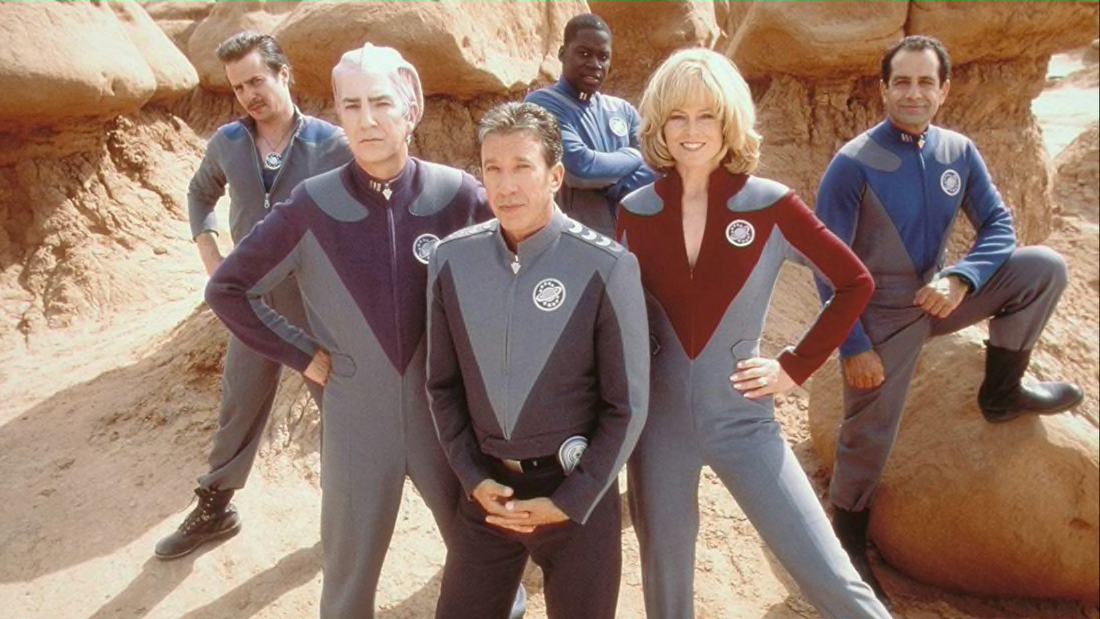
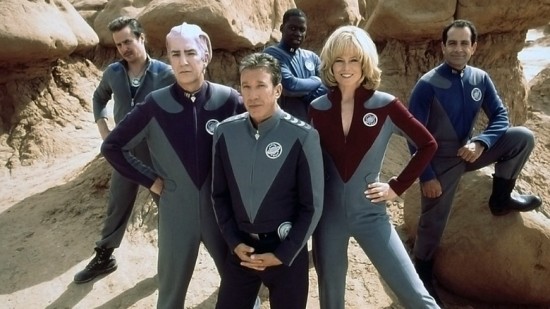
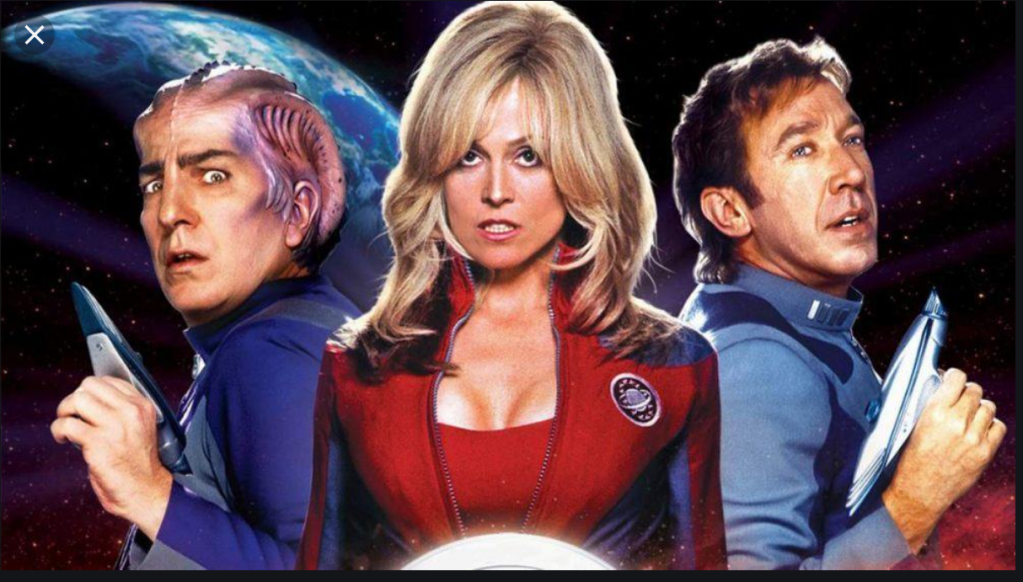
In class on Wednesday we finished viewing the film Galaxy Quest. Galaxy Quest is a 1999 American science-fiction comedy directed by Dean Parisot. The movie is a parody of the Star Trek series and all the fandom it attained throughout the years. The parody stars Tim Allen as Jason Nesmith, who played Commander Peter Quincy Taggart, the commander of the NSEA Protector and main character of the series. The film also co-starred Alan Rickman, Sigourney Weaver, Tony Shalhoub, Sam Rockwell and Daryl Mitchell.

The cast of Galaxy Quest

Galaxy Quest begins with the crew of the canceled space-adventure television show at a fan convention receiving introductions and signing autographs. Jason Nesmith embraces and loves the attention he receives from his fans; while his supporting cast resents and despises him for “soaking up” all the glory. The plot of this science-fiction parody shifts towards a group of people called Thermians. The Thermians are represented by Mathesar and approach Nesmith with an issue of life or death. A group of Aliens threaten the remaining Thermians and they request help from “Commander Taggart” to save their race. Nesmith thinks this is all an act and agrees to help the Thermians with their problem. The following morning he is transported to the Protector (Thermian spaceship) and addresses the leader of the hostile aliens, Sarris. Nesmith, still unaware of the danger at hand, orders Mathesar to fire on Sarris’s ship and then requests to return home to sleep off his hangover. At this time, he is shot into outer space back to his home in a matter of seconds. Nesmith now realizes the situation at hand and rallies his crew to return to the Protector. Sarris’s ship and crew still remain and have an epic showdown against the Galaxy Quest crew and Thermians. The film ends with the destruction of Sarris’s ship and crash landing of an escape pod into a convention. Sarris’s finally attempt to kill the pestie humans is foiled by Nesmith with a swift laser beam to the chest. This all unfolds in front of the Galaxy Quest fans and the crew receives a standing ovation as they bow on stage. This film encapsulates comedy, action and heartfelt moments throughout the movie. It is a well rounded movie and is great for the whole family.

Written by – Samuel Erickson

Fandoms, Theories, and Series

Fandoms. Everyone has at some point in their lives been a part of one. Whether you were like me and hung a billion and two posters on your bedroom wall for the bands you loved as a teenager, or you saw every Star Wars film on opening night, we have felt an obsession or gratification from being a part of these fandoms. Our screening in class this week was of the film, Galaxy Quest which was a movie inspired by the Star Trek original television series and its’ iconic fan base. 

Image result for galaxy quest v star trek                                            Image result for star trek

The film follows a group of actors that play main roles on a television series very similar to Star Trek. The crew of actors ends up in outer space, where they discover that a whole alien race has religiously followed their television show. The alien race known as the Thermians believes that the episodes from the show are factual, historical documents that display events that actually took place. 

Image result for galaxy quest aliens gif

The actors must embody their characters from the show in order to complete their mission in outer space. However, when problems arise that they cannot solve they turn to the shows’ biggest fans on their home planet, Earth. The films’ most significant theme is this: large fan bases are the sole reason why franchises like Star Trek exist and are significant in modern culture. They create a platform to build friendships, communicate with the creators, and simply entertain and pass the time. 


Fandoms tie into the Uses and Gratification Theory, and why we choose to consume media in the first place. This theory discusses how the audience and creators engage with each other when consuming media. It suggests that audiences are active participants in exchanges of media. Contrary to the Effects Model which suggested that audiences are passive, and will listen to whatever the media tells them. 

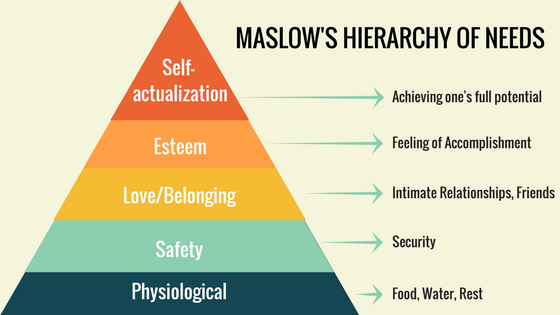
Image result for hierarchy of needs

The Uses and Gratifications Theory actually plays into Maslow’s hierarchy of needs. Media can satisfy our need for social connection and self-esteem. Media has four main uses: seeking information, creating a sense of personal identity, building personal relationships, and creating a diversion from the real world. Anyone who consumes media does so for these reasons. Most of the media I tend to consume is either meant to pass the time or for research and information. As a busy college student, media platforms such as news broadcasts allow me to easily access information about what the hell is happening in the world. To be completely honest, I have stopped watching the news because networks tend to put political spins on stories and only seem to report about the worst possible events.  I am sick of hearing about the Earth dying in the next fifty years and how our president is a complete buffoon. What will always grasp my attention is comic relief. Whether it is old episodes of Monty Python’s Flying Circus or new comedy specials from John Mulaney,  I can always count on ridiculousness and satire to relieve me from our gilded reality. 

Galaxy Quest, U and G Theory

This week in Mass Media, we discussed the U and G theory, or the Uses and Gratification theory. This theory is an approach to understand the reasons of how people seek out specific media for their consumption, satisfaction of their needs and why they do it. So basically, it is how we as people control media to our own advantage so we can integrate it into our everyday lives. We have all had a part in this one way or another. We come home from class or work and the house is empty, nothing going on. No noise, no people. Turn on the tv just because we need that extra background noise just to keep a ‘sane’ feeling. With that ‘sane’ feeling, we as consumers are satisfied with what’s happening. We all go through stressful days in some way. Hard days at school, work or just a hard day in general. So, we do the little things that will take away that feeling. Most people I know, as well as myself, binge watch certain tv shows whether we have seen it a million times or not at all. Consumers find the little things to achieve that satisfied feeling.

One of the examples that satisfies this theory was a movie we watched in class called, Galaxy Quest. If you have ever seen Star Trek or anything close to it, this movie falls into the same category, with a little bit of a twist. For starters, it is like a movie inside of movie since the actors in the movie are all actors on the show, Galaxy Quest, which is the tv series depicted in the movie. What starts as actors not enjoying the television series and getting sick of it, ultimately brings them to the real-life version of the show. As well, fans become part of the reality too.

Most fans and consumers who watch television shows, understand that it is show based on fiction of the universe. However, there are fans that search for the reality of the show on their own. In the movie, there were ‘superfans’ who basically study the show in their free time along with watching it. Why do they do that? Simply, for satisfaction as mentioned before. When the actors get caught in a bad situation when things get taken more serious outside of their show, they call upon the superfans, who pay attention to a little more detail than the actors themselves. With their knowledge, they can get the actors out of their problem to find success. Consumers focus strictly on their own satisfaction, for their gratification needs. Whether you’re a superfan or a casual binge-watcher, we all search for specific satisfaction through specific uses.

Jason Berardicurti

Crazy Fans

This week we watched a movie called Galaxy Quest, a movie about a TV show that has a huge fan base, and the actors have to experience the show in real life with the help of some fans. we watched this because it was a good example of the Uses and Gratification Theory, the idea that fans and audiences have consuming power in media, and the entertainers have to appeal, rather than just present to the audience. You would think movies or shows from big studios are guaranteed to be generally enjoyed, but the people have the power to collectively determine what deserves recognition and what doesn’t. Audiences consume media to attain some form of gratification and desire. If they can’t achieve their desired feeling, this leads to negative feedback. The theory divides these gratifications and needs into five categories, cognitive, affective, personal integrative, social integrative, and tension-free.

Cognitive needs are the need for something intellectually stimulating, to get a person’s mind thinking or learning something new. People achieve this through documentaries, the news, and how-to or educational videos that provide useful information for other times in life.

Affective needs are the need for emotional stimulation, getting us to feel and enhance emotions based on what we’re consuming. People watch love movies when they’re lacking or flourished in love, and the same for the need for laughter in comedies. Affective needs allow ourselves to emotionally connect and reflect with the media or the characters within.

Personal integrative needs allow us to compare and seek out traits within media to solidify our own beliefs and values, looking for reflections of one’s self. This is especially present in movies and TV shows, people fall in love with characters because they appreciate their actions and relate it to their own.

Social integrative refers to people connecting with each other through media. With the surge of the internet and wireless technology, this need has been especially prevalent as people feel more need to connect with others no matter where they are on the planet or time. Social media has become the main canvas to consume this gratification, as it’s built entirely around this concept.

Tension free is like a break from society, an escape from everyday duties where people are indulged in their own fantasy worlds while consuming media. This often comes in the form of fiction/science fiction movies, shows, and novels.

In the movie Galaxy Quest, many of these needs were on full display for the fans. The aliens that worshiped the “historical documents” (the TV episodes) used it for cognitive consumption, basing the entirety of their society on the principals of the show. The fans that helped the commander at the end of the movie experienced cognitive as well as personal integration, idolizing the actors for their heroic acts and complex ship systems. They also displayed strong tension free needs, as the kid was trying to enjoy what he loved but his mom kept nagging him with chores and responsibilities.