How Media affects our Lives

Media is in our lives and here to stay, everyday we check our phones go on social media for multiple hours, multiple times a day. We are constantly glued to our phones, television and laptops we never stop and put them down. With all the social media apps it is hard to get away from. Media and especially social media is getting bigger and more useful for everyone.
Image result for media
Some of the apps we use on a day to day basis.

In today’s society opportunities arise everyday just from social media. We can get all of our news straight from our phone, some of it is questionable and must be open to believe it. This is because anyone can post anything which means people who lie have a voice as well. Just because there can be fake news online doesn’t mean that social media isn’t trustworthy, there are plenty of trusted account that will tell you everything you need to know. It is also great for keeping up with all of your friends and family and even meeting new people. But because of this there a plenty of mean people in the world and being online allows them to say and post anything they want with no consequences most of the time. We can block these people but they can just make a new account if they want. These people can make you feel bad and for no reason, because of this social media can be a mean and hurtful place. It can cause stress and anxiety, and all other mental and physical health issues. The world can be a very hateful place especially with social media being right on our phones. The only thing that we can do is to not feed into it and fire back with more hate because that will solve nothing. So the best thing we can do is to just brush it off our shoulders and go on with our daily lives and not letting it affect us.

Image result for cyberbullying
All of the thing that people do on social media and how it affects us.

Social media is a great place for many of reasons, but we have to be careful with the news we receive and all the mean people online. There are many opportunities presented in social media and we should take advantage of that, but we do need to be careful about what we post, because anything posted can be seen by a future employer even if you are private, from a long time ago, or if it was deleted.
Media Effect in Society

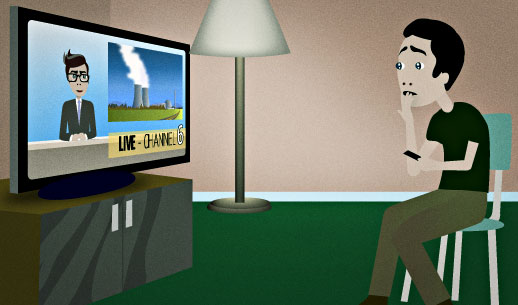
This week in class we discussed theories in which are believed to have effects on humans from forms of media. The main focus was the Gerbner Theory. The theory examines long-term effects from television. The main point of the theory is that people begin to have a sense of “living” in the fictional world of television, and begin to align their real life with it. For example, a regular every day human that watches a significant amount of violent TV will be scared of going out into the everyday world, as if the acts they are seeing will potentially happen to them.

I found this theory really interesting. The fact that one can become so entrenched with the fictional world, that they start to have fears based around what they are viewing for their own leisure. It is easy to see something repeatedly in a show and maybe have the thought in your head “Wow, that would be insane/scary/cool” but it is another to have a legitimate emotional issue with it.

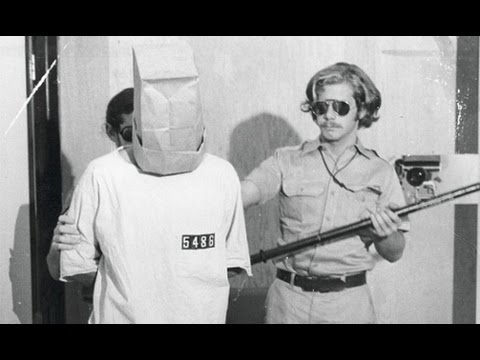
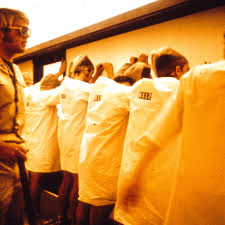
The other interesting and also stomach turning show we watched in class was The Big Picture. It was a compilation of clips from human behavior experiments to show how humans react in new/different situations. The Stanford experiment by Zimbardo was fascinating to see how average people change and adapt based on a simulation. Zimbardo set up a fake prison in Stanford U’s basement. He then collected volunteers to be either prisoners or guards. After about a day, one guard specifically became infatuated with the power and ran with it. A prisoner had a mental breakdown in a couple days, even though he knew it was simulated. The guard just became really wrapped up in his role, despite knowing he was not actually a prison guard.

I was really shocked that people can know they’re in a simulation, and become into their role so much, that they basically believe it as real world. The guard was interviewed for the show and he even acknowledged that he knew it was fake and he just simply got carried away. It is hard for me to imagine that I would crumble to the power I hold in an experiment, let alone real life. However, being the prisoner in that situation would not be enjoyable, especially if I had no offenses, I would not want to be dehumanized.

The effects of media on society theories sound quite outlandish and hard to believe. The human behavior experiments shine a different light on the matter. Humans, some more than others, are very susceptible to change in behavior given a strenuous situation. The lady in the McDonalds strip search interview said it best, “You never know what you would do unless you’re there.”

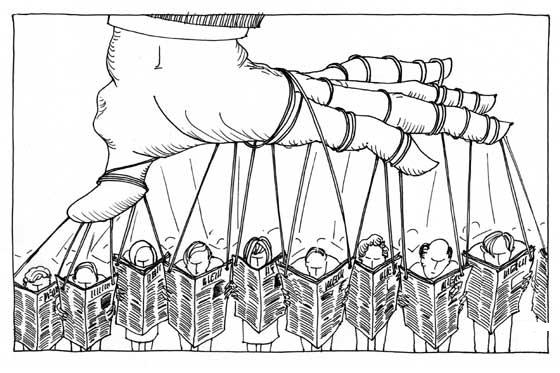
Human Puppets

Over the past week in class we have gone in to pretty great depth of the connection between people and the media. Along with that, we focused on how the media has a way of choosing for the people how they should feel and what they should think. Sprinkled in with the effects of media were a couple examples of past experiments that truly changed the psychology world as well as the real world.

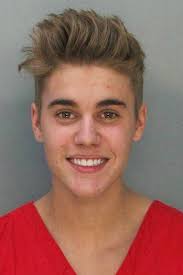
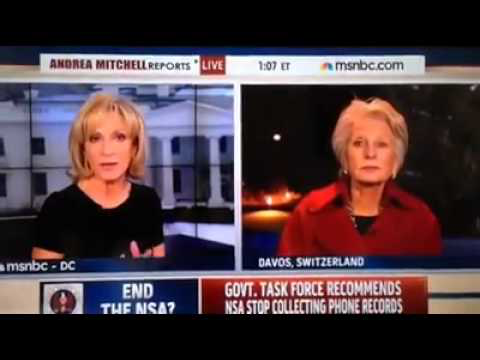
The theory used when talking about how the media tells people what to think is “Agenda Setting theory”. The definition of agenda setting is fairly straight forward; the media picks what they want the people to know and only show the one side that they agree with. In layman’s terms, the media outlets show certain things that they want the people to see while withholding other information that may be pertinent to the story. An example of this that was used in class was when MSNBC cut off a congresswoman speaking about important things going on in our country, to tell everyone watching that Justin Bieber had been arrested for street racing. In a case like that it is simple to see that MSNBC may not have agreed with what the congresswoman was speaking about so they just shut her down. We can see instances such as this all over but we must be aware that it is going on.

Image result for agenda setting

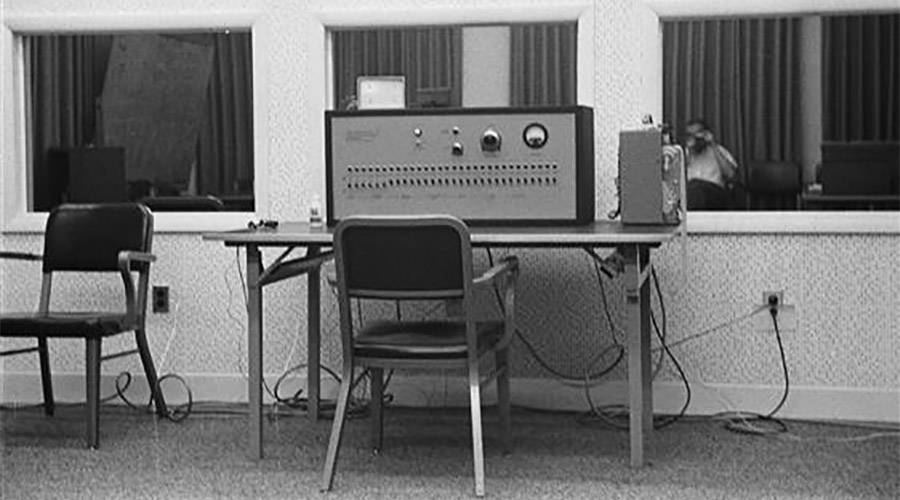
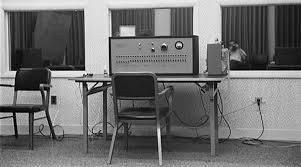
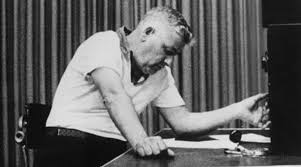
Moving into the social experiments, the first one we spoke about was the Milgram Shock Experiment. Stanley Milgram was a professor at Yale University when he conducted this experiment in 1961. The basis of his experiment was to find out how far people would go with something if they had someone of an authority position was telling them too. In Milgrams experiment he had random volunteers sit behind a device which they though was shocking someone in the next room (even though the person in the next room was part of the experiment and not getting shocked at all). they would then read questions and deliver a shock for wrong answers. Milgram was very surprised to see that many people went all the way up to fatal shock levels simply because he had a doctors coat on and was telling them too. This shows that people respond in a certain way to authority.

Image result for stanley milgram shock experiment

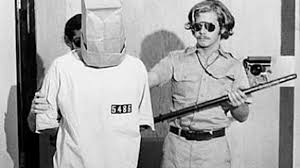
The second experiment was the Stanford Prison experiment put on by Philip Zimbardo while he was a professor at Stanford University in 1971. In this experiment Zimbardo split the volunteers into two groups (guards or prisoners). As the experiment progressed you could see how the guards started talking the role a little too serious and began to actually mentally mess up the prisoners. They were in a position of power and began to abuse it. This is connected to agenda setting because the media outlets abuse their power and just tell people what they think the people should know.

Image result for stanford prison experiment

People should be aware of the agenda setting that is constantly going on and not let it decide their views. We should be gaining our information from multiple sources so we can choose our own outlook on anything.

-Shane Weber

Comprehension of media with Professor Schlegel

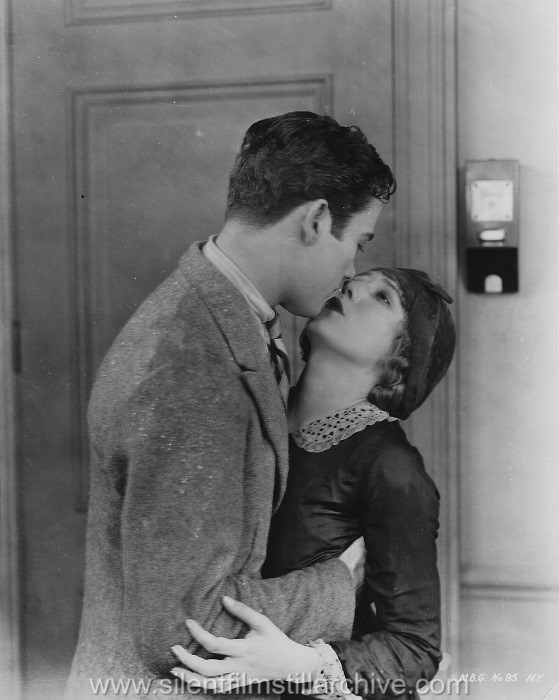
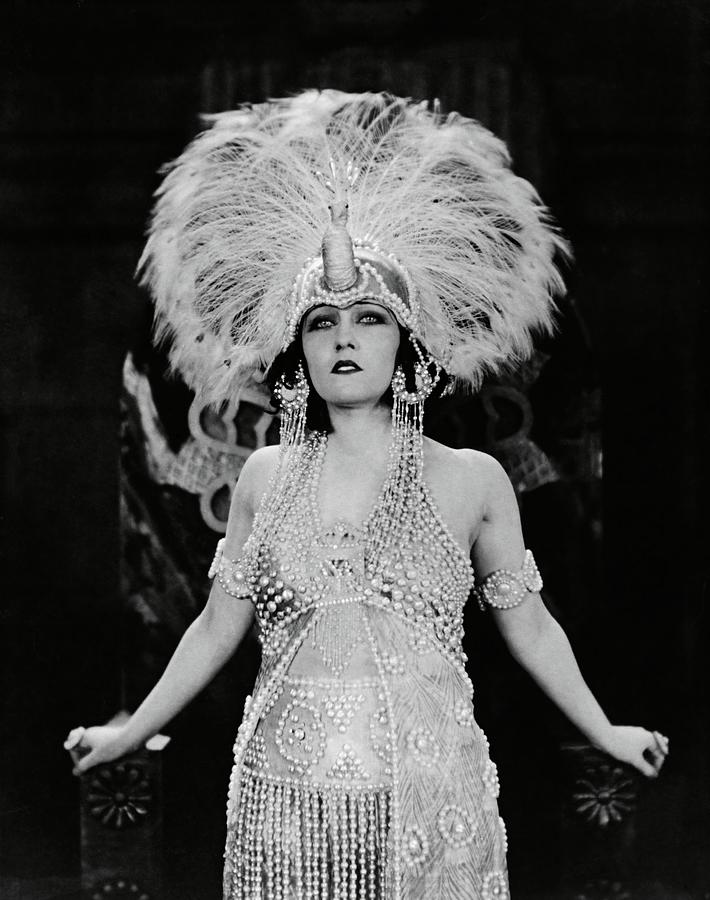
The film we first viewed on Monday was called Why Be Good? The short film illustrated the struggle of sexuality and security in early cinema. Movies of the 1920s were raw, uncensored and depicted the radical change of culture in the United States, particularly in Hollywood. Early films showed drama, sex and scandal at a time where there was little to none censorship or coverage on the production of films. Actresses that had a major impact and influence on this era were Mary Pickford and Glory Swanson. Mary Pickford performed in films such as My Best Girl, Coquette, Sparrows and Little Annie Rooney. Mary’s characters were extremely attractive, warmhearted, generous, funny but were also independent and fiery-tempered. Glory Swanson starred in movies such as Sadie Thompson, Male and Female, Why Change Your Wife and Beyond the Rocks. She was full of energy, always on the go, fidgety, and hyperactive. She had great ability to put thoughts into action, and there is no hesitation once she set her mind on something. This era of film was the building blocks of what was accepted, appropriate and allowed in future years of film and cinema. Within twenty years the population of Hollywood grew eight times its original size.

Mary Pickford in the film My Best Girl (1927)
Gloria Swanson staring in the 1919 film Male and Female

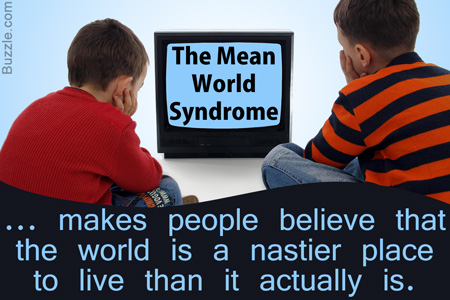
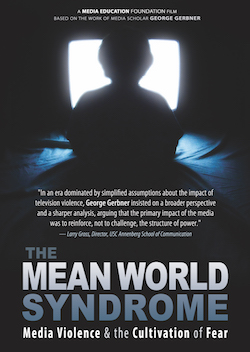
The second piece of film we watched and observed this week was a short documentary called Mean World Syndrome. Media today is engulfed in depicting violence and destruction in everyday-life. The documentary highlighted the effects of heavy users of television and the Cultivation Theory. The large consumption of television can lead consumers to view the world as more dangerous, mean and violent than the world around them actually is. This viewing of violence may create fear and paranoia where there is little threat or actually harm. The theory is not based on race, age, gender, religion, marital status, sexual orientation or economic status. Other theories believe mass consumption of violence can make or influence individuals to become more violent. This is quite the contrary however, the more television consumers view the less likely they are to act out of the ordinary and put themselves in harms way.

The last piece of film we viewed on Thursday was called The Big Picture with Avi Lewis. This show portrayed ordinary people creating heinous and unthinkable crimes. An example of this is when four fraternity brothers killed a young man and never called for help. The initiations to join their frat started out as simple acts of embarrassment but lead to serious consequences. The fraternity brothers made the young man drink an excessive amount of water followed by exercises such as pushups. The over consumption of water mixed with the strain of exercise on the body lead to severe kidney failure. When the man collapsed on the floor the brothers simply dismissed the fact and said he was “sleeping”. This of course was not the case and the male ended up dying several hours later. The four brothers pleaded guilty and will have to live with their cowardice decision for the rest of their lives. The show also discussed human behavior experiments and peoples blind obedience to authority. Several years ago at a McDonalds, a man impersonating as a police officer called the fast food restaurant explaining there was a complaint of theft and drugs. The manager ended up strip searching the employee in question and had her perform several ridiculous tasks. The man spoke with such confidence that the manager never questioned his authority. After a few hours, without the arrival of the police, the manager realized her mistake but the damage had already been done. The suspect impersonating the officer had pulled similar pranks on multiple restaurants and was never apprehended.

Avi Lewis

By – Samuel Erickson

Social Science and Human Behavior

Human behavior can be changed by a almost anything. Studies attempting to discover why date all the way back to the 1920’s. In the first attempt to study media affects from 1929-1932 scholar Herbert Blumer led a group of scientists in conducting a series of studies aimed at discovering the overall impact movies have on children and adolescents. This research is now referred to as the Payne Fund Studies, named after the private foundation Payne Fund, which provided the financial backingnecessary for the project.

Agenda-setting describes the way that media attempts to influence viewers. News broadcasts use this theory to “help” viewers decide what is the most important issues in the world at that moment. In class, we looked at a video concerning a former congresswoman that was interrupted by breaking news, it must be something very important to the world, right?

WRONG. Justin Bieber got arrested, what a tragedy.

At least he is smiling for the camera !!

We also watched a film concerning human behavior and how it changes based on obedience to authority.

In May of 1962, a human experiment was conducted using a shock method. The subjects were unaware of what he was really studying. He used teachers and students and led them to believe that the students would learn better when they are shocked, however, the was really testing how far the professors would go on the voltage. Some teachers questioned it and stopped while others went to the highest voltage they could because that is what they were told to do; it doesn’t matter if it is ethical.

There was also an incident in a Mcdonalds where a random caller pretending to be a detective called a manger accusing a teenage girl employee of stealing. The caller then instructed the manager to strip search the young girl, and then call in her fiancé to keep an eye on her. Neither of the two adults questioned the caller and things were taken way out of hand and a sexual act was instructed by the caller and the fiancé made the girl par take in the disgusting actions.

Studies show that people are less likely to help in a situation if they are in a group of people. They will wait for someone else of the group to take action first. However if they are by themselves, then they are more likely to act out and do something about it.

An example of this is fraternity boys practically watching and letting a pledge die because of hazing gone wrong. Another is when a woman was stabbed to death, her scream heard by at least 30-50 people and none of them called the police. One person did, but it was far too late to save her.

Another experiment concerning obedience to authority was the Stanford prison experiment held in 1971.

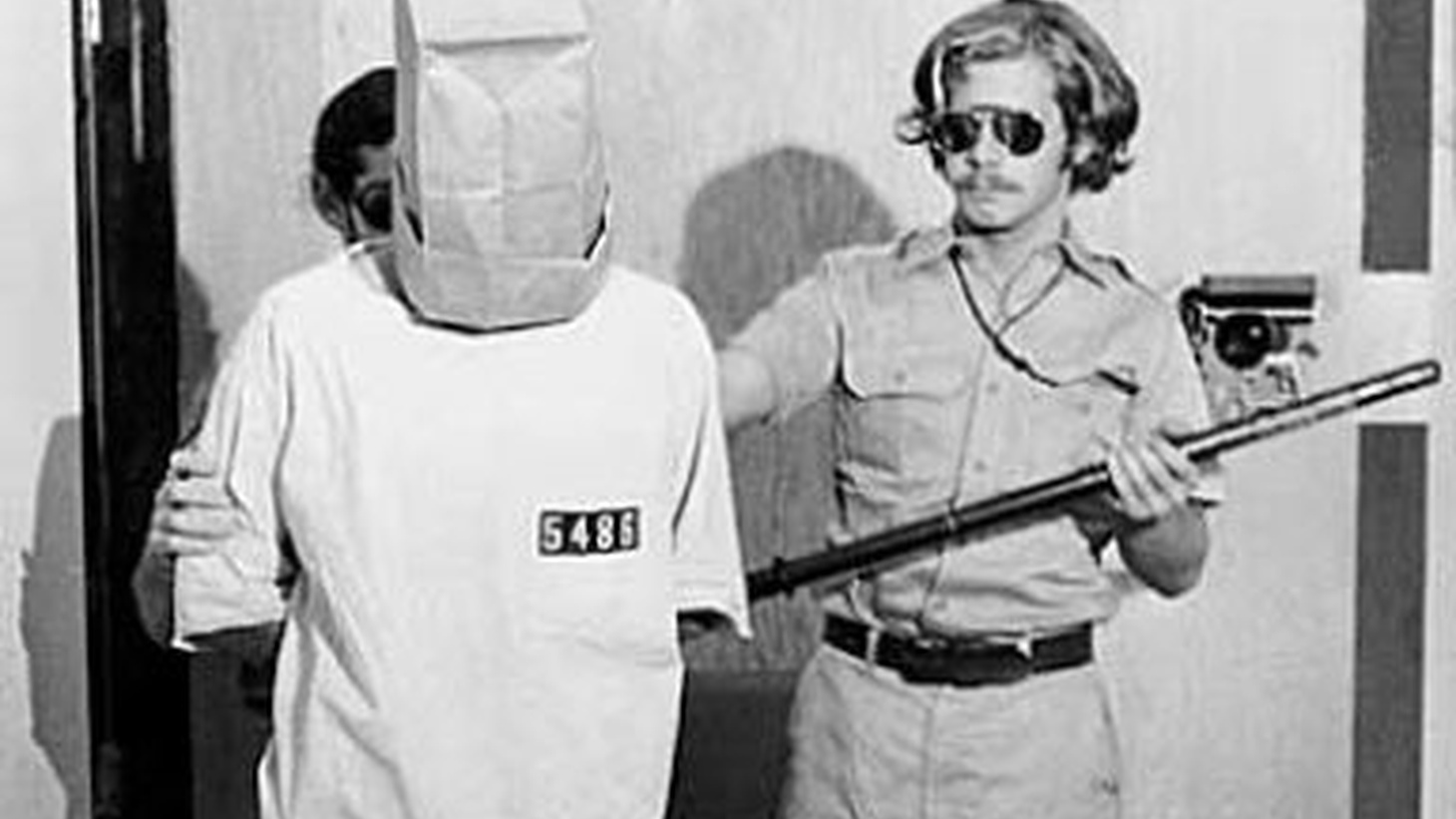
They had 70 men volunteer to participate in the experiment and they ended up taking the 24 strongest and healthiest. Guards were given a uniform while the prisoners were practically dehumanized by getting numbers in place of their names. It was taken as a joke at first, with the prisoners rebelling the first night. But then one of the guards decided to step up and be the hard ass and make their lives a living hell. By the second day some prisoners were taken into solitary confinement. Prisoner 8612 suffered from a mental breakdown and was sent out of the experiment. The guards continued to force the prisoners to perform weird things, they even made them preform a skit tell each other that they loved each other. There was another mental breakdown however the guards kept pushing the prisoners because nobody was telling them when enough was enough. Things got way out of hand to where it felt real rather than an experiment. One of the guards fiancé’s came to visit and saw the horrors of the prisoners with paper bags over their heads and said that what they were doing to those young boys was terrible. She threatened to leave the guard if this was who we was becoming, thinking that what he was doing was okay. The experiment was shut down after just 6 days.

The Effects of Media

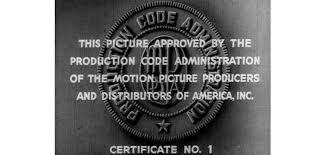
This week we discussed many things but mostly how the media can be misconstrued today. Often times we see things about fake news and how often many things on the television appear to not be true. At the beginning of the week we started talking about the Payne Fund Studies. These studies showed how children and younger adolescents reacted to movies. Many of the kids reacted in a way most may have reacted when seeing something like a scary movie. But, these studies helped show and predict the future of how some react to media as it was preformed in the early 1900s. We then watched Why Be Good which talked about censorship in early Hollywood acting and movies. It talked about Mary Pickford and Gloria Swanson who both became very big actresses and changed the way people saw them. Many just saw them as sexual symbols in acting but they really tried to just be themselves and act. Rudolph Valentino also became a big sex symbol in Hollywood at the time, one of the first males to become one as well. There were many scandals that happened like with Fatty Arbuckle and many of the scandals that ended up happening in the film industry led to the Production Code.This week we discussed many things but mostly how the media can be misconstrued today. Often times we see things about fake news and how often many things on the television appear to not be true. At the beginning of the week we started talking about the Payne Fund Studies. These studies showed how children and younger adolescents reacted to movies. Many of the kids reacted in a way most may have reacted when seeing something like a scary movie. But, these studies helped show and predict the future of how some react to media as it was preformed in the early 1900s.

Another thing we also watched this week was The Big Picture: Human Behavior Experiments. There were many experiments that happened in the 1900s. Some you could say were ethical and some you could say were not. The documentary started off with the Milgram Experiment which is very famous in psychology. Milgram studied how much someone would obey another person of authority and how far someone would go. The documentary also talked about some deaths of some people and how we have become almost immune you could say to some things that happen in society thanks to media. Media has made many people not do the right thing instead of doing the right thing. One death that they talked about was Matthew Carrington who was apart of a frat hazing scandal and eventually ended up dying from what they made him do. The guys in his frat thought he was ok but he really was drowning from the amount of water they made him drink. They ended up all pleading guilty but this just shows how people try to fit in. Media is setting standards about how people think they should act and what they should do. The show also talked about the Stanford Prison Experiment which included normal people who were then assigned the job of a prison guard or a prisoner. It was done to see how far a prisoner would go when these “guards” were authoritative figures giving them commands. Eventually though the experiment would then lead to the guards at Abu Ghraib preforming similar acts that these guards did, but way worse and too much more of an extent.

One last thing we talked about this week was Cultivation Theory and Agenda Setting Theory. Cultivation Theory shows the long term effects of what people see on the television. Much of what people see on the television may reflect in their everyday lives. People become immune and some people believe almost everything they see on TV. Their reality is then changed and we start to believe everything we see. Agenda Setting Theory is when the media puts what they think is most important at the top of the list if things to talk about. It may be true or it may not be true at all. Like we saw with the story of Justin Bieber getting arrested, the news at the time thought that was more concerning than learning about what the congresswoman was saying. Many times the media projects what they think they want us to hear first and that’s why they change the agenda.

It’s A Mean World… If You Want it To Be

When adults tell us that media and our phones are scary, they might actually be right. Although they’re probably not referring to the “Mean World Syndrome”, I’m sure they’d agree with it too. Mean World Syndrome is the idea that the more harmful and negative things we see while we look at our phones or TV, we will actually start to believe the world is a getting worse (when really, it actually isn’t). It goes as far as even saying that you’re more likely to personally encounter these harmful situations just because you’re engulfed in it. I think it definitely makes sense, although crime rates have gone down, the sheer volume of how much it’s put in our face through media makes it seem like all good is gone. This is a fear tactic used by news outlets, they know scary and tragic events are good for buzz and gets people talking about it. While it’s good to know the dangers of the world, being flooded with it can’t be good for society as a whole. I find the concept that it’s more likely to happen to you if you think about it fascinating, and pretty true to an extent. I come from a very crime ridden town in Far Rockaway, and know first hand that simply acting cool and minding your business gives you a much better chance of not being robbed. It’s the people that look nervous and out of place that become a target for people who see them as weak and vulnerable.

In terms of the ethical codes the media follow, I was pretty surprised to see how it worked. The biggest thing that stood out to me was how most of the time, media outlets do not face legal trouble for misleading or wrong information. Yeah, technically the first amendment makes it not illegal to lie, but I think the standards should go above regular defamation, extortion, etc.

What I found most interesting were the Power of Authority experiments we watched. I had seen the prison experiment and the shock experiment in psychology classes before, but applying it to media opened a whole new world of thoughts. It’s amazing what any ordinary person can convince one to do when given the illusion of authority. The McDonald’s employee strip search was very surprising though, and although I want to say she acted very incautiously, I can’t say I know exactly what I’d do being in that situation. I guess it’s a lesson to all of us to think for yourself and not let false prophets fool you.

Media Effects and Obedience to Authority

During this week, we discussed media effects and theories. One of the most popular theories in this category is brought forth by George Gerbner. Who suggests that there is a correlation between media violence and the effect it has on one’s life. This theory is known as the Cultivation Theory. The idea suggests that the more time a person spends watching television, the more likely they are to believe the world is unsafe and full of violence. Gerbner referred to this belief as Mean World Syndrome. In his research, he found that this affected people regardless of a person’s class, creed, color, or age. 


In one of our screenings this week, the focus was on how obedience to authority is used in society. The screening focused on the iconic psychological experiments brought forth by Stanley Milgram and Philip Zimbardo; and how these experiments predicted human behavior that would later take place. 


Milgram was interested in how humans complied with authority figures. His curiosity began during the Nuremberg Trials. He wondered how an army could go about wiping out an entire race of people simply based on the excuse that individuals were expected to follow orders from higher-ranking officers regardless of what they asked. Milgram set up an experiment where he hired three types of people. A teacher, a scientist, and a learner. The learner and the scientist were both actors hired to accumulate reactions out of the teacher. The scientist wore a lab coat and asked the teacher to give the learner electric shocks if they did not answer a question correctly. The learner was placed in a separate location so the teacher could not see him, the only communication they had was through an intercom. 

Image result for milgram experiment

Zimbardo’s experiment took place in a makeshift prison setting. He hired an equal amount of men to act as prisoners, and as officers. The officers were given mirrored glasses and a khaki suit while the prisoners were only referred to by a number they were given, and wore a nightgown. 

Image result for stanford prison experiment

Both experiments proved that people do not commit horrible acts solely based on the idea that they are a “bad apple”. Rather, they proved that obedience is a necessary factor for society to function. Ordinary people can commit horrible acts because they have been taught their whole lives that they must follow authority figures. On the other hand, people who are suddenly given a position of power over others can easily abuse their authority because their subordinates are expected to follow any order they command. These experiments practically predicted the events that occurred in Abu Garaib, Iraq 2003. Soldiers who had never been experienced in acting as prison guards began to humiliate and torture prisoners of war. They abused their power, and prisoners complied with their sick requests out of fear and intimidation. 

Image result for abu ghraib prison


mean world syndrome

Television, Cell phones, and other media have intertwined with our everyday life. I found the video we watched in class on Monday very interesting and its focus on the mean world syndrome that media has instilled with us. Mean world syndrome is the idea that the more negative information and news that you are shown and influenced by the more dangerous you will the world is, and on a personal level, the more likely you may think that you have the chance of becoming a victim. To expand from this it has been found that the more you feel as though you will be victimized the more likely you will be (a self-fulfilling prophecy). Gerber expressed that the more television that you watched (the more media you were exposed to), the more paranoid and fearful you may become; the cultivation theory. What is most fascinating about this theory is that even though the crime rate is shrinking drastically, the majority of people believe that it is increasing and that there is a higher chance of the day to day violence.Unknown-2.jpeg

Something else that I found very interesting was the idea that we are all born into a mediated environment. We have all constantly been exposed to media since the time that we were born, there is no “before” for us, especially our generation, just “now” the media current effects on each individual, the only thing we have to compare is comparing each others screen usage.

In the chapter we read this week we focus on ethics, what the media deems right and wrong, as well as who decides. It appears to be that it is the media’s “responsibility” to inform the general public of what is going on in our world. As the book pointed out, and I agree, I think the harshest consequence to a journalist or broadcaster is the public opinion. If the public finds out that you lied or shared an extended truth, it is your reputation and company that will get hurt, less than the consumers who will most likely stop watching or trusting that specific source.

While each is entitled to their freedom and speech, professional codes often enforce or simply recommend not misrepresenting information to their consumers.  We all have grown up hearing “not everything you hear or see on the internet is true”, while this has been preached to us from a young age I think that false information can still be quite harmful to those who may be easily persuaded, something we all may be prone to at times.

-Grace Hanlon

Media Effects & Theories

In class we discussed something called the Gerbner Theory. Our professor asked us what we thought this theory was. My first thought was that it would be about the idea that what people watch on TV and any other means of media would have a direct connection to how we act, such as becoming less violent because we fear what we see. My thought was somewhat correct, but not completely. The Gerbner Theory is based on the idea that heavy users of television would view the world as a more dangerous and violent place versus users who did not consume as much television.

spongebob squarepants popcorn GIF

I found this fascinating because it makes so much sense and I can’t believe I had not realized this before. There we studies done to test whether or not this theory was true and sure enough the heavy TV users’ answers said they were more scared of the world than light TV users.

scared horror GIF by SpongeBob SquarePantsscared dog GIF

I also think that what you watch has something to do with how you view the world as well. Speaking from personal experience I can say that since I began watching Criminal Minds I am more scared of things than I was before. There are all these terrifying stories of bad things happening to people that you could never imagine. After I watch the show I am more scared to sleep alone, or to walk back to my dorm in the dark, etc. This is because the show has scared me into thinking I need to be on alert 24/7. I don’t think that I would be as scared as I am if I had never started watching the show. Yet, I continue to watch it even though it scares me. Why? I have no idea.


Another topic discussed in class was the power of authority. One example that stuck out to me was the fast food manager strip searching a high school employee because someone on the phone was telling them to do so. Because the person on the phone claimed they were the police and of a high authority the manager felt as though she had to listen. The employee feared getting in trouble so she did what she was told. The entire scenario was crazy because I kept thinking that I would have never done those things martin lawrence police GIFeven if someone was telling me to. But then I remember that I don’t really know how I would react because I was not there. It makes me wonder what people are truly capable of given a particular circumstance.


The last topic that was discussed in class was the Agenda Setting Theory. It measures “saliency”– is there a relationship between what we think and what the mass media says to us? I believe that there is a direct connection to our thoughts and what the media tells us. The media controls what they are showing us, when they show us, and how much of it they show. With this power they are able to make us, the viewer, think a certain thing. The more we hear about a topic the more likely that topic becomes important to us. There could be a major issue in the world that is never talked about so as the public we cannot say that it is even an issue. The media has too much power over public knowledge.

Image result for media gif