More about great TV :)

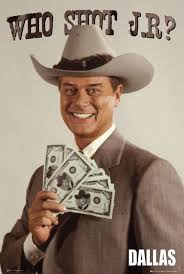
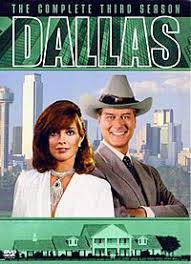
TV in the 70’s was pretty great. TV in the 80’s was not far behind though. The show Dallas became a huge hit and had fans asking “who shot J.R.?” When I googled “who shot” the first result to come up was “who shot JR?” J.R. was described as a delicious villain and a pop phenomenon at the time. You can still buy merchandise now from the iconic show Dallas.

Image result for who shot jr merch
Image result for who shot jr

The show Dallas even became a hit with magazines reporting about it!

The iconic show M*A*S*H held it’s season finale in the 80’s. There was a huge response and people said that this was the last call for the pre-cable era. It was quite literally a historical event being the number one most watched finale of all time, still to this day. It is only followed by the finale of Cheers. Cheers was a huge show during the 80’s. The theme song is incredibly catchy and I know some of it despite never even watching the show! The show Cheers gave people universal characters to love. The humor in Cheers worked and it gave people a “community.” Other shows such as the Cosby show and Hill Street Blues were popular at this time. Hill Street Blues was a show talking about the personal lives of cops. It was said to influence other shows such as Saint Elsewhere and also influenced the iconic show E.R.

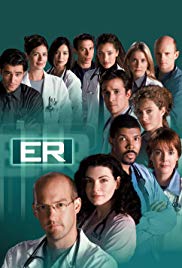
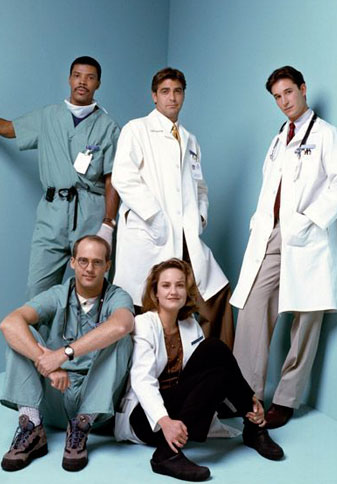
ER can still be streamed today on Hulu and is still incredibly popular despite the fact that the first season was released over 20 years ago and the show’s finale was over 10 years ago. The show premiered before I was even born! After watching one episode I understood why the show was so great. It was filled with drama and was unpredictable. It showed a glimpse into the fast paced work at the ER. The “star” of the show was the ER and not just one character (even though the characters are important). It seemed like a very “bingable” show. ER easily has a spot as a fan favorite among other iconic shows such as Friends or The Office. Each are very different shows but have proven to grab many peoples attention. It is hard to say what iconic shows are to come in the future, but it will sure be hard to compete with all of the iconic shows of the past.

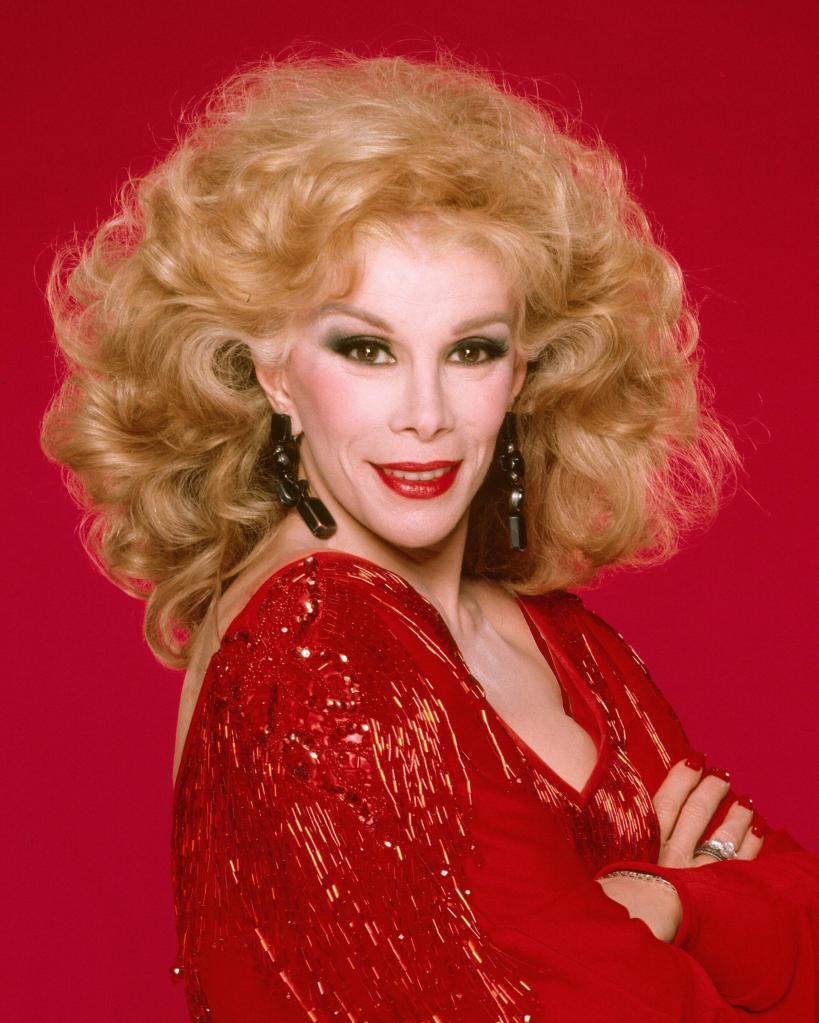
Image result for the office saying goodbye

Funny Ladies, ER, and The Eighties

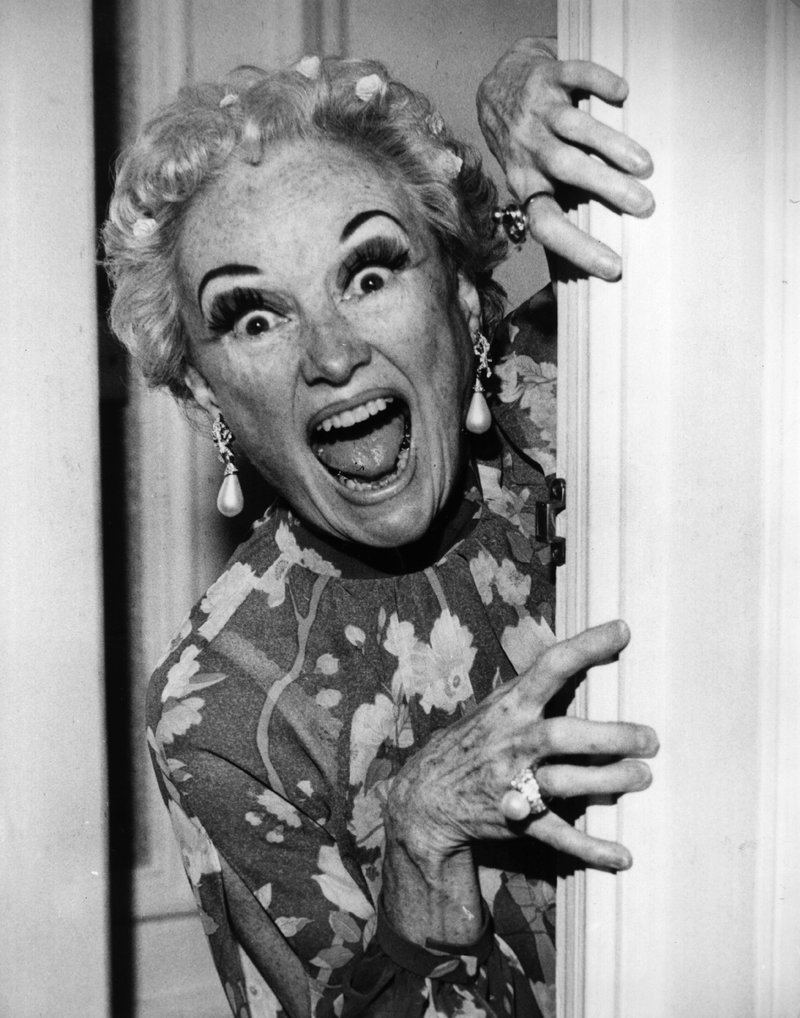
In our second week of studying television, we have discussed the Pioneers of Television: Funny Ladies and 80’s medical shows including ER and Chicago Hope. In the episode of Funny Ladies, we saw the first female standup comedians that appeared on television including Joan Rivers and the late Phyllis Diller. Funny Ladies also looked at Lucille Ball’s breakthrough on I Love Lucy and the sitcom stars who followed, including Mary Tyler Moore, Betty White, and Marla Gibbs.

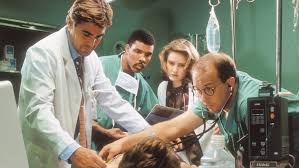
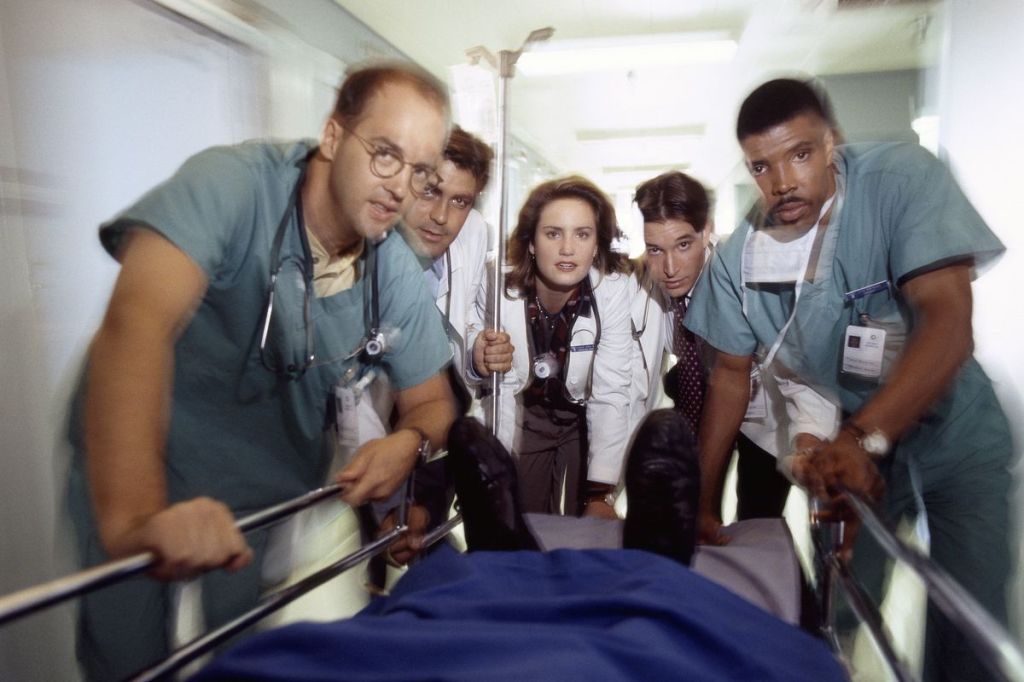
ER is a medical drama that chronicles life and death in a Chicago hospital emergency room. In the episode “Exodus,” Intern John Carter took charge when a nearby chemical spill sends the ER into chaos while the woman doctor tried to save a life of a man trapped in a collapsed warehouse, and a man and woman doctor tried to save a little girl’s life trapped in an elevator.

The Eighties is naturally the Golden Era of Television. The Eighties sparked a revolution across all genres of television. The Eighties was dominated by one hour dramas, sitcoms, police, crime and detective dramas were also on the rise, as well as primetime soap operas. Some of these shows including Cheers, The Cosby Show, Magnum, P.I., The Golden Girls, and Miami Vice. Television consumers would have more choices of television programs, but it also meant that the three major networks – ABC, CBS, and NBC – would lose their dominance in American living rooms. The Eighties started to become really popular with audiences looking for something new and interesting on the television.

Who shot J.R? was an advertising catchphrase that CBS created to promote the series Dallas. The catch phrase became a global phenomenon. The mystery was not solved until the fourth episode of the fourth season, with an audience of 83 million viewers. It still holds a strong legacy in today’s popular culture.

Another very popular show was a series called M.A.S.H. with an audience of 123 million viewers during the series finale, making it the most watched series finale in television history.

Funny Ladies and ER: Television Continued

We continued looking at television this week, and the first thing we saw was about the ladies that paved the way for future women comedians. We were introduced to funny ladies such as Lucy Ball, Carol Burnett, Joan Rivers, and Betty White. These women were able to get on television shows in leading roles and showed that they too could show how valuable their comedy could be for television networks. These women would go on to have great careers as well as breaking new ground for all women in the television industry.

After watching the PBS documentary, we watched another documentary type film about television in the 80’s. In 1983, the final episode of MASH was aired, and had the most viewers of a series finale. It still holds the record for the most watched series finale of all time. After the series finale of MASH, situation comedies started to decline in ratings. This continued until shows like Cheers and The Cosby Show made their appearances. These shows were able to grab audiences with the good writing and relatable characters. Audiences were also fascinated with a show called Dallas, about a wealthy family who lived in Dallas, Texas. This show captivated the audience with an easy to love “bad guy” named J.R. Ewing. After being shot in one episode, it seemed the whole nation was fascinated with the question, Who shot J.R.?

We also looked at a procedural show called ER. ER was a show that would take place in an emergency room, with the doctors, surgeons, and other hospital staff being the “secondary characters”. The real draw to ER was the intense scenarios that they would go through on each and every episode. ER wanted to captivate the audience by giving them a connection to the events that went on in the emergency room. In the episode we watched in class, we got to see how they used the cameras to cut through the hospital floor in a way that created suspense in tense situations. They also were able to give a sense of connection to the characters that were on the show. The connections between characters would give audiences a reason to tune in week after week, but that would not be the only reason why. The chaos and action of a hospital setting made it hard to not be interested after only one episode. It is no surprise that ER would go on for a total of 15 seasons.

-H. Nibert

Television-Week 2

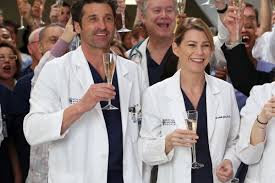

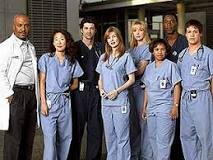
This second week of television we progressed into more modern shows and television aspects ranging from the 1980s to the early 2000s. Today in class we watched an episode of ER, as someone who watched many episodes of Greys Anatomy, I found it fascinating to see the difference in style and focus between the character and the ER as a protagonist. In Greys Anatomy the surgeries and medical issues almost work around the personal drama among the coworkers. I think it is interesting the priorities that both the audience and the producers have when comparing the too. I think it says a lot about our society’s mindset when comparing what we what to watch to get away from real life.

images.jpegUnknown-3.jpeg

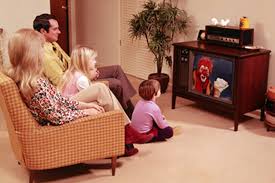
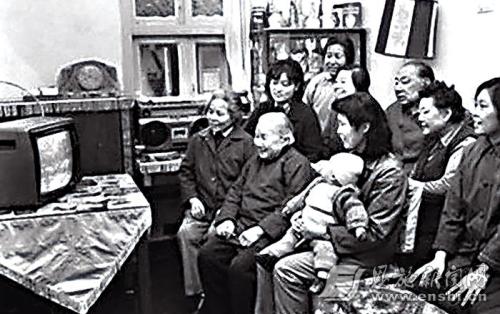
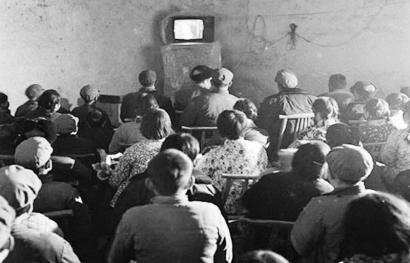
Aside from ER, we also watched the first episode of the Netflix episode The Eighties. It explained the jump from just the late 70s to the 80s and how much cable changed people’s relationship with television as well as each other. I thought it was interesting how different cable changed how people watched TV. In the film, they mentioned how the late 70s was the last time that people gathered around the television like it was an “electric” fireplace. Great examples of this include ER, Dallas, and M*A*S*H*, M*A*S*H* finale which too this day leads the most-watched episode at the same time. It is amazing how something such as a show could stop time for that many people and have them stop their lives to watch the finale.

In this day and age, television brings people together only in access to ideas and knowledge, however, overall I feel as though it brings people apart as that they can each watch there own show: alone and in a separate room. The abundance of choices doe snot give the same excitement fro finales or airings that the pre-cable era gave.

Unknown-4.jpeg

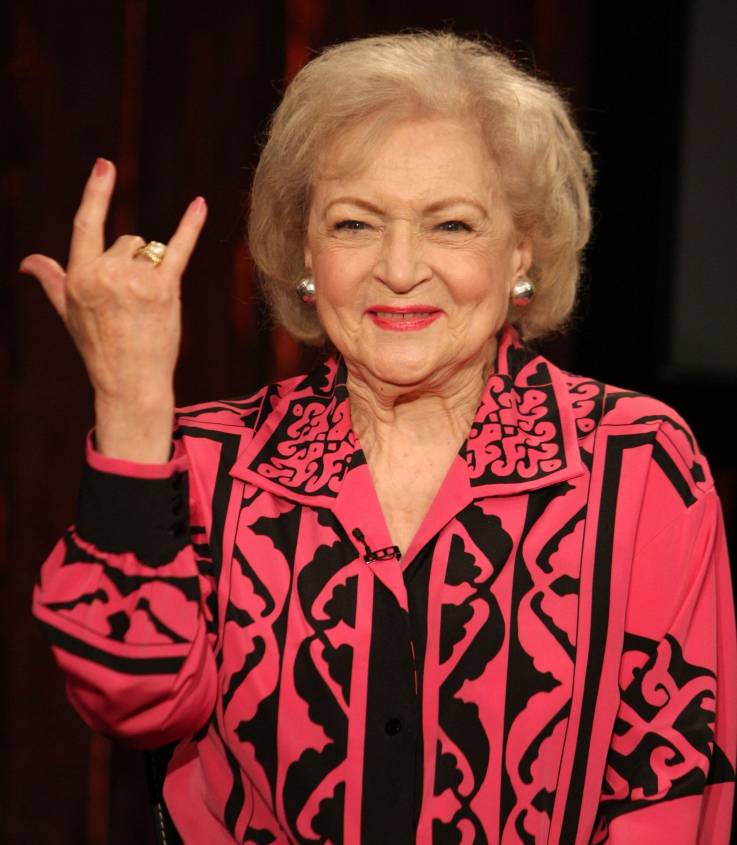
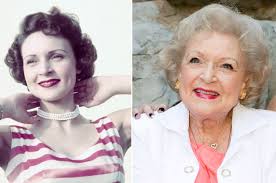
Finally, on Monday we watched the Pioneers of Television, a documentary about incredible and inspiring women of television and comedy. It was very interesting to watch the struggles and expectations fo being a woman through the lens of the television world. One of the most influential people, who still is making people laugh is Betty White. One of the things that I find most interesting about her is that she is still alive. I think this is a great example of showing how quickly everything is this technology era has been changing. All the women in that video were truly inspiring.

Unknown-5.jpeg

-Grace Hanlon

ER and the Funny Ladies

Television in the 70’s paved the way for the following generations. For comedy specifically, women were able to find their voice and became sensations that the people of America loved. Actresses like Mary Tyer Moore, Carol Burnette, Lucille Ball, and Betty White were some of the women that began to break the boundaries for women in comedy. For starters, Betty White became one of the first women to produce her own show. Lucille Ball was a formally trained actress in physical comedy. She broke a common standard of the 30’s and 40’s where people believed that in order for a woman to be funny, she could not be attractive; and she challenged that. 

Other female comics such as Joan Rivers, completely redefined what a woman was allowed to say on television. In her stand-up performances, Rivers pushed the limits and discussed topics that were considered taboo at the time. She would talk about relationships between men and women and how many phrased it “she would say things everyone else was thinking, but no one would say.” Rivers was heavily criticized when she went on stage and performed while she was pregnant. At the time, no woman would be caught dead pulling that move. As a huge fan of stand-up comedy, I know that this stunt was probably what inspired American comedian Ali Wong. She performed her two Netflix comedy specials while she was very visibly pregnant. Another parallel between the two comics is that while watching Wong, you also notice that she tends to talk about taboo subjects such as sex and relationships in graphic detail. 

Image result for joan rivers stand up pregnantImage result for ali wong pregnant

These women paved the road for more to follow. I have such an admiration for female comics because I feel like I can relate to nearly everything they discuss. Women in comedy are not often praised as much as their male counterparts. The Funny Ladies screening in class meant a lot to me. 

Image result for and now for something completely different

ER was a medical drama that aired in the middle of the 90’s until the late 00’s. The series was built off previous medical dramas such as M.A.S.H and ST Elsewhere. It features doctors who work in the emergency room of a hospital in Chicago. Although the series has been off the air for ten years, the content within the show is still compelling, timeless, and relevant. Viewing the show during class was engaging. While watching this show, you feel as though you are actually immersed in the suspense and trauma of a real emergency room. The directors do a great job of making you forget that you are actually just watching a television show. I personally watch the show Grey’s Anatomy on my downtime, and the two shows are often compared to one another. Grey’s Anatomy is another medical drama that came out in 2005. It was inspired by ER, except it focuses less on procedures and cases within the hospital; and more on the main characters’ soapy lives and personal relationships with one another. 


-Miriam Radwan


The Impact of Television

This weeks class discussion was very interesting and informative. We talked about how television series have an impact on audiences. Many shows have had plenty of success, but the most successful shows are often the ones that the audience/viewers can resonate with. The show needs to feel real in order for the viewers to feel as though they are there. So, if something negative happens to the protagonist, they feel as though it happened to them. Many people, myself included, and im sure many of you guys have gotten very into a show and feel emotions at a series finale or big events. For example, in the show “Dallas” JR was shot, and it had the world going insane about who shot him until the next season came out. If a show is done the right way, it has extremely positive effects on the viewers.

Another discussion that arose during class was about long running series that has many different cast members through the years, but often keep a couple of the same members. The first thought that came to my head was The Office. Most of the characters are the same throughout the series, but the main character, Michael Scott leaves in season 7, which leaves two more seasons without him. Some would argue that the show dropped off after that, but it was still funny and the producers still produced a great product. A big reason for that is it seems like they really focused on character to character relationships in the last two seasons or so which made for a better story line and more interactions worth watching.

We also watch the show ER in class, I can see how ER earned its keep as a show. There are relationships which add the personal feel to it. But the biggest effect is the drama. In my opinion, it is too much. Many people are into that sort of thing though. It really stretches the boundaries of drama and even gore if you view the medical situations that way. But, it was a 15 season series which shows its dominance in the TV industry and is also one of the more successful sitcoms to date.

ER – 331 Episodes Later

ER is one of the most decorated sit-com series there ever has been. We have all seen shows having to do with police, doctors and more that depict a more real life situation all put together in a show. Some shows that carry out still today are Grey’s Anatomy, Law and Order, Criminal Minds and more. However, are they really even matched by the success that ER gained? The 331st episode of ER, as well as its last, had record breaking viewers with 23 million people tuning in to watch. The article by Emily Todd VanDerWerff discusses how the show really can go in any direction with one small moment. The episode we watched in class had to do with minimal patients here and there having to be treated for various reasons, but one event triggered one hard-to-miss episode. A patient came in that was covered in some kind of poisonous, acidic liquid where anyone who got some on their skin or clothes instantly had to be treated. That didn’t stop the show from taking the focus off the other patients who were featured before the scene. All of a sudden, the intern doctor is now taking over a higher role in trying to figure put how to deal with all the patients in a hospital that seems to be losing space after most of it is now infected. He is trying to focus on trying to save so many lives but can all of them really be saved?

ER created that feeling of what it could be like being in the shoes of the actors they see on tv. The first month that it launched on Hulu in January of 2018, viewers viewed on average 19.4 hours monthly. As well, 5000 viewers who subscribed to Hulu finished the series in a month. That’s roughly 8 hours a day watching the same show. Why? It attracted viewers on a more personally level. Watching a show about a hospital makes you forget about what it’s actually like in a hospital near your house. ER gave a fictional view of the stress that doctors and patients go through on a day to day basis. The camera angles that are shown in the show create a sense of stress for viewers, making them inclined to keep watching because they want to know what is going to happen next. It has the emotional appeal that viewers want and was really the first series to capture that idea.

M*A*S*H was another one of those shows. It was created around the Vietnam War, and like most people, they needed an escape from reality. That is where tv comes in and M*A*S*H comes in. A surgical unit finds itself stuck in hard times during the Korean War with little resources of help. So, they have to make their own fun. The show isn’t all completely serious, where they are able to make jokes and have fun while being stuck in a hard time. Just like in regular day life, people needed that relief and that positive energy and the tv show gave them that opportunity.

TV shows like M*A*S*H, ER and more showed life in alternative ways. How a hospital that goes through so much struggle in saving lives while also discussing relationships among the actors. It keeps viewers interested and more attracted. Game of Thrones was another tv series that had major popularity. However when the last season seemed almost rushed, people felt disinterested and disappointed with how things are left off. That’s why shows like ER that take a long time to develop and end get the most attention. The emotional involvement is what keeps everything into place. That’s why the series finale episodes do so well with viewership. The long developing process keeps everyone on the edge of their seats and they can’t wait to see what comes next or how it is. I don’t believe tv today is the same as it was back in the 70s, 80s, and 90s. However, I think they are trying to revamp the whole concept. Shows like Grey’s Anatomy, Law and Order and more are trying to give that same emotional feel without trying to exaggerate it too much.

Jason Berardicurti

ER…”just one more episode”

ER was a very popular television show in the 90’s and continues to be today. How did this show become so popular and continue its success? This show was a result of many other shows that were created in the 80’s, some of which include but are not limited to: MASH, The Crosby Show, Hill Street Blues, and St. Elsewhere. 

The final episode of the hit TV show MASH was on of the most watched television episodes. The final episode was unprecedented and an audience of 23 million people tuned in to watch as the show aired. It was difficult for the producers to understand the size of the emotional response that the series had created for American people. Although, after the series came to an end there was worry that television would not be able to get any better than that. Where was sitcom going to go from here?

i call bullshit GIF

In 1989 The Crosby Show came to television and sitcom found its roots once again. It was this show and shows like Hill Street Blues, and St. Elsewhere that led to the creation of ER. Hill Street Blues did not want to follow the plot of a basic cop show, but wanted to include the personal lives of the characters. It became a trend to accept these flawed characters and the viewers were eating it up. This show was interactive, the episodes bled into one another. This series led to the creation of St. Elsewhere, which broke the rules and created new ones. They introduced tragedy into the characters and made the audience feel for them. It challenged you to think and tackled many difficult subjects. It was shows like these that led to the creation of ER.

the cosby show GIF

nbc community GIF

When ER began it had a very strong pedigree that set it apart from other competing series. It continued for 15 seasons, which was very uncommon for a television show to achieve. There was question of whether the show could compete in a streaming environment. It was a complete success. The show was frantic and exciting. Every episode there was something new happening that kept the audience on the edge of their seats. They were very successful in the way they got rid of characters and introduced new ones. When a character left, the new character that replaced them was completely different. This was something that other shows failed to do successfully. Characters could come and go with ease, which was a main aspect of the success to this show.

greys anatomy GIF by ABC Networkgreys anatomy GIF

There are many competitors to ER such as the hit hospital drama out today, Grey’s Anatomy. I am a huge fan of Grey’s,  yet I can see how it may not be as successful as ER is. When these two shows are compared you can see the similarities but also many differences. In ER the main character of the show is the hospital and the emergency room itself. But in Grey’s Anatomy the main character of the show are the characters themselves. The hospital and medicine aspect is second to the characters’ drama. We are more caught up in the personal lives of the characters. And because of this we become attached to them and upset when one leaves or dies. Grey’s Anatomy lost many viewers after one of the main characters, Derek, died. This is where ER has one up on them. They keep the attachment away from the characters allowing us to fall in love with the hospital, something that will always be constant. They have been so successful for so long because they can continue to grow and change characters with ease without losing their audience. They have the system figured out.

The invention of the television definitely changed people’s life. Before 1927, the television haven’t been invented, people’s life were totally different. Screen changed our life entirely. The invention of the television make people’s life more convenient and interesting, it allow us to get information, news at home and TV shows, games to entertain our life. In 1970s, it is really honor to have a television in China. The television helped a lot with promote the new strategy to people in our country. As we all know, China once was new build and pretty poor. The television helped with gather people together and spread the right direction to success.

I don’t know much about America television history, but Rod Serling is someone who can’t avoid when we talk about America television. He changed the whole industry of television. He worked really hard to push the television industry to develop. The influence he made still count today, the style of the TV shows he created we can still found in todays TV shows. He create a nice foundation for the future. Compare to Chinese TV show, America TV shows have more variety and more entertainment to watch. Most of the America TV shows can make you feel connect to it, because actor’s skill is really high. I think it give the credit to Rod Serling, because he has set the high stander at the first.

Impact of Television Industry

The creation of the television was revolutionary. It allows us to receive information from an entirely different spectrum but it also has such an effect on how we live our lives. The sitcoms or movies depict an elusion of how people act in the real world. The characters in these shows try to relate to an average persons life problems. The difference being the available resources and time the characters in the show really have compared to the average person who actually needs to put the time in and put the work in day in and day out.

Image result for sitcoms
Image result for how i met your mother

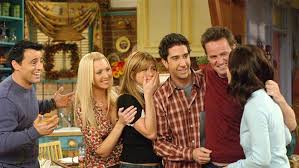
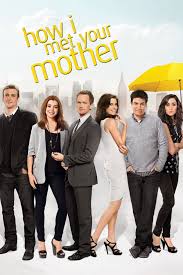
Both of these shows represent a group of friends that struggle with many average problems any other group of friends would have but the characters handle their problems completely different. Their problems will vanish in an instance. They’re representing the wrong ways to handle with certain problems and people will take it and run with it anyways. People take the advice from shows like these to deal with their own real life situations.

Image result for rod serling

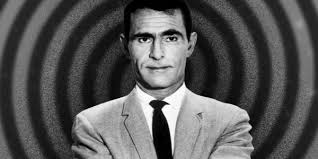
Rod Serling was ahead of his time. He was a genius storyteller. Serling took such simple ideas and turned them into complex, confusing, eye-opening, masterpieces. He created such detailed stories out of thin air. Serling was unstoppable with his writing. The influence that he had on media today will never be matched. What he did with “The Twilight Zone” was so destructive yet beautiful.

-Noah Soriano