
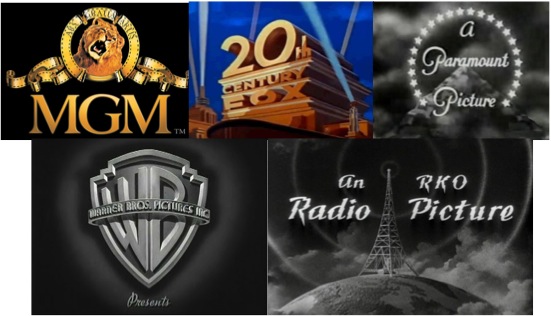
In being able to appreciate anything, especially art mediums, you have to study and learn from its origins and history. This is especially true in the movie industry, especially if you want to understand how to make and sell a movie of your own. Turns out it’s a lot harder than one would think, you can’t just have an idea and make millions off it like some may think. “The Structure of New Hollywood” by Tom Schatz explained how in the 1920’s and 40’s, the movie industry adopted the “studio system”, mirroring the industrial revolution in having a factory-like approach to making movies. They had 3 systems working for different parts of the movie, production, distribution, and exhibition. There were 8 major Studios, and the “Big 5” were studios that were vertically integrated, meaning they were were responsible for all 3 of these steps and did them their selves. MGM, Fpx, Paramount, RKO, and Warner Bros. were the big 5, and if you wanted a big movie you had to go through them.The movie industry flourished, and was considered by many to be in it’s prime. That is until the government passed the Paramount anti-trust decree, breaking up the power studios had and led to them putting the creative keys in the hands of independent producers and directors, for who which the studios would then produce the film for.
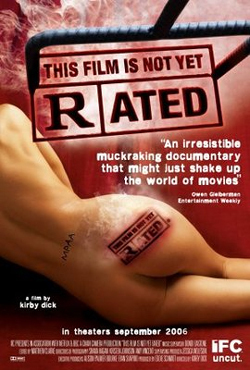
The part that shocked me the most was the documentary we watched, “This Film Is Not Yet Rated.” It blew my mind how ridiculous and confusing the censorship has been from the MPAA, the ratings committee that rates all movies in America. There was no set rules or standards to go by, the ratings were unfair & anonymous, and good luck trying to appeal a rating especially if you got an NC-17. The board finds ridiculous things inappropriate, and provides no justification into unfair comparisons between films. They constantly contradict themselves and block artists creative minds from flourishing. As an artist myself, this is especially angering because I know if someone told me I couldn’t create what was in my head, I would be furious. It just sucks that there’s no way around them and if you really want to make money with your movie, you’re going to have to deal with them and pretty much accept what they want out of your film. It’s frustrating as a consumer as well, knowing you can’t be exposed to a director/producer’s true creative mind because of a bunch of random adults (who turn out to be people linked back directly to the studios) who don’t know what the public wants if it was waving in front of them.
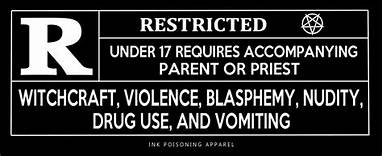









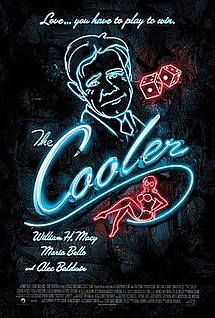
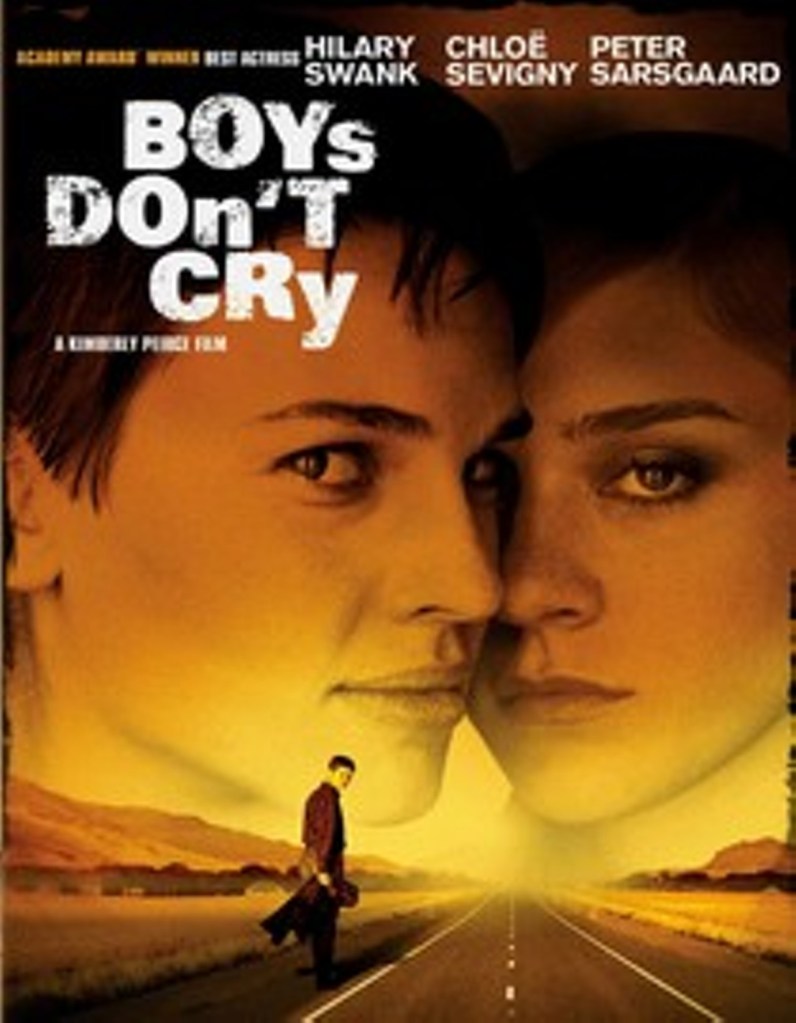
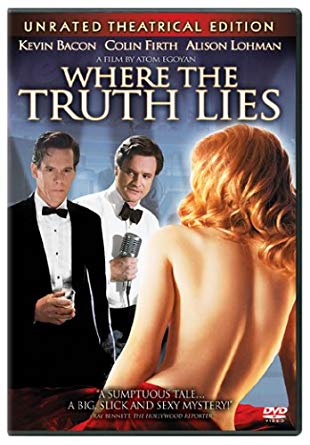
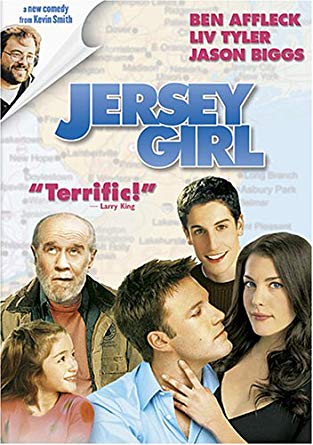
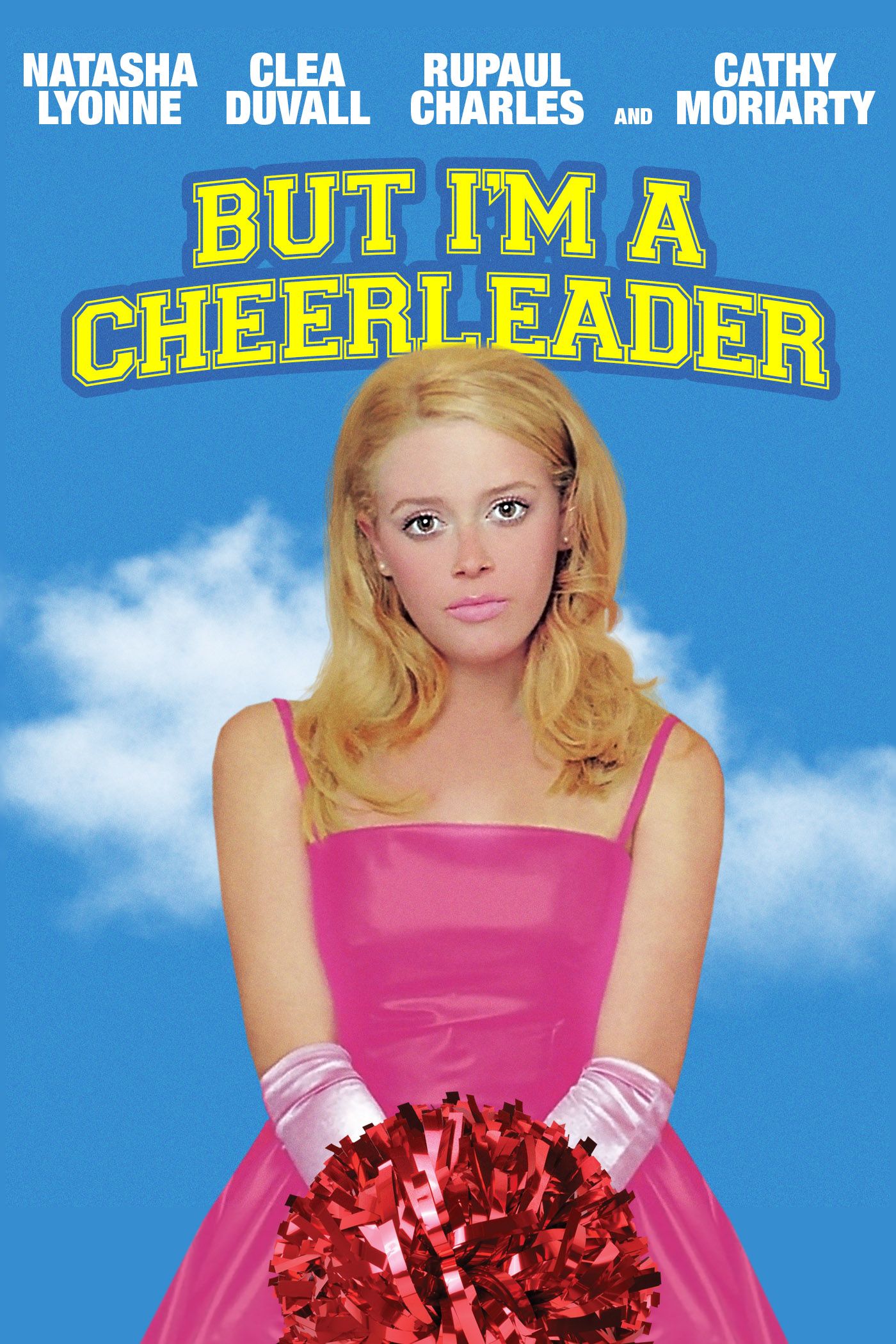
 I think it is very interesting that in a society that prides itself on being so free and opens the movie industry has so many restrictions. What I find insulting and concerning is when a movie is supporting a positive message that needs to be communicated but it is still muted by the MPAA. For example, in the movies that focussed on portraying women’s pleasure the MPAA was more likely to give the movie an NC-17 rating as well as movies that “exposed” gay sex. The MPAA reasoning for this was that they didn’t feel it was right to show sex in positions that weren’t “accepted by society”, this was said to be in fear of an increase in sexual activity between teens. In reality, I think that limiting sexual content (to a degree), doesn’t allow teenagers to receive answers they are asking themselves, therefore potentially putting themselves ina more dangerous position.
 changed at all and if those raters have gotten either more or less restrictive. In a time that is so split both in political opinions as well as just general ideas, I wonder who the “average” American parent is and if they are even right to have certain opinions on what kids have the right to see.



 Mass Media & American Life - Fall 19