U&G and Fandom

In Mass Media this week, we learned about Uses and Gratification Theory which shifts the focus to the viewer and how we chose what kind of media we consume. Many of the other theories we have studied up to this point focused on the effect the media has on the consumer.

Personally, I found this theory and the “needs” that we feel are necessary in order to fulfill this theory. The different needs are cognitive, effective, social integrative, and tension free. While discussing each of these aspects, I found it quite interesting in how they could be used. Such as just turning on a TV show because it is part of your routine. Also, how in order to make yourself less lonely you turn it on for the background noise. Everyone is guilty of this. If you are completely by yourself, it is often “too quiet”. So, having the conversations or music in the background strangely makes you feel like you have company. The idea of “tension free” is also really relatable. Everyone I know, especially at high school/college level has taken a break from their homework to relax and watch a show they enjoy. Not feeling that stress can often be lifted by things you enjoy. Not only is it tension relieving by blowing of homework, but also after a long day. I enjoy watching and episode or two of one of my favorite shows before bed while I’m winding down.

In order to portray the U&G theory, we watched a movie called Galaxy Quest. For starters, I really enjoyed this movie, between the spoof off of Star Trek, the cast, and the overall humor of the film. Not only does this movie have flashes of U&G, but also the topic of “fandom”. Fandom simply means that an individual thoroughly enjoys something. In class, Prof mentioned that “fandom” is actually a word used to describe a lunatic. Which instantly makes my mind shift towards crazy sports fans, such as the Bills Mafia. In Galaxy Quest, it shows how just how much a tv show has on an individual. Also, the movie had quite the touching end when the young boy and his friends were able to help the protagonists become victorious because of their deep rooted knowledge of the space ship that they had to navigate through. I also really liked seeing Rainn Wilson in a role other than Dwight Schrute.


My last thought was just how insane it is that fans of a specific thing can play such a major role in its success, and even the outcomes. In class the example was Family Guy, it was cancelled many times, but do to an uproar from the fans, it has been revived just as many times. That is insane to think about. All of the power and control is really in the hands of the viewers. The producers/directors are at the mercy of their audience because that is how they base their success: VIEWS. In many shows, you can predict what is going to happen, especially if it involves a favorite character which often makes the end of the show kinda blah. But in other cases, like Game of Thrones, the writers were so eager to get their product out because the fans were so excited that there was a new season. Instead, they rushed it, and many people were left severely disappointed. In my opinion, only the fans have themselves to blame. You can not have the best of both worlds all the time.
NEWS

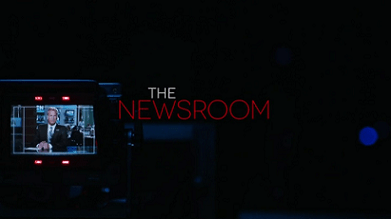
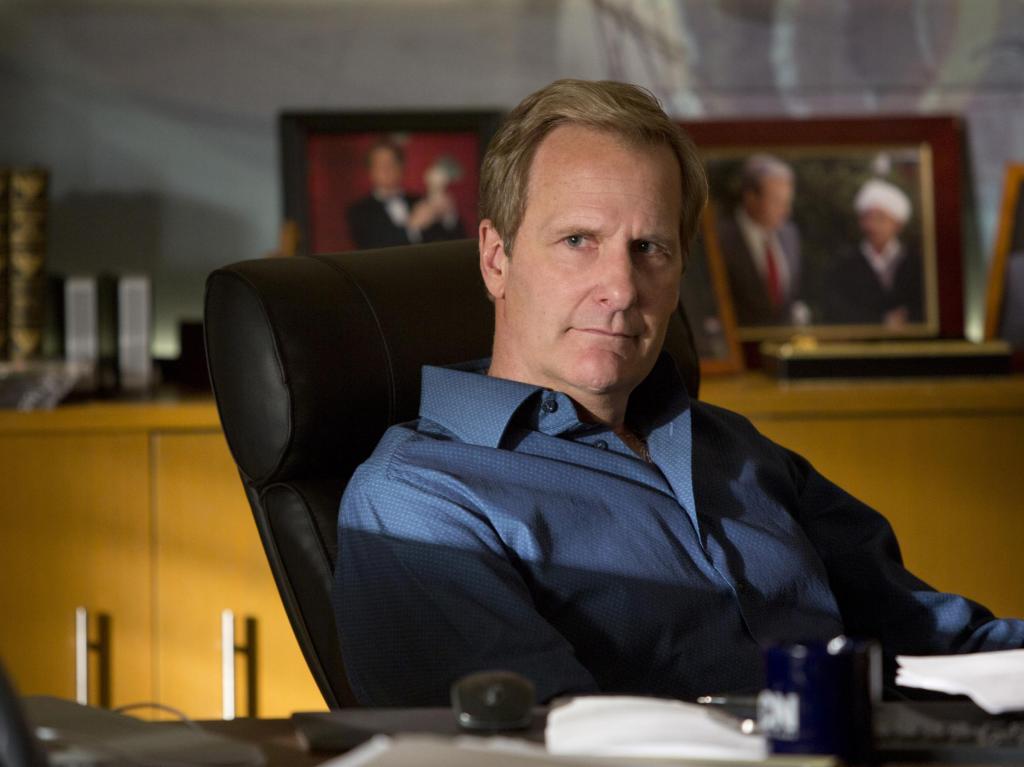
This week in Mass Media we discussed the news and the impact it has on the world. Cable news is often flawed, inaccurate, and heavily opinionated. For me, if I had to watch the news, I would want the most realistic and straight to the point. All the extra arguing and sugar coating just would not do it for me. In order for us students to understand the news, we watched two episodes of “The Newsroom” in class.

In the first episode we watched titled “We Just Decided To”, a troubled news anchor Will McAvoy who returns after a few year hiatus after truthfully answering a group of students about the current state of America. He comes back to a much different environment and struggles to adapt. His ex girlfriend also had a higher role there which was hard for him to deal with since there was clearly hard feelings left. Will must adapt and work with his new team to cover an Oil Spill off the coast of Louisiana. The episode did a great job portraying how dramatic and chaotic covering a breaking story can be. It also shows how hands on covering a story can be and how many people are needed in order to give a great product.

In the second episode we watch, “The Blackout, Part 1: Tragedy Porn” it shows how choosing not to cover a story because it seems more like entertainment as opposed to news can take a toll. The team chose not to cover the Casey Anthony trial because it was more of a circus act than a legitimate story. They lost half their viewers and it forced their hand to cover the trial in order to regain the followers. Mack was extremely against it, but Will and Skinner thought it was crucial to cover it. I thought this episode was interesting because it showed more of the real side of things which is news channels being worried about views, which has a direct correlation to the content. While covering this story, it knocked off many other stories in order to use an ample amount of time. This shows how news outlets cover the entertaining story, rather than other very important things. The content in which we receive is selfishly used for their own success. It just makes you think, What else have we missed on?

I do not pay much attention to the news. I do know whats going on because it is hard to not know. But I do not know the ins and outs of every story. To be honest, I do not really care. Most of the stories are depressing and just jammed down your throat. When I do seek news, its usually on social media from a legitimate source such as NY Times. I think it is ignorant for people who completely avoid the news, though. I feel as citizens we should know what is going on. There is a very fine line between not wanting to know, and tuning it out.

Media Effect in Society

This week in class we discussed theories in which are believed to have effects on humans from forms of media. The main focus was the Gerbner Theory. The theory examines long-term effects from television. The main point of the theory is that people begin to have a sense of “living” in the fictional world of television, and begin to align their real life with it. For example, a regular every day human that watches a significant amount of violent TV will be scared of going out into the everyday world, as if the acts they are seeing will potentially happen to them.

I found this theory really interesting. The fact that one can become so entrenched with the fictional world, that they start to have fears based around what they are viewing for their own leisure. It is easy to see something repeatedly in a show and maybe have the thought in your head “Wow, that would be insane/scary/cool” but it is another to have a legitimate emotional issue with it.

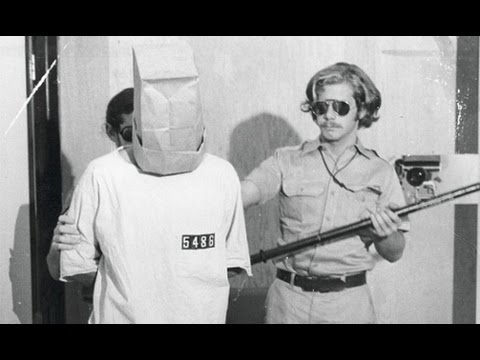
The other interesting and also stomach turning show we watched in class was The Big Picture. It was a compilation of clips from human behavior experiments to show how humans react in new/different situations. The Stanford experiment by Zimbardo was fascinating to see how average people change and adapt based on a simulation. Zimbardo set up a fake prison in Stanford U’s basement. He then collected volunteers to be either prisoners or guards. After about a day, one guard specifically became infatuated with the power and ran with it. A prisoner had a mental breakdown in a couple days, even though he knew it was simulated. The guard just became really wrapped up in his role, despite knowing he was not actually a prison guard.

I was really shocked that people can know they’re in a simulation, and become into their role so much, that they basically believe it as real world. The guard was interviewed for the show and he even acknowledged that he knew it was fake and he just simply got carried away. It is hard for me to imagine that I would crumble to the power I hold in an experiment, let alone real life. However, being the prisoner in that situation would not be enjoyable, especially if I had no offenses, I would not want to be dehumanized.

The effects of media on society theories sound quite outlandish and hard to believe. The human behavior experiments shine a different light on the matter. Humans, some more than others, are very susceptible to change in behavior given a strenuous situation. The lady in the McDonalds strip search interview said it best, “You never know what you would do unless you’re there.”

MPAA: Crucial to Cinema success

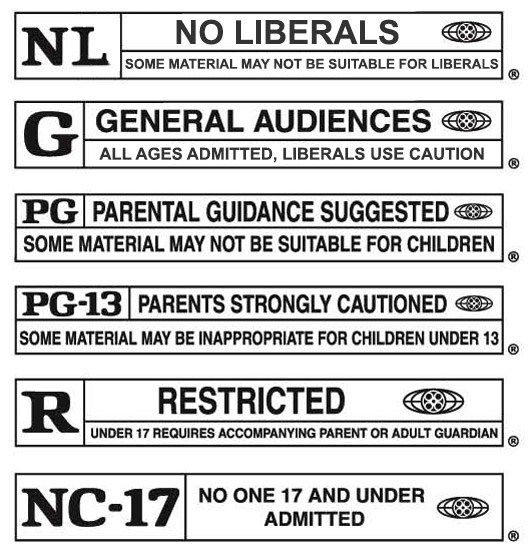
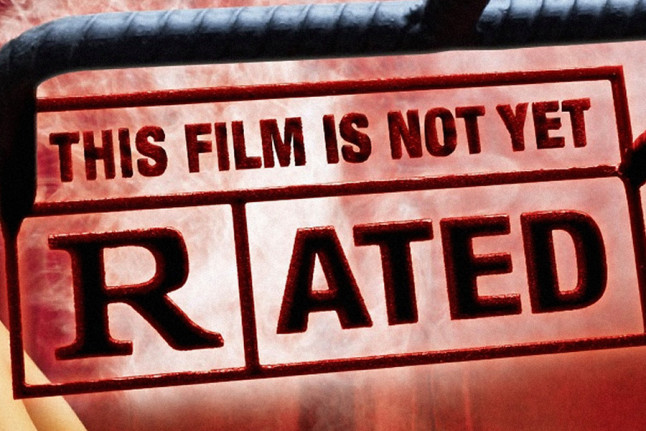
This week in Comm we watched a very interesting documentary about the MPAA and how they basically screw over multiple directors yearly. The producer of “This Film Is Not Yet Rated”, is Kirby Dick. He interviewed many directors and set out to find a private investigator to solve the mystery: Who is in the MPAA and why is it such a big deal that the raters are kept private? The doc was to get to the bottom of the fine line between R and NC17 ratings. Directors were outraged by their films receiving NC17 ratings due to the sexual content in which it contained. For example, in the movie “Boys Don’t Cry” it received a NC17 rating due to a scene that included rape. The director was upset because there are plenty of other movies that contain content like this, but the director felt it was because of the transgender protagonist. A rating of NC17 can completely break a director, because if it is rated NC17, people may avoid seeing it because of disturbing rating. It is often fixed by the director/producers cutting scenes or making them of less quality in order to receive a better rating, which often makes the story/plot weaker.

The ladies that Kirby Dick hired were funny and took the matters quite personally. They often had to spy and even started going to the raters homes once they realized who the raters were. However, the directors were angry because a lot of the content in the movies which received a poor rating, they felt was comparable to movies that had an R rating. The movie with Maria Bello, where it received a NC17 rating because it showed a little too much, was not that big of a deal in her eyes. She felt offended, the movie was not portraying lust, it was the beauty of the love that she and the man in the scene felt. Later on in the doc, it was noted that the MPAA is more concerned about sex rather than violence, where in Europe it is the complete opposite.

Kirby Dick eventually submitted this documentary to the MPAA for rating. He received an NC17 rating due to strong and graphic sexual content. He decided that he would appeal, which led to a strange winding road of mystery and secrets as to who was on the board and what not. My personal opinion is that it is unfair that there is a small group of people who rate movies that decide who can view or not view. a man in the doc mentioned that there basically 2-3 companies who determine what can be seen by the US, controlling all media across the country. That does not seem fair. I feel bad for the directors who were black balled by the MPAA and maybe even had their careers ruined by them, because of a graphically depicted scene that was deemed “inappropriate”.

The Impact of Television

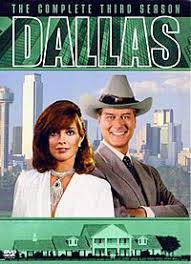
This weeks class discussion was very interesting and informative. We talked about how television series have an impact on audiences. Many shows have had plenty of success, but the most successful shows are often the ones that the audience/viewers can resonate with. The show needs to feel real in order for the viewers to feel as though they are there. So, if something negative happens to the protagonist, they feel as though it happened to them. Many people, myself included, and im sure many of you guys have gotten very into a show and feel emotions at a series finale or big events. For example, in the show “Dallas” JR was shot, and it had the world going insane about who shot him until the next season came out. If a show is done the right way, it has extremely positive effects on the viewers.

Another discussion that arose during class was about long running series that has many different cast members through the years, but often keep a couple of the same members. The first thought that came to my head was The Office. Most of the characters are the same throughout the series, but the main character, Michael Scott leaves in season 7, which leaves two more seasons without him. Some would argue that the show dropped off after that, but it was still funny and the producers still produced a great product. A big reason for that is it seems like they really focused on character to character relationships in the last two seasons or so which made for a better story line and more interactions worth watching.

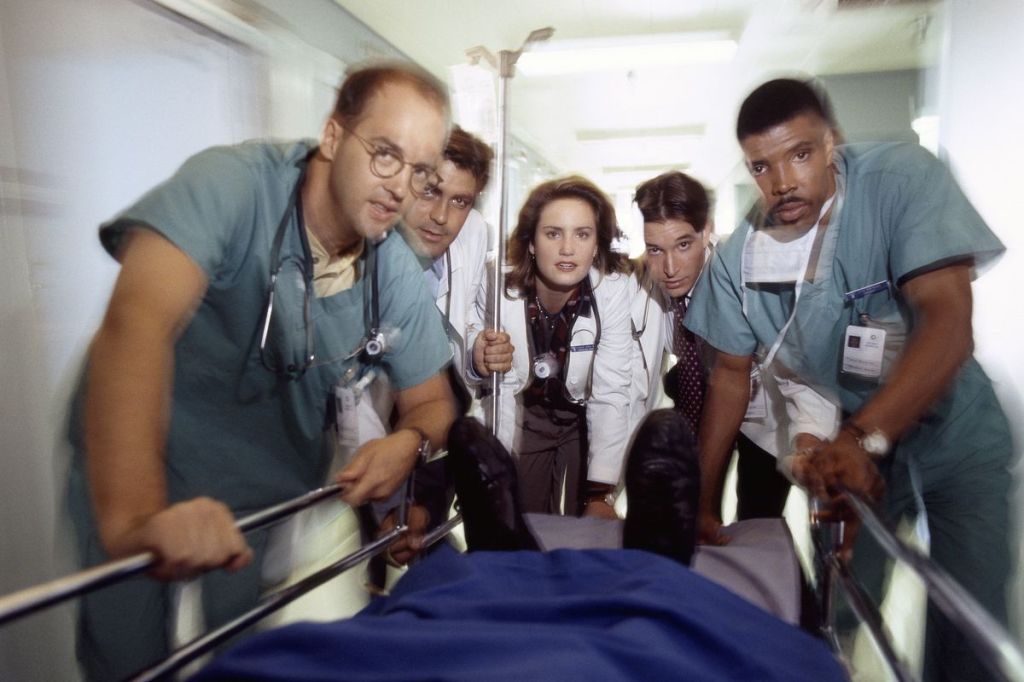
We also watch the show ER in class, I can see how ER earned its keep as a show. There are relationships which add the personal feel to it. But the biggest effect is the drama. In my opinion, it is too much. Many people are into that sort of thing though. It really stretches the boundaries of drama and even gore if you view the medical situations that way. But, it was a 15 season series which shows its dominance in the TV industry and is also one of the more successful sitcoms to date.

Comm 10/3

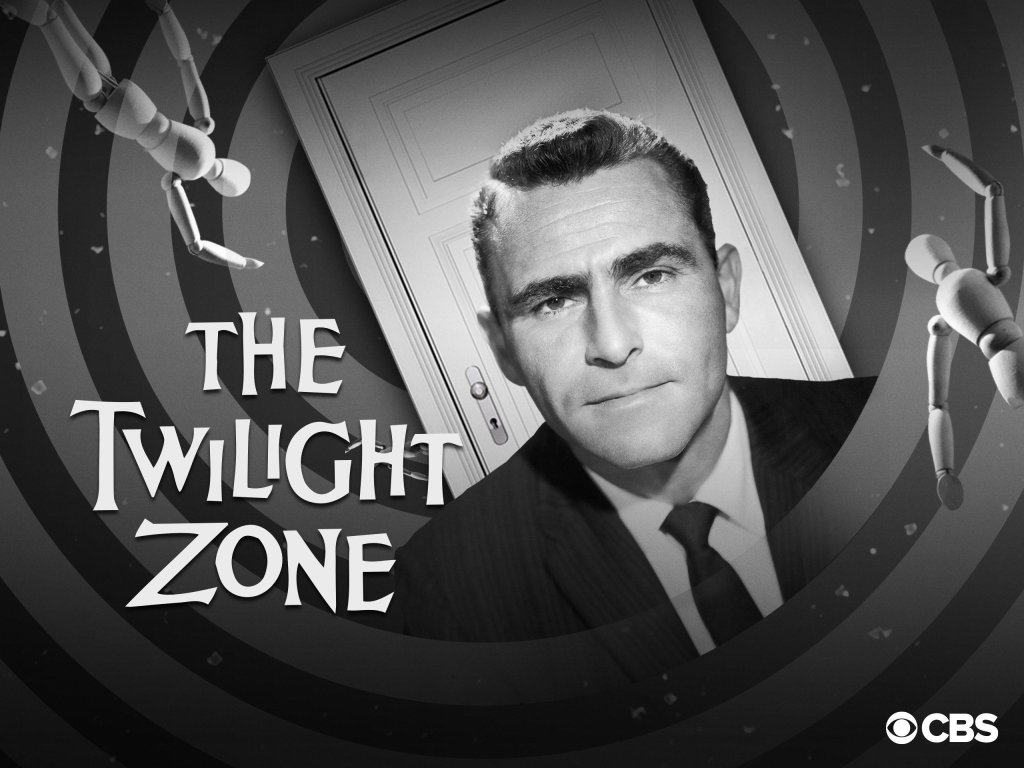
This week in class we watched a documentary about Rod Serling. He was a very successful man and I had no idea about him or any of his work until “The Twilight Zone” was mentioned. He was always a defeat the odds kind of guy. He was a small fella, and he enlisted into the paratroopers after seeing a video when he was in the armed forces. His buddies thought he was crazy, but he believed in himself and made it through training, which made him a success. His wife mentioned that he was traumatized from war, like most men in that time, and now often are. However, some of his best and most successful writings came from his pain and even mental suffering from war. The raw emotion allowed him to pour it all out. He wrote plenty of pieces that were based on war that were extremely similar to his own experiences. Being able to write and see these experiences come to life was a nice way for him to get it off his chest and basically move on.

Serling was well known for his ability to expose the potential for evil amongst humanity in his writing. He would often chose a pretty normal story plot that would face a basic person with a moral dilemma where they had the potential to make an unethical decision or even worse. I cannot remember the name of the piece, but it was a WW2 piece that was about a soldier who’s job was to take out a group of Japanese soldiers. When he wakes up one day, he is a Japanese soldier who’s job is to take out a group of American soldiers. That sounds like a tough show to watch that would keep you on the edge of your seat. Serling really placed an emphasis on the characters of his writings, not necessarily the action that creates a reaction. When he was writing for “The Loner” for CBS, the network had an issue with the lack of violence and action. But Serling was so focused on having likeable characters that the fans could fall in love with and be easily liked.

It is funny how much times can change. Serling underwent tremendous amounts of criticism for doing commercials. Fans thought it made him lose his credibility and become less respectable. In today’s age, some celebrities are known because of commercials, and if you are not endorsing multiple products, you are not successful.