
Fandoms. Everyone has at some point in their lives been a part of one. Whether you were like me and hung a billion and two posters on your bedroom wall for the bands you loved as a teenager, or you saw every Star Wars film on opening night, we have felt an obsession or gratification from being a part of these fandoms. Our screening in class this week was of the film, Galaxy Quest which was a movie inspired by the Star Trek original television series and its’ iconic fan base.

The film follows a group of actors that play main roles on a television series very similar to Star Trek. The crew of actors ends up in outer space, where they discover that a whole alien race has religiously followed their television show. The alien race known as the Thermians believes that the episodes from the show are factual, historical documents that display events that actually took place.
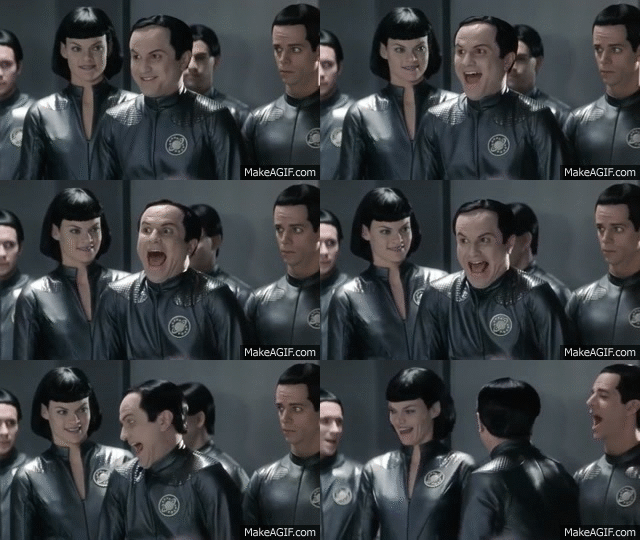
The actors must embody their characters from the show in order to complete their mission in outer space. However, when problems arise that they cannot solve they turn to the shows’ biggest fans on their home planet, Earth. The films’ most significant theme is this: large fan bases are the sole reason why franchises like Star Trek exist and are significant in modern culture. They create a platform to build friendships, communicate with the creators, and simply entertain and pass the time.
Fandoms tie into the Uses and Gratification Theory, and why we choose to consume media in the first place. This theory discusses how the audience and creators engage with each other when consuming media. It suggests that audiences are active participants in exchanges of media. Contrary to the Effects Model which suggested that audiences are passive, and will listen to whatever the media tells them.
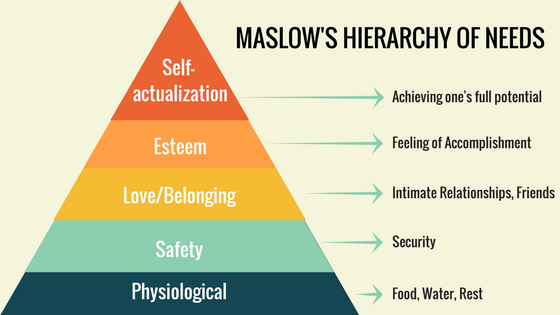
The Uses and Gratifications Theory actually plays into Maslow’s hierarchy of needs. Media can satisfy our need for social connection and self-esteem. Media has four main uses: seeking information, creating a sense of personal identity, building personal relationships, and creating a diversion from the real world. Anyone who consumes media does so for these reasons. Most of the media I tend to consume is either meant to pass the time or for research and information. As a busy college student, media platforms such as news broadcasts allow me to easily access information about what the hell is happening in the world. To be completely honest, I have stopped watching the news because networks tend to put political spins on stories and only seem to report about the worst possible events. I am sick of hearing about the Earth dying in the next fifty years and how our president is a complete buffoon. What will always grasp my attention is comic relief. Whether it is old episodes of Monty Python’s Flying Circus or new comedy specials from John Mulaney, I can always count on ridiculousness and satire to relieve me from our gilded reality.









 Mass Media & American Life - Fall 19