“Like my picture bro”

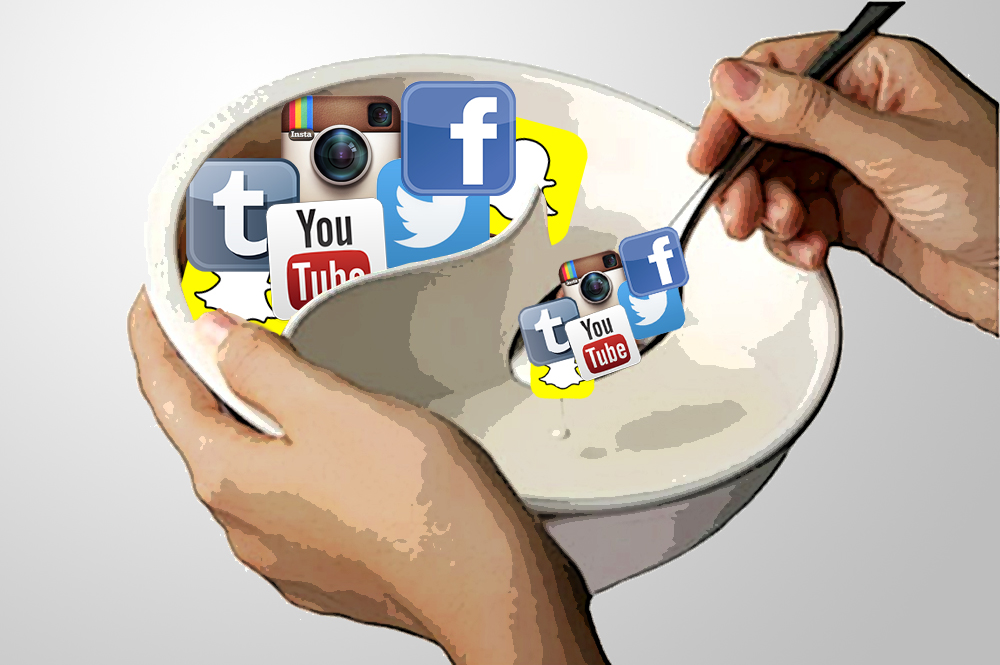
In the last class of the semester we talked about social media and a concept called the “Spiral of Silence”. As a young adult in this generation I never hear the end about social media from either older generations complaining about it, to the ridiculous things I see myself when using it. I’ve had social media since I was 12, towards the end of 6th grade when I first made a Facebook account because all my friends did it. Facebook was my only source of social media until about 9th grade, then I made an Instagram, and eventually Snapchat as well as twitter but I hardly use that one. The point is I’ve always been active and enjoyed social media, but about 2-3 years ago, I kinda just started hating it and realizing how false and engulfing it is. We talked about how some refer to us as “Generation Like”, which is exactly the thing that made me realize how stupid it is. Likes are like the main form of validation nowadays, and most people even equate them to how much money you have! I pretty much stopped using Facebook about a year ago, it was always my main one until then. In all honesty, I want to delete all my social media. The only thing keeping me on is the fact that I’m a music artist and that’s the main way to promote yourself. I’m over the false reality that it’s become so I try to limit my feeds to just things music related, with the occasional memes I find funny. I have to pretend to like and care about how much people double tap on my photos, which sucks but I guess I have to make some sacrifices for the love for music.

Image result for like my picture meme

As for the Spiral of Silence, I think it hits the head right on the nail with the points it makes. This is the idea that human beings naturally keep their opinions to themselves if it’s controversial or not in the majority of the group they’re in. I think this concept is most applicable in public situations with people you don’t know, people tend to try not to disagree with random people to avoid unknown conflict. However if you’re with your friends or people you’re comfortable with, you’re probably more likely to be the odd one out because you know they won’t judge you as much for it. I’ve definitely had this feeling before, especially around new friend groups I don’t really point out things that might stir them up or look at me weird. I’m not terrified of a negative opinion, but I guess I just like to avoid unnecessary awkward situations.

Image result for spiral of silence

I think this last picture is really important to understand, that the acceptance of others and doing things just to please people isn’t what life is about, and there’s no way to be successful if that’s what you’re thinking about. Society has come so far recently, just imagine what we could do if we actually decided to live in it.

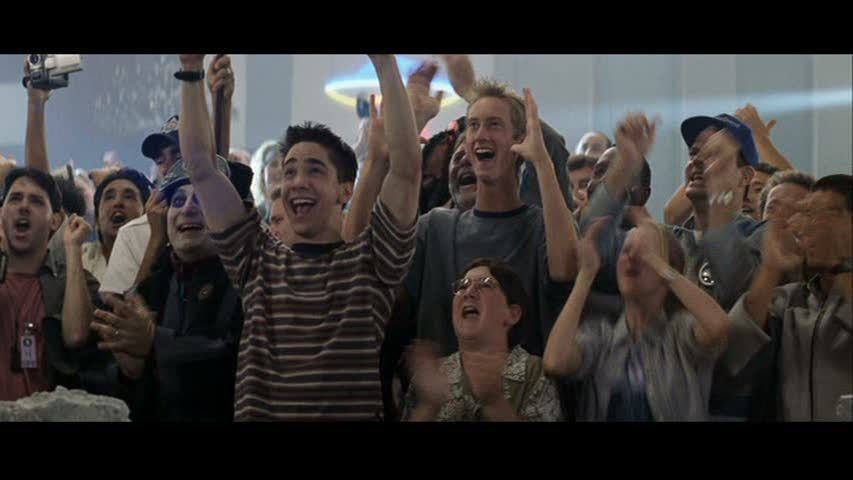
Crazy Fans

This week we watched a movie called Galaxy Quest, a movie about a TV show that has a huge fan base, and the actors have to experience the show in real life with the help of some fans. we watched this because it was a good example of the Uses and Gratification Theory, the idea that fans and audiences have consuming power in media, and the entertainers have to appeal, rather than just present to the audience. You would think movies or shows from big studios are guaranteed to be generally enjoyed, but the people have the power to collectively determine what deserves recognition and what doesn’t. Audiences consume media to attain some form of gratification and desire. If they can’t achieve their desired feeling, this leads to negative feedback. The theory divides these gratifications and needs into five categories, cognitive, affective, personal integrative, social integrative, and tension-free.

Cognitive needs are the need for something intellectually stimulating, to get a person’s mind thinking or learning something new. People achieve this through documentaries, the news, and how-to or educational videos that provide useful information for other times in life.

Affective needs are the need for emotional stimulation, getting us to feel and enhance emotions based on what we’re consuming. People watch love movies when they’re lacking or flourished in love, and the same for the need for laughter in comedies. Affective needs allow ourselves to emotionally connect and reflect with the media or the characters within.

Personal integrative needs allow us to compare and seek out traits within media to solidify our own beliefs and values, looking for reflections of one’s self. This is especially present in movies and TV shows, people fall in love with characters because they appreciate their actions and relate it to their own.

Social integrative refers to people connecting with each other through media. With the surge of the internet and wireless technology, this need has been especially prevalent as people feel more need to connect with others no matter where they are on the planet or time. Social media has become the main canvas to consume this gratification, as it’s built entirely around this concept.

Tension free is like a break from society, an escape from everyday duties where people are indulged in their own fantasy worlds while consuming media. This often comes in the form of fiction/science fiction movies, shows, and novels.

In the movie Galaxy Quest, many of these needs were on full display for the fans. The aliens that worshiped the “historical documents” (the TV episodes) used it for cognitive consumption, basing the entirety of their society on the principals of the show. The fans that helped the commander at the end of the movie experienced cognitive as well as personal integration, idolizing the actors for their heroic acts and complex ship systems. They also displayed strong tension free needs, as the kid was trying to enjoy what he loved but his mom kept nagging him with chores and responsibilities.

It’s A Mean World… If You Want it To Be

When adults tell us that media and our phones are scary, they might actually be right. Although they’re probably not referring to the “Mean World Syndrome”, I’m sure they’d agree with it too. Mean World Syndrome is the idea that the more harmful and negative things we see while we look at our phones or TV, we will actually start to believe the world is a getting worse (when really, it actually isn’t). It goes as far as even saying that you’re more likely to personally encounter these harmful situations just because you’re engulfed in it. I think it definitely makes sense, although crime rates have gone down, the sheer volume of how much it’s put in our face through media makes it seem like all good is gone. This is a fear tactic used by news outlets, they know scary and tragic events are good for buzz and gets people talking about it. While it’s good to know the dangers of the world, being flooded with it can’t be good for society as a whole. I find the concept that it’s more likely to happen to you if you think about it fascinating, and pretty true to an extent. I come from a very crime ridden town in Far Rockaway, and know first hand that simply acting cool and minding your business gives you a much better chance of not being robbed. It’s the people that look nervous and out of place that become a target for people who see them as weak and vulnerable.

In terms of the ethical codes the media follow, I was pretty surprised to see how it worked. The biggest thing that stood out to me was how most of the time, media outlets do not face legal trouble for misleading or wrong information. Yeah, technically the first amendment makes it not illegal to lie, but I think the standards should go above regular defamation, extortion, etc.

What I found most interesting were the Power of Authority experiments we watched. I had seen the prison experiment and the shock experiment in psychology classes before, but applying it to media opened a whole new world of thoughts. It’s amazing what any ordinary person can convince one to do when given the illusion of authority. The McDonald’s employee strip search was very surprising though, and although I want to say she acted very incautiously, I can’t say I know exactly what I’d do being in that situation. I guess it’s a lesson to all of us to think for yourself and not let false prophets fool you.

OG Movie Industry

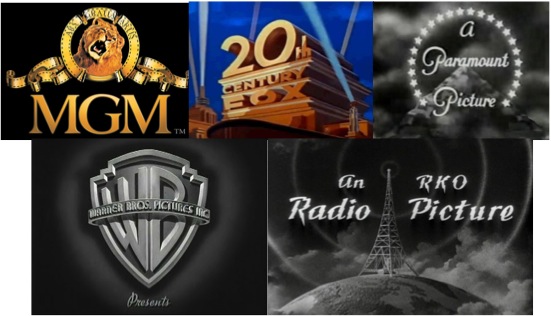
In being able to appreciate anything, especially art mediums, you have to study and learn from its origins and history. This is especially true in the movie industry, especially if you want to understand how to make and sell a movie of your own. Turns out it’s a lot harder than one would think, you can’t just have an idea and make millions off it like some may think. “The Structure of New Hollywood” by Tom Schatz explained how in the 1920’s and 40’s, the movie industry adopted the “studio system”, mirroring the industrial revolution in having a factory-like approach to making movies. They had 3 systems working for different parts of the movie, production, distribution, and exhibition. There were 8 major Studios, and the “Big 5” were studios that were vertically integrated, meaning they were were responsible for all 3 of these steps and did them their selves. MGM, Fpx, Paramount, RKO, and Warner Bros. were the big 5, and if you wanted a big movie you had to go through them.The movie industry flourished, and was considered by many to be in it’s prime. That is until the government passed the Paramount anti-trust decree, breaking up the power studios had and led to them putting the creative keys in the hands of independent producers and directors, for who which the studios would then produce the film for.

The part that shocked me the most was the documentary we watched, “This Film Is Not Yet Rated.” It blew my mind how ridiculous and confusing the censorship has been from the MPAA, the ratings committee that rates all movies in America. There was no set rules or standards to go by, the ratings were unfair & anonymous, and good luck trying to appeal a rating especially if you got an NC-17. The board finds ridiculous things inappropriate, and provides no justification into unfair comparisons between films. They constantly contradict themselves and block artists creative minds from flourishing. As an artist myself, this is especially angering because I know if someone told me I couldn’t create what was in my head, I would be furious. It just sucks that there’s no way around them and if you really want to make money with your movie, you’re going to have to deal with them and pretty much accept what they want out of your film. It’s frustrating as a consumer as well, knowing you can’t be exposed to a director/producer’s true creative mind because of a bunch of random adults (who turn out to be people linked back directly to the studios) who don’t know what the public wants if it was waving in front of them.

Women Pioneers, E.R., and The Good Old 80’s

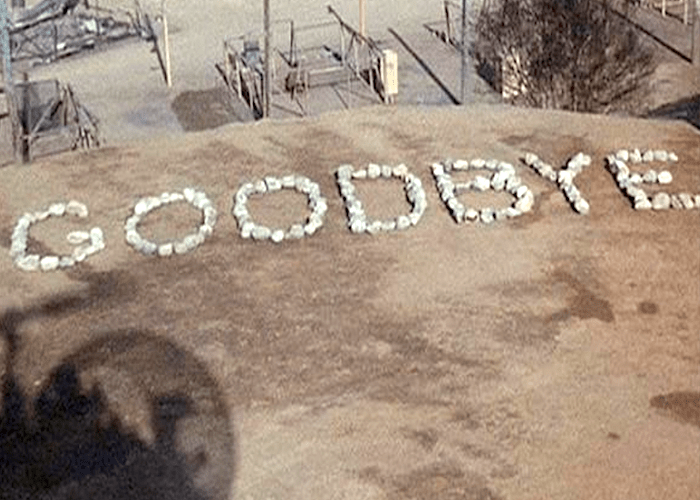
For the this week of television, we visited a few different shows and genres. We looked at the pre-cable era, the transition of it’s ending, and how cable television began. The dawn of the Funny Ladies, shows like E.R, Dallas, and M.A.S.H., they all literally moved the hearts of a huge mass of America. For M.A.S.H.’s season finale to hit 123 million viewers in an era where not everybody had televisions the way we do now is insane, so insane that the record still holds today. Which is an interesting point, showing that not many shows have been able to pull off a successful ending, perhaps usually due to the fact that it’s ending because of bad tensions or actors leaving. These factors don’t usually translate to good production on the screen, especially with something as sensitive as a final episode to a beloved show. So kudos to M.A.S.H. for pulling that off!

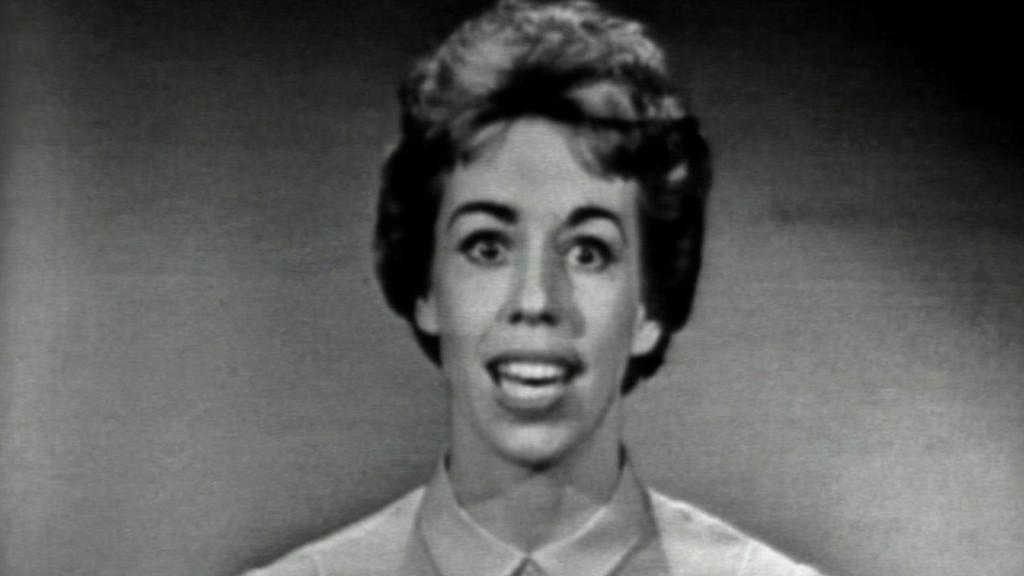
The Funny Ladies, names like Carol Burnett, Betty White, Mary Tyler Moore, and Lucille Ball all inspired a generation of women to push boundaries and assert their way into comedy, becoming pioneers for things they couldn’t have even imagined. In an era where gender roles were often exaggerated, these ladies gave women everywhere a sense of identity and a charming character they could still relate to because they were goofy like the everyday person. That’s usually who my favorite actors are, ones that portray what people actually are like and not some perfect flawless movie star.

My favorite part of the week was definitely watching the E.R. episode. Reading the article before class, I read how people said it was applicable to today and fast paced, but that was an understatement. I’m not usually one to watch television or shows, but I did find myself at the end of my seat when scenes got intense, like the little girl running out of oxygen in the broken elevator, or the man stuck under the rubble. It did however have a slight, cheesy old school ending of “everything worked out perfect in the end” (Other than the brief moment of sadness when the old lady died). The camera movement was just excellent, something I didn’t even notice until late in the episode because I was so drawn into the story line. When I had to use the bathroom I had to at least make sure I left on a commercial so I wouldn’t miss anything big. I think the characters were very well rolled and the cast executes just as good. While I don’t have much plans to watch more television, E.R. is definitely on my list for something to turn on if I do choose to watch something.