Spiral of Silence, Outrage, and the Full Circle

On Wednesday, we discussed the Spiral of Silence Theory, Outrage in media, and went full circle from Rushkoff’s Merchant’s of Cool to Generation Like.

Elisabeth Noelle – Neumann developed the Spiral of Silence Theory.
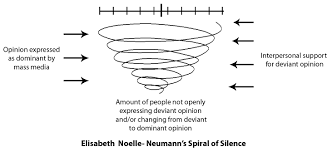
This Theory suggests that people tend to keep their opinions to themselves when they think they’re in the minority or of the unpopular opinion group. I know people who haven’t shared their opinion because of this and I know there have been plenty of times where I have stayed quiet because I was not thinking the way everyone else has. Other times I have stood up and spoke my opinions when I was in the leadership position of that group. The examples I am thinking of are when I was the captain of a sports team growing up, and then like we discussed in class, on social media, there are so many debates on morally charged issues that bring a lot of controversy. I do not partake in those because it really is not needed to on social media, and because I do not want to get attacked online. Despite this, I agree with the theory because it happens probably millions of times a day.

We then watched a clip on Youtube called the outrage machine by RetroReport. This brought to attention how “Trash TV” was what the public responded to most. Shows such as Jerry Springer got a lot of attention and love because the audience was able to comment on somebody else’s issue and say whatever they wanted. One quote that I took away from the video is that:

“The loudest and angriest opinions get the most attention. Not everyone knows all the facts, they just form opinions all too quickly”

This quote speaks for our world back in the 90’s and still today.

We then went full circle in the semester and watched David Rushkoff’s “Generation Like” and compared it to the first day of classes when we watched “Merchants of Cool” THe biggest difference between the two documentaries is that in Merchants of Cool, companies would try to sell back what was cool to teens, and in Generation Like, teens just put themselves out there because they want the validation to seem cool to others.

The amount of ‘likes’ someone has these days, determine how “cool” they are and that is all people care about anymore. I know that when I was 14-15 years old I would try to get the most likes on everything I posted by making sure it was at the right time, that my caption was good enough and a lot of other bullsh*t. Looking back I hate that cared so much about things like that, because society made it seem as though I was not good enough if I did not have a certain amount of likes on a picture that I posted.
Theories and Fan Power

The media has five different needs and gratification theories which are:

Cognitive, Affective, Personal Integrative, Social Integrative, and Tension Free.

Affective needs satisfy emotions through music, books, film, TV, comics, etc. Personal Integrative needs help people measure their status in society. Social Integrative needs fills the need to communicate with friends and family to retain relationships. Examples of this are people who seek out commonalities among groups that watch the same show, play a video game, go to a convention, etc. There are numerous groups out there…even Bronies.

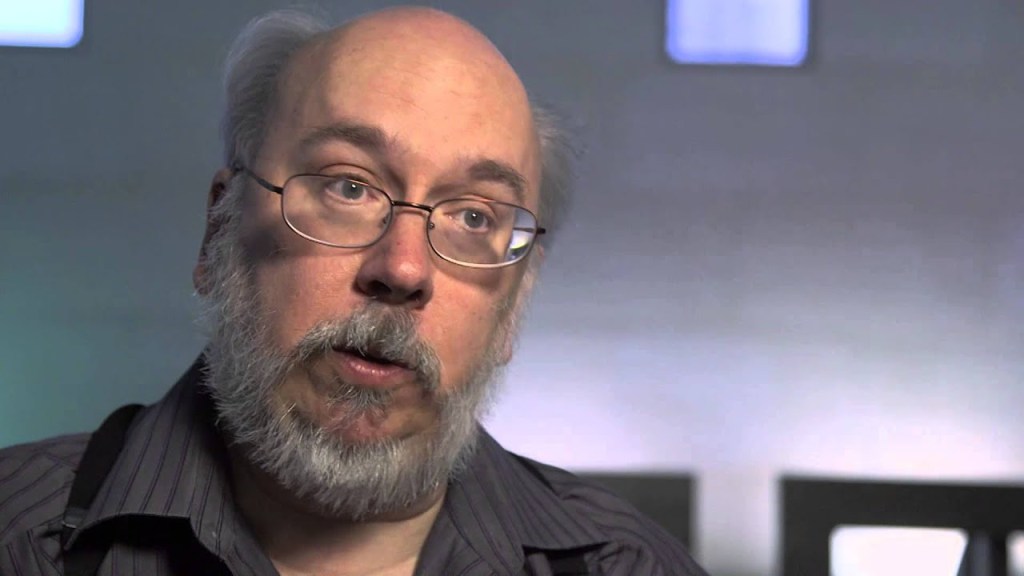
We then watched Henry Jenkins on Participatory Culture.

Henry Jenkins

A participatory culture is a culture with relatively low barriers to artistic expression and civic engagement, strong support for creating and sharing one’s creations, and some type of informal mentorship whereby what is known by the most experienced is passed along to novices. A participatory culture is also one in which members believe their contributions matter, and feel some degree of social connection with one another (at the least they care what other people think about what they have created). (Kulowiec, A Medium Corporation).

A quote that I took from the video that I found to be powerful was that “They don’t need us snooping over them, but they do need us watching their backs”.

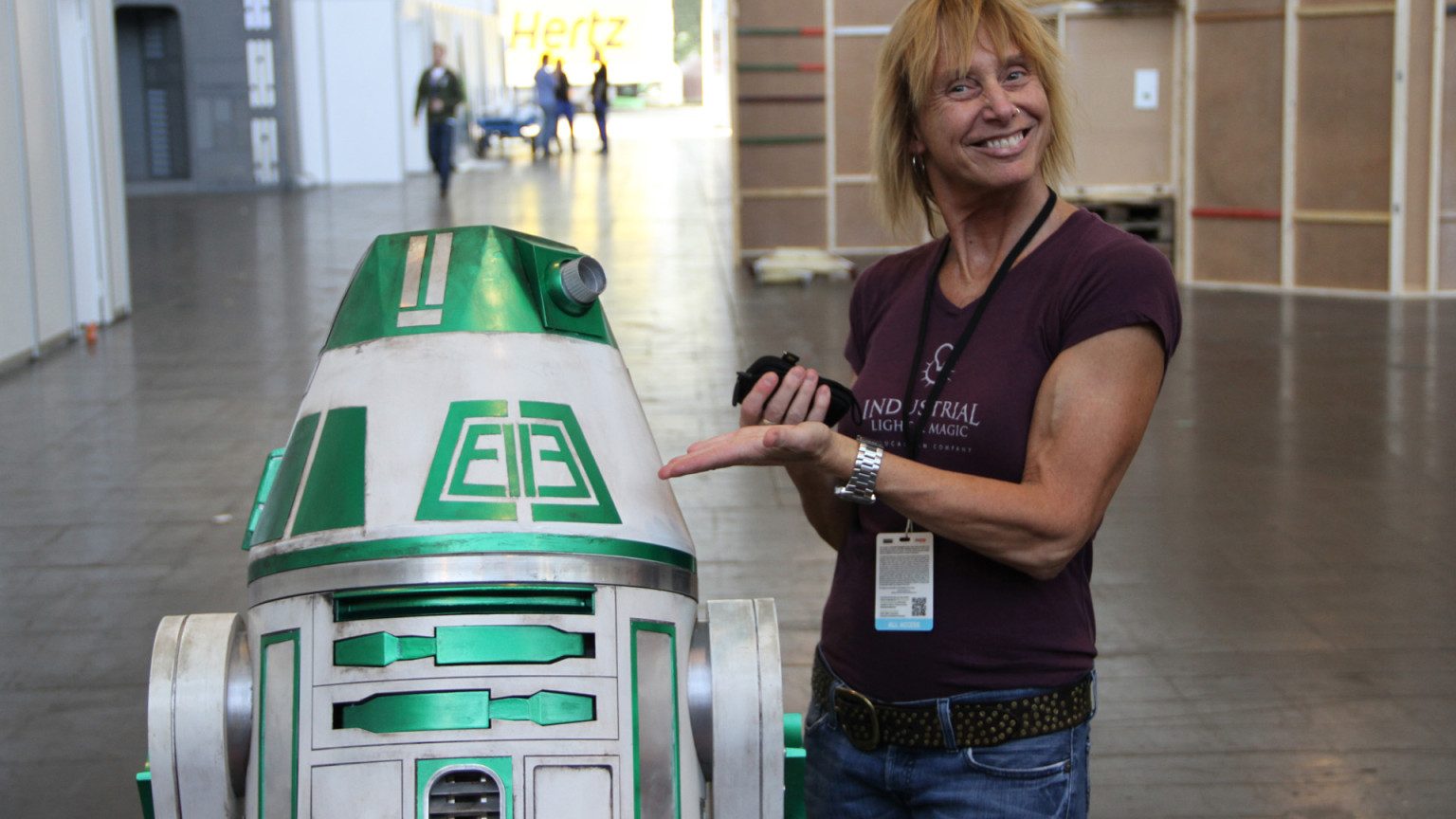
We then watched a TED Talk by Mary Franklin, former Sr. Events Lead for Lucas Film, a position in which she coordinated various marketing and promotional events for the company. She had gotten this position because she is such a huge fan of Star Wars and was apart of the StarWars online fan club; which plays back into social integrative needs. She was able to help the company because being a fan, she knew what everyone wanted to see or happen.

Newsroom Fiasco & Entertainment

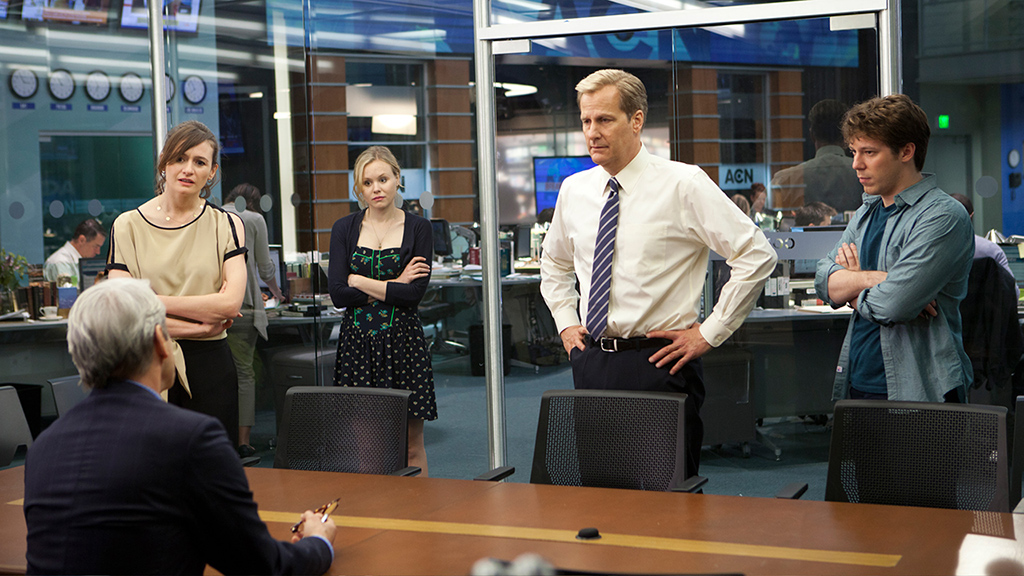
Both Monday and Wednesday in class we watched episodes of The Newsroom. Right now I am taking a journalism class so I thought I would have a little understanding of how things are ran in a news office, however it definitely was not what I thought. Though the concept of digging through events or issues to find the most newsworthy and being able to sum it up for the leading statement and typical journalism rules, It ended up being more exciting/crazy than I pictured.

The beginning of the first episode “We Just Decided To”, A panel discussion is taking place and all of the candidates are asked, “What makes America the greatest country in the world?.” Will MvAvoy has pretty much avoided every other question at this point by making a joke until they made him actually answer, to which he snapped and didn’t sugarcoat the answer. He told the truth that nobody wanted to hear. That America isn’t the greatest country in the world anymore, and how we need to do something about it. The question at this point is, How does he win back Americans after suggesting the country is not as great as public figures make it out to be.

After his burst, he had gotten a lot of negative feedback and hate, raising the stakes to come up with a perfect angle to the perfect story to cover to win everyone back.

That is when the oil spill in the Gulf happened and they told different story than everyone else and they knew things were going to be okay.

In Wednesdays episode, the focus point was on how they were losing ratings because a very high percentage of people were changing the channel within the first 10 or so minutes. The team is then forced to decide to report on what the audience wants to see vs. what they believe they need to see.

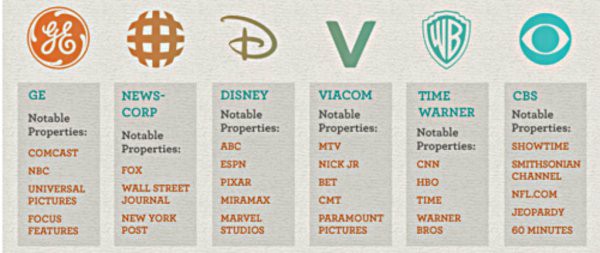
The other topic we discussed this week was how entertainment services have changed throughout the years. In 1983, 90% of American media was owned by 50 companies. That may not seem like a lot to some people but in 2011 it was proven that the same 90% was owned by just 6 out of the original 50.

Big 6

These big six leave little room for competition, and numerous job opportunities for people.

Social Science and Human Behavior

Human behavior can be changed by a almost anything. Studies attempting to discover why date all the way back to the 1920’s. In the first attempt to study media affects from 1929-1932 scholar Herbert Blumer led a group of scientists in conducting a series of studies aimed at discovering the overall impact movies have on children and adolescents. This research is now referred to as the Payne Fund Studies, named after the private foundation Payne Fund, which provided the financial backingnecessary for the project.

Agenda-setting describes the way that media attempts to influence viewers. News broadcasts use this theory to “help” viewers decide what is the most important issues in the world at that moment. In class, we looked at a video concerning a former congresswoman that was interrupted by breaking news, it must be something very important to the world, right?

WRONG. Justin Bieber got arrested, what a tragedy.

At least he is smiling for the camera !!

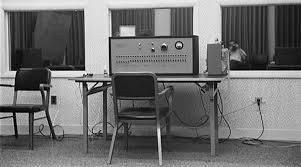
We also watched a film concerning human behavior and how it changes based on obedience to authority.

In May of 1962, a human experiment was conducted using a shock method. The subjects were unaware of what he was really studying. He used teachers and students and led them to believe that the students would learn better when they are shocked, however, the was really testing how far the professors would go on the voltage. Some teachers questioned it and stopped while others went to the highest voltage they could because that is what they were told to do; it doesn’t matter if it is ethical.

There was also an incident in a Mcdonalds where a random caller pretending to be a detective called a manger accusing a teenage girl employee of stealing. The caller then instructed the manager to strip search the young girl, and then call in her fiancé to keep an eye on her. Neither of the two adults questioned the caller and things were taken way out of hand and a sexual act was instructed by the caller and the fiancé made the girl par take in the disgusting actions.

Studies show that people are less likely to help in a situation if they are in a group of people. They will wait for someone else of the group to take action first. However if they are by themselves, then they are more likely to act out and do something about it.

An example of this is fraternity boys practically watching and letting a pledge die because of hazing gone wrong. Another is when a woman was stabbed to death, her scream heard by at least 30-50 people and none of them called the police. One person did, but it was far too late to save her.

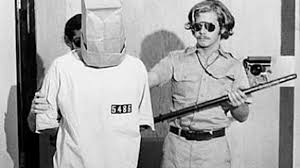
Another experiment concerning obedience to authority was the Stanford prison experiment held in 1971.

They had 70 men volunteer to participate in the experiment and they ended up taking the 24 strongest and healthiest. Guards were given a uniform while the prisoners were practically dehumanized by getting numbers in place of their names. It was taken as a joke at first, with the prisoners rebelling the first night. But then one of the guards decided to step up and be the hard ass and make their lives a living hell. By the second day some prisoners were taken into solitary confinement. Prisoner 8612 suffered from a mental breakdown and was sent out of the experiment. The guards continued to force the prisoners to perform weird things, they even made them preform a skit tell each other that they loved each other. There was another mental breakdown however the guards kept pushing the prisoners because nobody was telling them when enough was enough. Things got way out of hand to where it felt real rather than an experiment. One of the guards fiancé’s came to visit and saw the horrors of the prisoners with paper bags over their heads and said that what they were doing to those young boys was terrible. She threatened to leave the guard if this was who we was becoming, thinking that what he was doing was okay. The experiment was shut down after just 6 days.

Svengoolie, Funny Ladies and 80’s Sitcoms

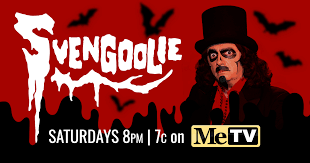
I had personally never heard of Svengoolie or horror movie hosts until this past week (Sorry Dr. Schlegel!). However, I can relate to staying up late and watching scary movies with my family or any movie genre really. Svengoolie is a hosted horror movie show. The show is a long-running local program in the Chicago area and in recent years expanded nationally, airing Saturday nights on MeTV. When I was younger, we would have a movie night every week and my brother and I would get to rearrange the living room and lay down a bunch of blankets and pillows on the couch or the ground with popcorn and snacks and we would all sit together and watch something, and it made us a lot closer and brought us together more.

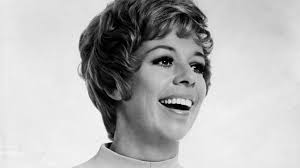
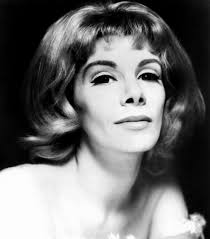
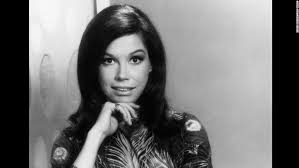
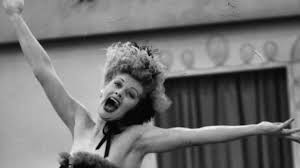
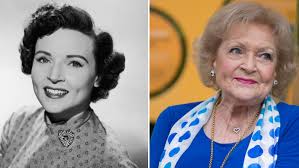
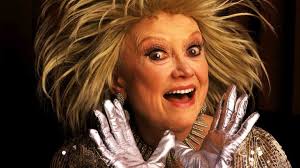
Comedy crosses boundaries, and in the 1950s, ’60s and ’70s, many female entertainers struggled just to enter the male-dominated world of stand-up and television. Acting dumb and playing down their looks were some of the strategies these funny ladies employed to be taken seriously. The Pioneers of Television’s Funny Ladies are, Carol Burnett, Joan Rivers, Mary Tyler Moore, Mary Gibbs, Lucile Ball, Betty White and Phyllis Diller. These women paved the way for comedy and acting for women who we all know and love today.

Carrol Burnett’s moment of fame came when she sarcastically sung “I love John Foster Dulles” to mock girls drooling over Elvis.

Joan Rivers got into comedy and earned a gig working for six dollars a night. In her comedy, Joan brought up “things a lady should never talk about”. She would say the things that everyone is thinking but would not dare say out loud.

Mary Tyler Moore or “America’s Sweetheart” started out dancing and had no problems getting supporting actress roles after that because of her good looks, and she got her fame when she landed the Dick Van Dyke show.

Mary Gibbs was on the Ed Sullivan Show and then The Jefferson’s and eventually 227.

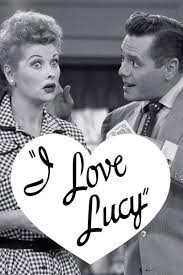
The I love Lucy, show starring Lucille Ballwon five Emmys during its six-year run from 1951- 1957. As silly and scheming as Lucy was and as bossy as Ricky could be, there was heart underneath their incessant bickering. The entertainers were married for 20 years. Ball, nearly 40 when the sitcom premiered, became one of America’s most beloved funny ladies

Betty White
Phyllis Diller

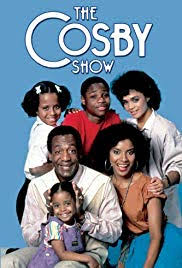
The 80’s sitcoms and tv show series that were hour long events brought families, friends, and even strangers closer than ever when it came to be air time for shows including, M.A.S.H, Cosby Show, Cheer’s, Hill St. Blues, and St Elsewhere. Both Hill St. Blues, and St. Elsewhere paved the way for E.R, of of the greatest medical shows of all time.

What’s Better than TV or the Seventies? Nothing.

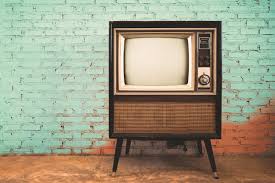
Can you imagine growing up without a TV?

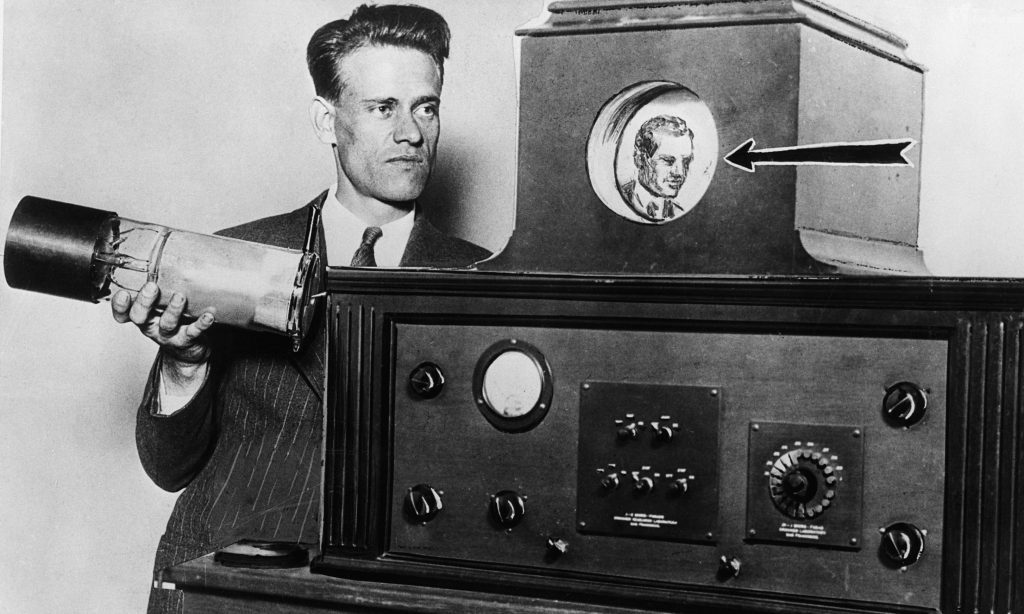
Ever since Philo Taylor Farnsworth invented the television in 1927 when he was just 21 years old, the world was changed forever as the TV has been a set piece that is supposed to go in a family living room. I cannot imagine being that young and having such and impact on the world.

Philo Farnsworth with the TV

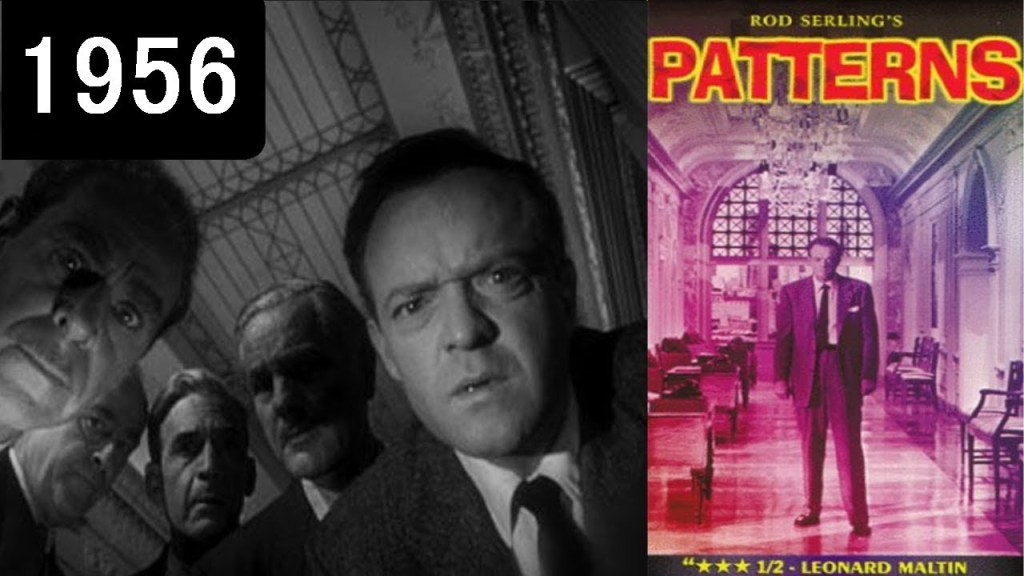
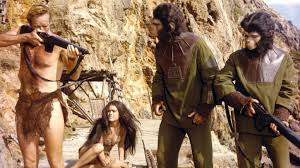
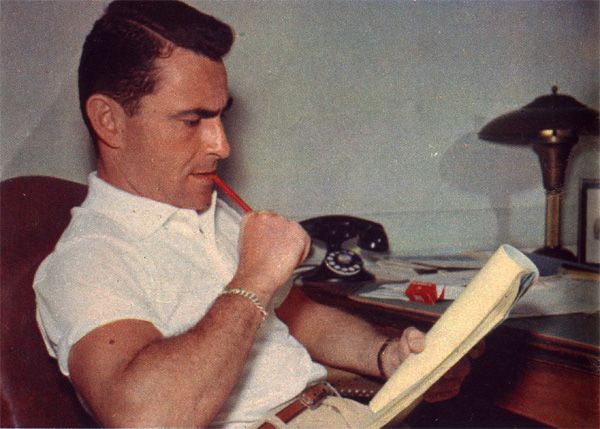
When the fifties rolled around, Rod Serling, who before television was a struggling freelance radio writer, finally branched out into TV business and wrote a script for the drama, “Patterns” which he later won an Emmy for. Sterling is known for his work “The Twilight Zone”.  The show was strange mix of horror, science-fiction, drama, comedy and superstition. He wrote 80 out of the 150 shows that aired in its early years. He also was co-writer for the famous film, ‘Planet of the Apes”.

Rod Serling

Serling spent his later career hosting Rod Serling’s Night Gallery and teaching screenwriting at Ithaca College. Over the course of his career, Serling wrote an estimated 252 scripts and won a total of six Emmys. Serling was around this area which I personally think is a great addition to the story for us because it makes it hit closer to home in a way.

In May of 1975, when he was 50 years old, Serling had a heart attack while running on a treadmill. A couple of weeks later, he had a second heart attack, at his cottage on Cayuga Lake, and was sent to the hospital for open-heart surgery. On June 28, 1975, Rod Serling died at Strong Memorial Hospital in Rochester, New York.

Now lets talk about the seventies and its impact on TV.

“The 1970s have always been America’s misunderstood, enabling middle child of the late 20th century, seemingly nowhere near as tumultuous or sea-changing as the ’60s, or as socially and economically polarized as the 1980” – CNN

Every show only had one sponsor, which is honestly impressive compared to how many advertisements and sponsors are given in a TV show today.

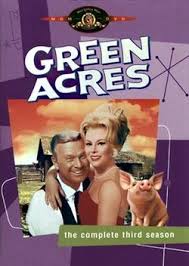
The evolution of TV news and entertainment mirrored social and political events in the decade. At the end of the ’60s, with Vietnam still raging and social upheaval in many corners of the nation, TV was used as a way to escape from the bad things, sitcoms such as “Green Acres” and “The Beverly Hillbillies” that had nothing to do with what was going on in the real world at the time. The documentary also examines the changes in sports coverage during the 1970s, including the debut of “Monday Night Football,” which began on ABC with a broader playing field, as it were, designed to engage viewers who weren’t just interested in the games.

For a while, television seemed to be making up for lost time in the area of diversity alone, but then it seemed to get institutional cold feet. The definition of a family was recast again, back to mythological good old days, with shows like “The Waltons,” “Happy Days” and “Little House on the Prairie”