Social Media and the Spiral of Silence

In class this week, we briefly discussed social media and the spiral of silence theory.

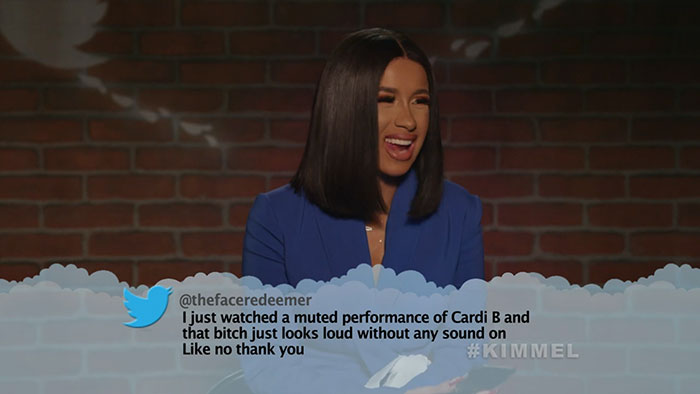
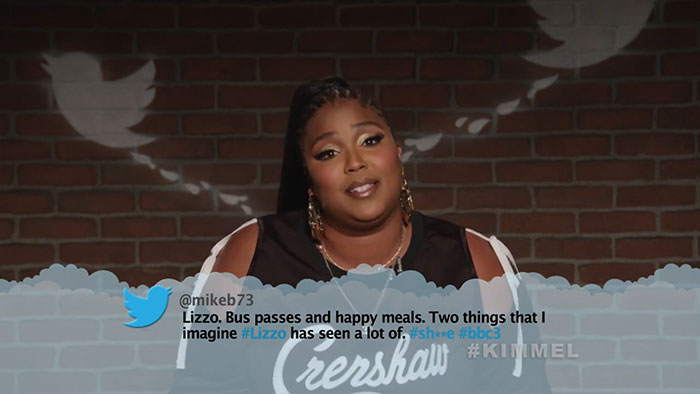
More and more every day, social media advances and raises the question of how free we really are? Though social media can be a beautiful place to go spend your time and connect with your family, friends, and peers; it also can be a negative and toxic place. I think it is really common for youth, young adults, and adults to voice their opinions on specific things online since it is easier to do than in real life. Believe it or not, people actually listen. That sense of security, makes everyone feel better, and makes them feel powerful and heard, But sometimes the opinions that people preach can be extremely cruel, hurtful, or offensive. Social media including Facebook and Twitter have the highest amount of members so liking, commenting, or sharing negative things can be damaging towards both the victim and the harasser. 
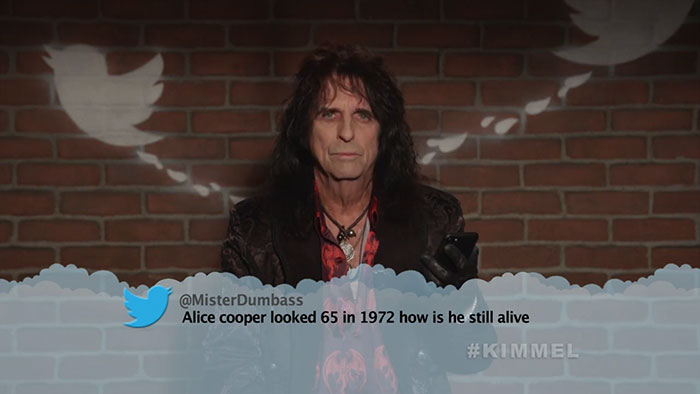
It is impossible to evade criticism nowadays. There are simply too many review sites for you to keep anything quiet. Word-of-mouth recommendations mean so much more than they used to pre-internet because one harsh comment can spread around the globe instantly. If someone criticizes something, it is important to respond and to respond constructively. Not only is this good morals, but it also reassures anyone who stumbles on these comments that you do care and that you actively try to resolve negative situations. In addition, leaving criticism without a reply merely serves to reinforce their statement.

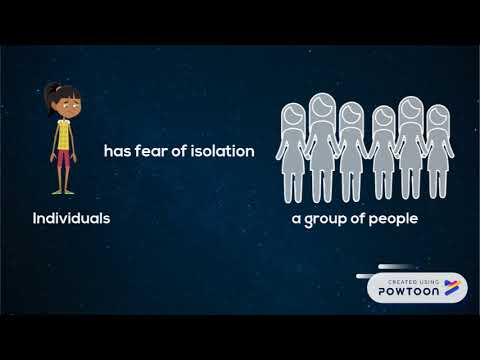
Originally proposed by German political scientist Elizabeth-Noelle Neumann 1974, Spiral of Silence is a theory meant to refer to the tendency of people remaining silent when they feel that their views are in opposition to the majority view on a subject. This theory suggests that they remain silent for a few reasons:  I) Fear of isolation when the group or public realizes that the individual has a different opinion from them. II) Fear of more extreme isolation including losing a job or friends. III) May feel unsupported by other employees.

The closer an individual feels their opinion resides to the held majority opinion, the more likely they are to be willing to voice it in public discourse. There are two major factors to mention. One is that this theory relies heavily on the idea that the opinion must have a distinct morally changed issue (abortion, gay marriage, or drug legalization.) No one will experience the spiral of silence when trying to decide with your roommates on the toppings you want on pizza.
U&G and Fandom

In class this week, we discussed the Uses and Gratifications Theory and fandom. The U&G Theory is an approach to understanding why and how people actively seek out specific media to satisfy specific needs. The U&G Theory is also an audience-centered approach to understanding mass communication. It assumes that the audience members are not passive consumers of media. Rather, the audience has power over their media consumption and assumes an active role in interpreting and integrating media into their own lives. Unlike the other theoretical perspectives we talked about, the U&G Theory holds that audiences are responsible for choosing media to meet their desires and needs to achieve gratification.

There are several needs and gratification for people. They are categorized into five needs: Cognitive: Refers to acquiring information to aid the thinking and understanding process. People use media such as documentaries and how-to videos to increase their skills or knowledge in a certain area.

Affective: Relates to emotions or feelings. People use media to arouse certain emotions within themselves, such as happiness, fear or pleasure.

Personal Integrative: Refers to promoting one’s own image, reputation or status. People with this need use media, like Facebook and YouTube, to increase their credibility or social standing or to affirm their sense of self.

Social Integrative: Refers to interacting with family and friends. People use media to connect with others.

Tension Free: Relates to diversion and stress relief. People use media to escape from reality.

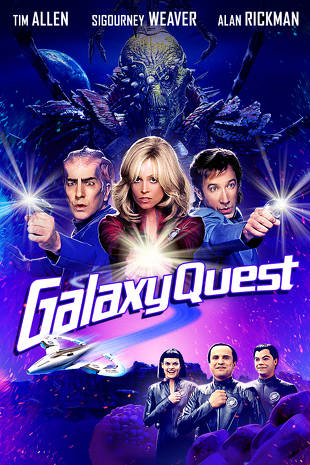
To support the U&G Theory, we viewed a film called Galaxy Quest. Galaxy Quest focused on this alumni cast of a space television series having to play their roles as the real thing when an alien race needs their help. However, they also had to defend both Earth and the alien race from a reptilian creature. Galaxy Quest was incredibly huge when it came to fandom because it was powered by fans who deeply cared about the show. Galaxy Quest was the first film that put fans at the center of the action and really foretold the era we are in now, where fans are the most powerful force in entertainment.

As well as Galaxy Quest, fandom also occurs in television shows including  Family Guy. Family Guy was a television series that had been cancelled many times, but because of its fans, the show had been reborn and renewed. Fans hold such power because they are much more than consumers. They are advocates and influencers. I believe the power of the fans is the most important thing for entertainment. Fans will dedicate a lot of their time supporting and looking up to someone they admire and receive inspiration from them. The thing about fandom is that many celebrities do not give much attention to them and do not receive any credit. They do not realize that fans are everything. I do not think a person would be successful without his or her fans.

News and Information

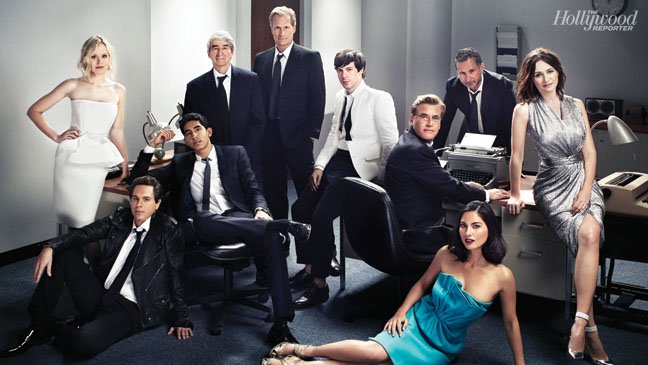
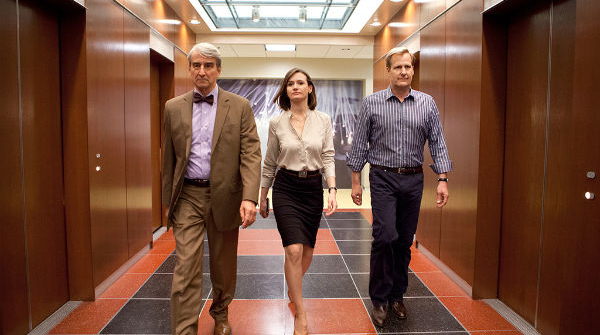
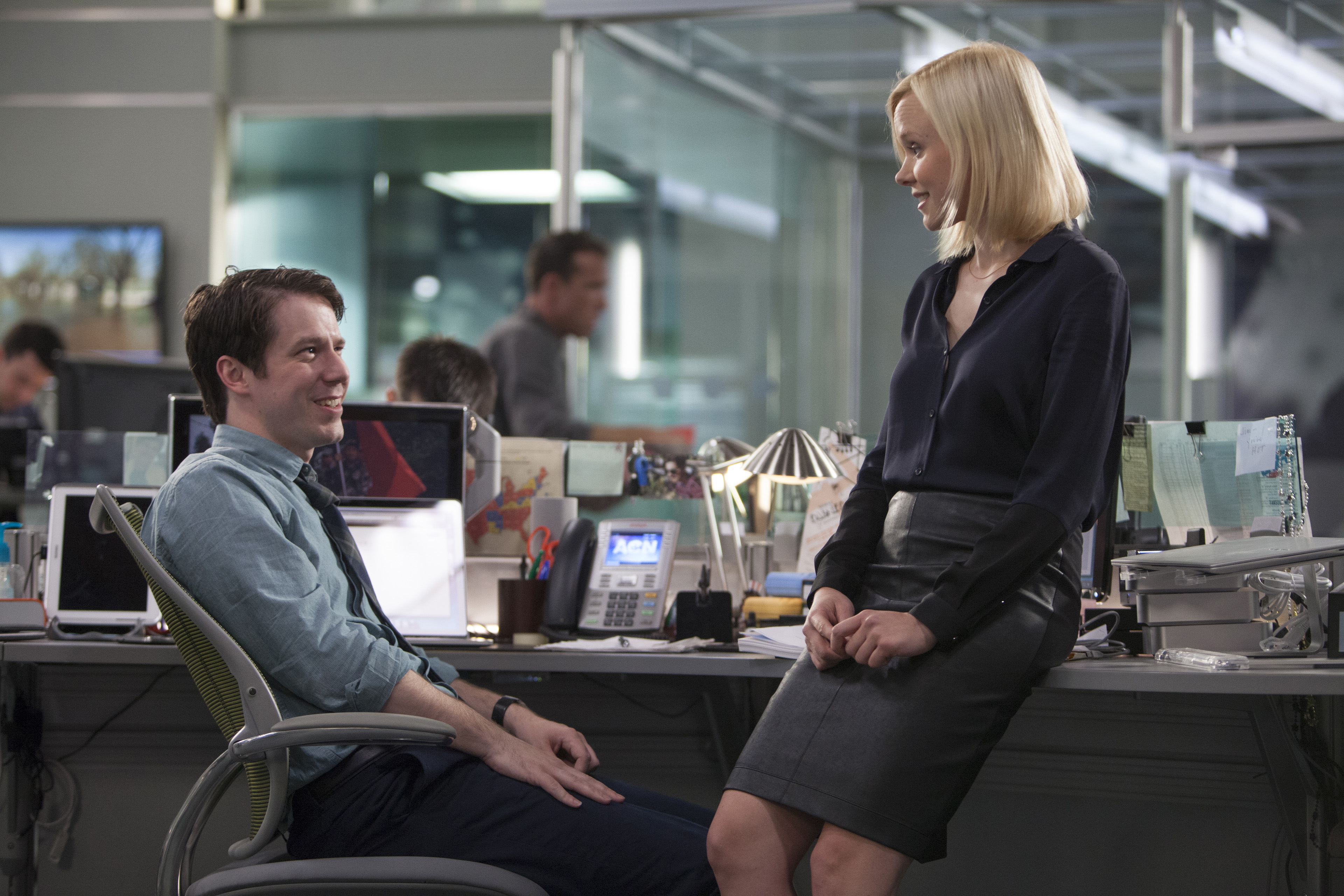
This week in class, we heavily discussed the media’s effect on news and information. By doing so, we watched two episodes of The Newsroom.

“We Just Decided To” was the pilot of The Newsroom, which was the first episode we watched during class. In the opening scene, news anchor Will McAvoy, is asked by a college student why America is the greatest country in the world. Being a well-respected and unproblematic man, he answered truthfully, saying it is not. He went on and said he believed in the country America used to be.We longer have our Golden Age. After the aftermath of his comment, he returned back to his job to find that most of his staff left and his new executive producer is his ex-girlfriend. To sum everything up, him and his team, had to work together to cover the disastrous oil spill in the Gulf of Mexico.

“The Blackout, Part 1: Tragedy Porn” was the last episode we watched during class. We discovered the news team lost half of their ratings due to the increase of ratings to another news network. For the ratings to improve, the news team had to cover the Casey Anthony case, which was about a woman who was accused of murdering her three year old daughter, Caylee. But by covering this story, it jeopardized many other worthy stories that could have been covered.

Personally, I enjoy keeping up with the news. I believe staying up to date with the news is an effective and beneficial way to have lots of knowledge about things that are currently happening in our world, good or bad. Especially, the fact that our country has never been so cruel and harsh to each other, it is so important to know about every little detail. We are facing a shit ton of news which the news itself cannot even handle. The impeachment on Donald Trump has been something every single person living here in the United States of America should care about. Whether you are in favor of him or not, this is not going away. We cannot pretend this not happening!

I am not going to lie, I get most of my news on social media, especially on Twitter. Twitter has this feature where it has the top ten most important things going on that day, and most of the time it is only silly things. Getting my news from Twitter is better than not receiving news at all.


Media Effects and Theories

This week in class, we discussed many different things.

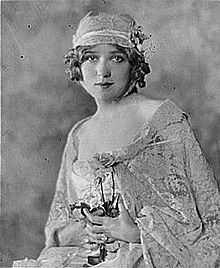
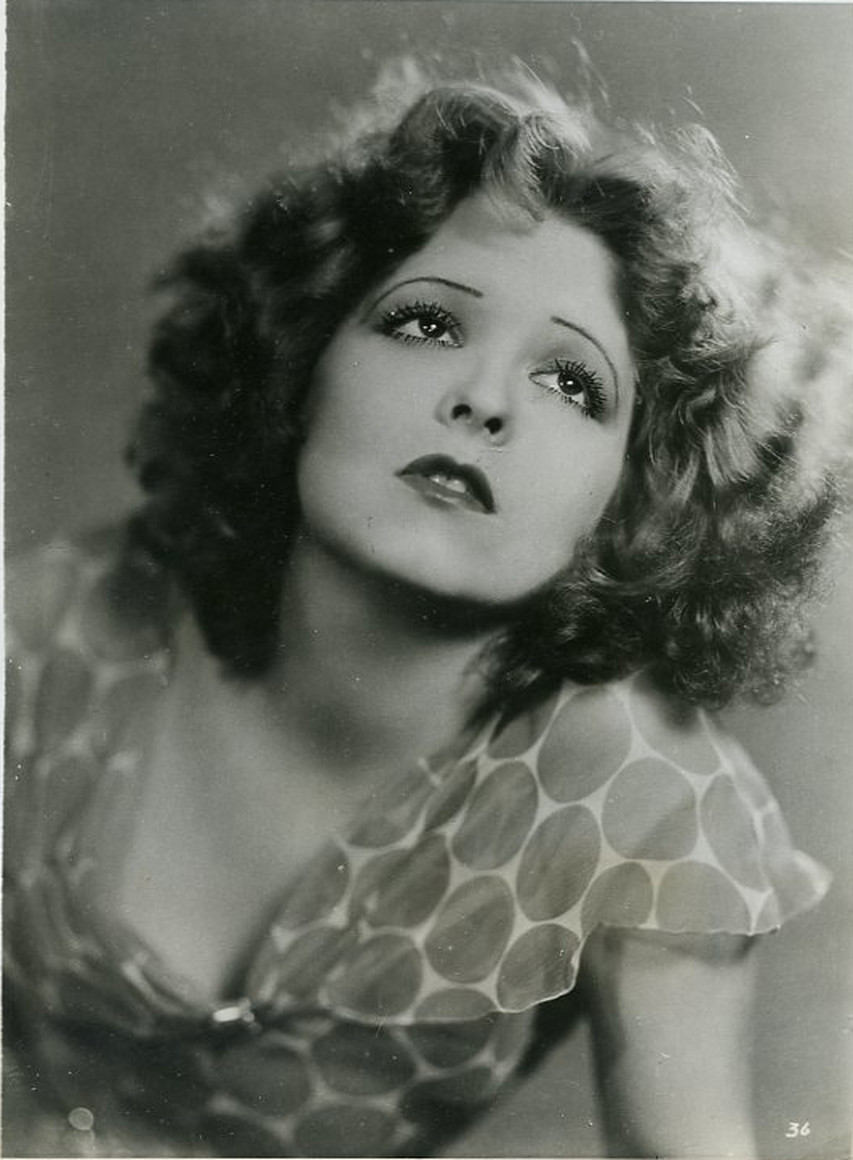
On Monday, we watched a documentary called “Why Be Good?: Sexuality & Censorship in Early Cinema.” This documentary reflected an overview of the portrayal and influence of sexuality on film, from the silent era until the administration of the Hays Code in 1934. We learned about the earlier days of film, and pre-censorship from state to state. We learned how scandals caused Hollywood to try and keep negative news out of the media. We also heard how stars such as Mary Pickford, Marlene Dietrich, Clara Bow, and Mae West gave others new attitudes and beliefs towards sex.

After the documentary, we talked about cultivation theory. Cultivation theory was proposed by George Gerbner, and is one of the main theories of media effects. According to the theory, people who watch television frequently are more likely to be influenced by the messages from the world of television. The influence goes to such an extent that their world view and perceptions start reflecting what they repeatedly see and hear on television. Television is, therefore, considered to contribute independently to the way people perceive social reality.

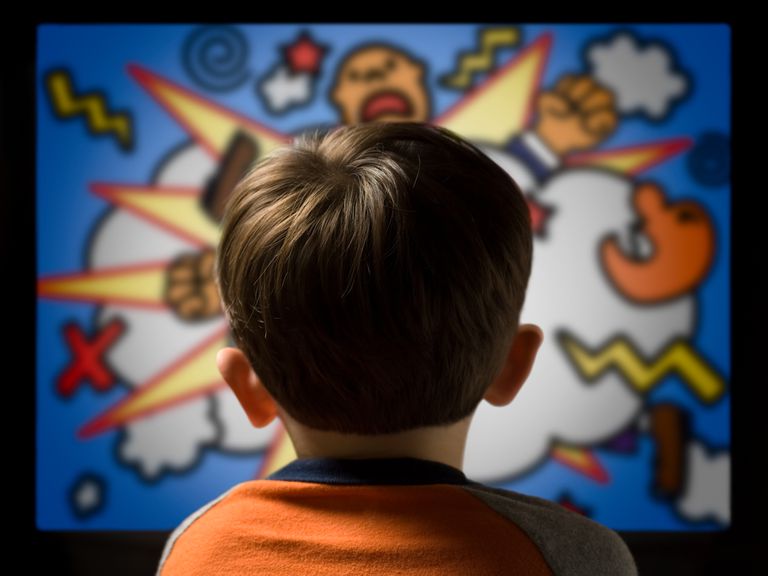
Cultivation theory has been widely used in the study of violence in television. The theory has been used to explain how children who watch violent cartoons become violent themselves. Repeated exposure to violence on television reinforces existing beliefs that the world is a dangerous and unsafe place. Exposure to television further strengthens the position that acts of violence are a natural response to situations of conflict.

During Wednesday’s class, we discussed another core theory of media effects, which is agenda setting. In media, agenda setting determines the agenda for which stories are considered important. When major news happens, the world’s mass media organizations take notice. Whether it is the President of the United States making an announcement or an incoming storm approaching, when it is a story that affects people, the news media is on alert to cover it, They provide viewers with the facts and information they need to understand what is happening. But sometimes it may seem, with so much media focus and scrutiny on a single event, that the mass media is missing or even ignoring other important stories. This is agenda-setting theory.

Another thing we discussed is the murder of Kitty Genovese. Genovese was a 28 year old woman who was murdered in her apartment building. There were about 38 witnesses who saw the incident, but did nothing to stop it. This is known as the bystander effect. Her killer was Winston Moseley.

Motion Pictures In Media

Do you ever wonder who the people are who decide the ratings on films? These people are members of the Motion Picture Association of America (MPAA). An incredibly secretive board decide whether or not a movie is G, PG-13, R, and NC-17. I would not personally think that much about a rating because I could care less what a film falls under. If I think a movie looks interesting, regardless of its MPAA rating, I will watch it.

In my opinion, Americans are kind of fearful when it comes to sex and nudity on screen. We can put a bullet through someone’s head, but to show a little pubic hair, you will get slapped with a NC-17. Why is that? What are we so afraid of?

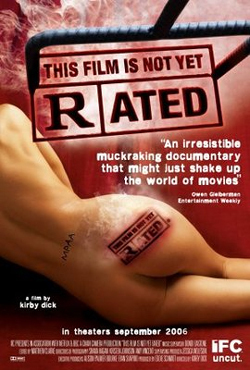
For class this week, we watched the documentary “This Film Is Not Yet Rated.” In this documentary, Kirby Dick exposes the MPAA system. This film is divided into three sections. The largest one we see various filmmakers (Kimberly Pierce, John Waters, and Kevin Smith) revealing the problems they have experienced because of this American ratings board. The second section features the director’s efforts, with the help of his private investigator, uncover the identities of the film raters. In the film, we find out the MPAA members are just ordinary people with families of their own. The last section focuses on Kirby’s own censorship trouble. He sent a rough cut of the documentary to the MPAA, receiving the NC-17, and so we get to see his frustration as he tries to appeal the controversial decision.

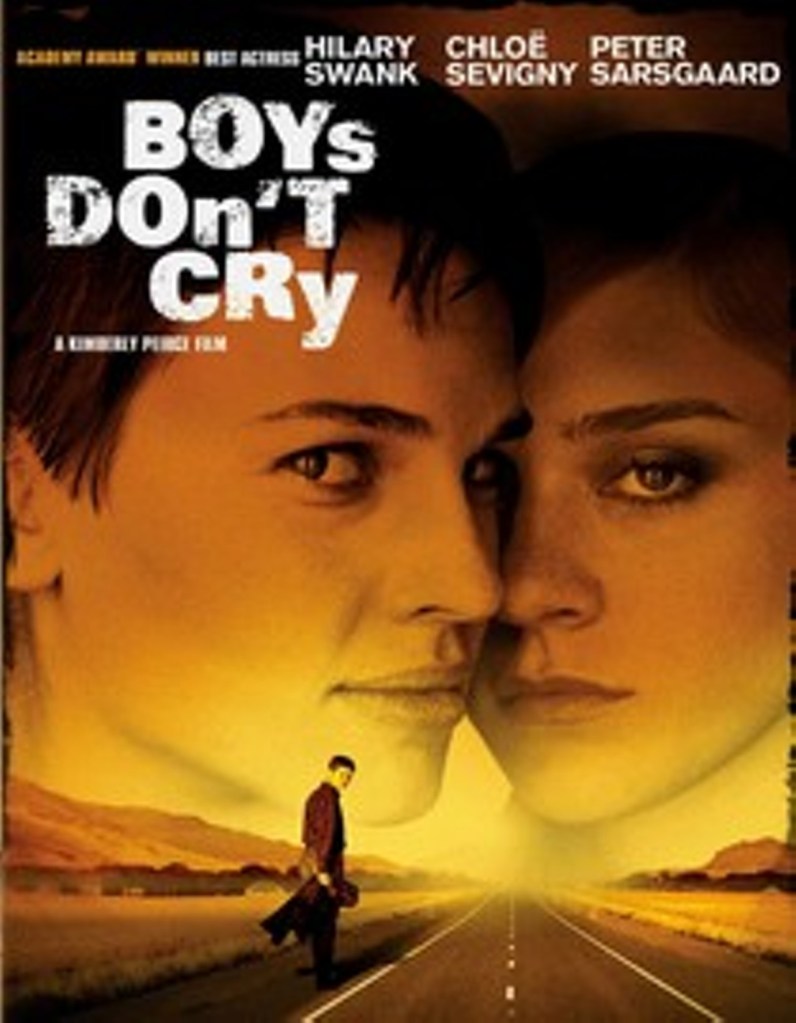
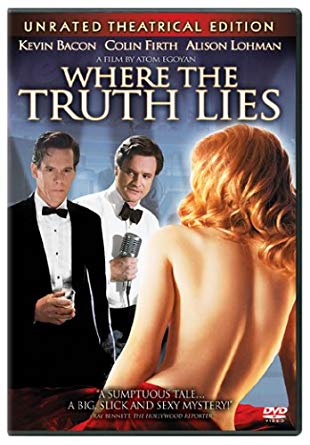
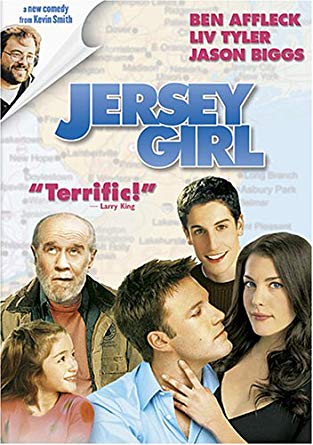
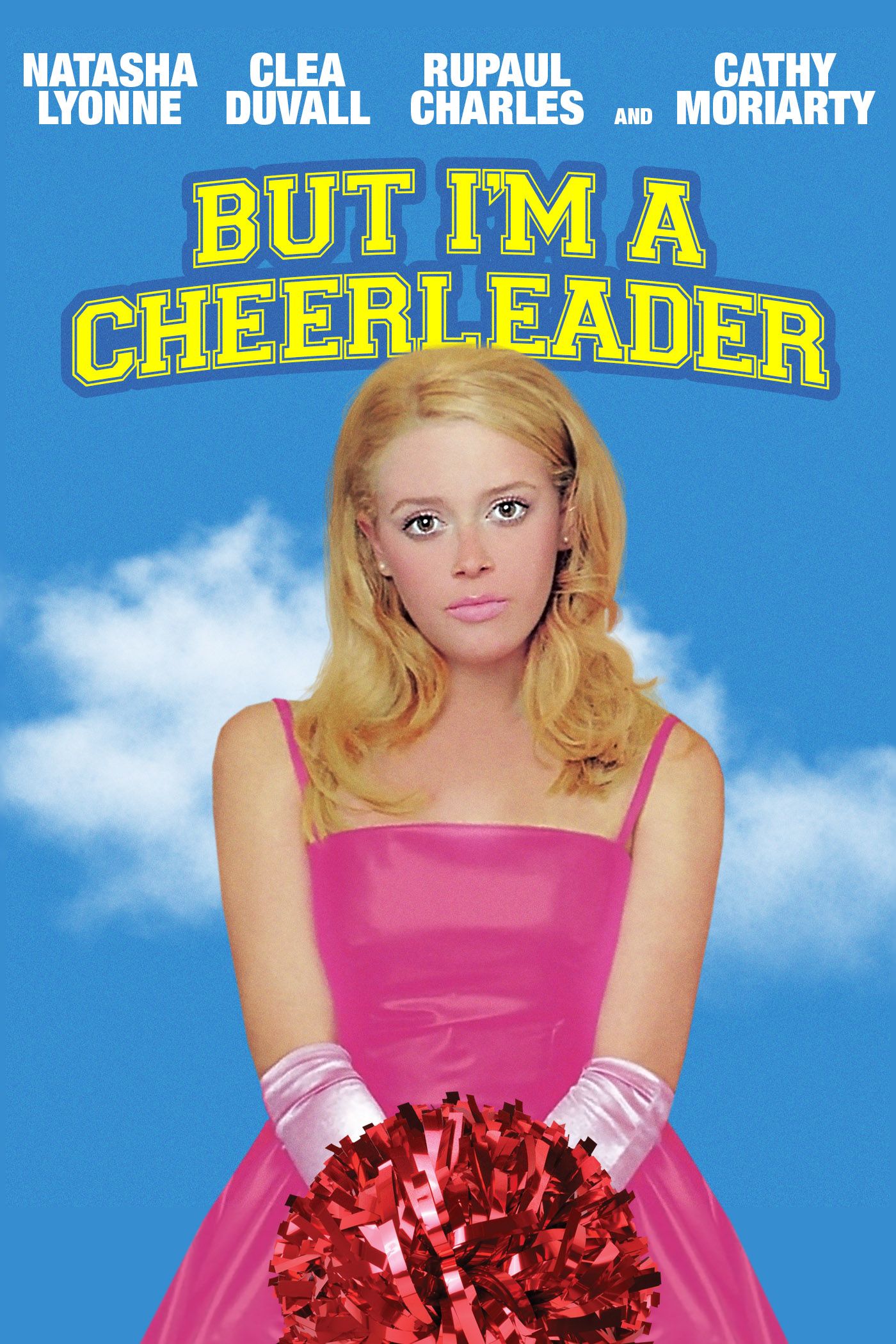
I think the best part of the film was getting to know the rules of the game a bit better. Apparently, any kind of “weird” sex is not welcome: oral sex (Boys Don’t Cry), threesomes (The Dreamers and American Psycho), gay sex (Mysterious Skin, Where The Truth Lies, and But I’m A Cheerleader) and female masturbation. Though Jersey Girl is a PG-13 movie, the MPAA almost rated it an R because Liv Tyler talks about. That is ridiculous. No wonder why so many people hate the MPAA.

Another thing I think is interesting is that the NC-17 is only used against sex. No one ever says anything about on-screen violence. Any movie can have the highest body count, and be rated R. If there is no blood, it might even get a PG-13. As people point out, many other countries have exact opposite attitudes.

Funny Ladies, ER, and The Eighties

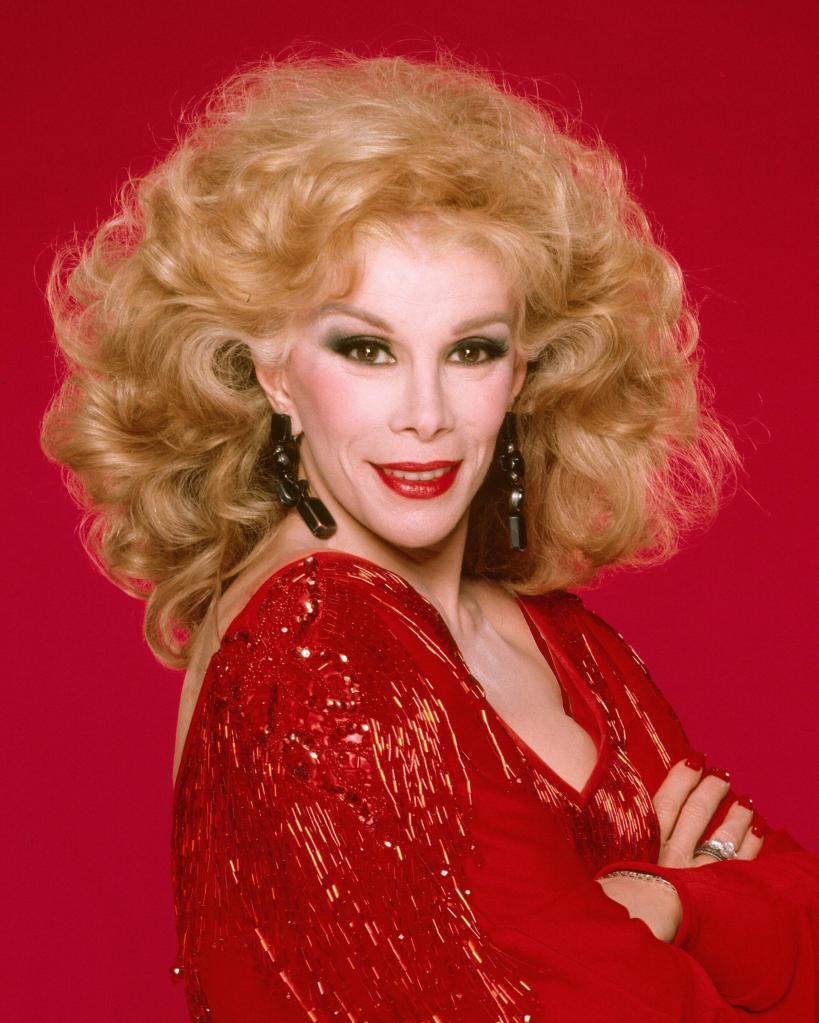
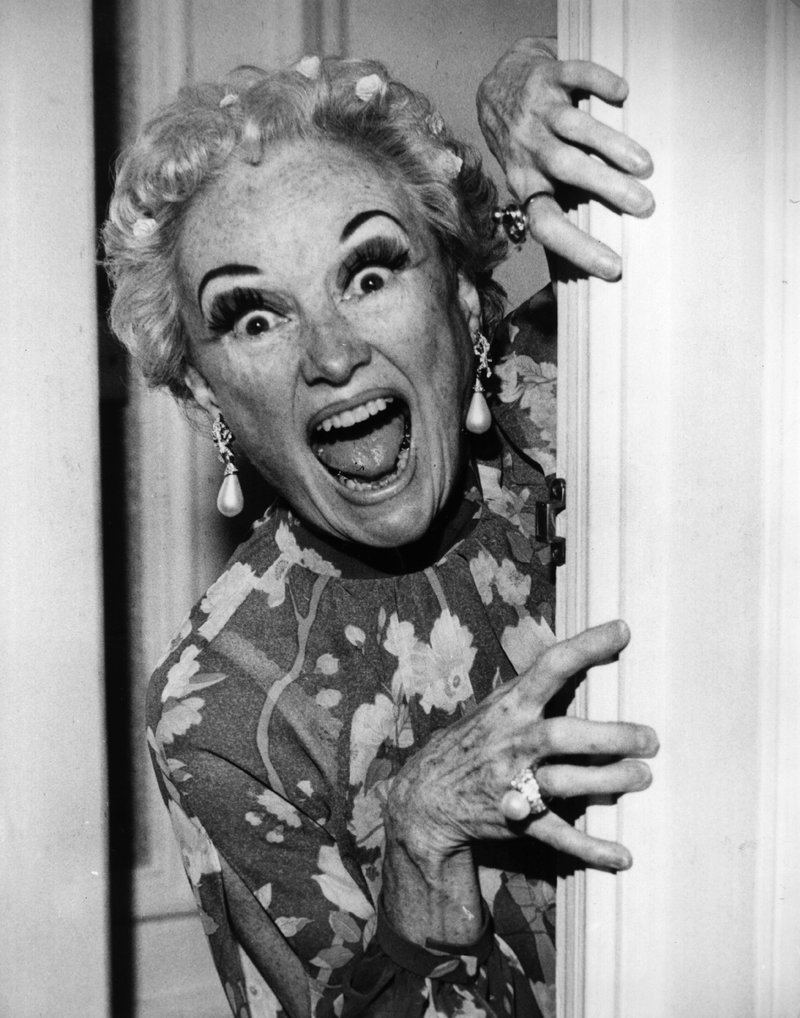
In our second week of studying television, we have discussed the Pioneers of Television: Funny Ladies and 80’s medical shows including ER and Chicago Hope. In the episode of Funny Ladies, we saw the first female standup comedians that appeared on television including Joan Rivers and the late Phyllis Diller. Funny Ladies also looked at Lucille Ball’s breakthrough on I Love Lucy and the sitcom stars who followed, including Mary Tyler Moore, Betty White, and Marla Gibbs.

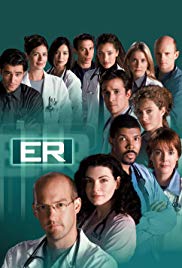
ER is a medical drama that chronicles life and death in a Chicago hospital emergency room. In the episode “Exodus,” Intern John Carter took charge when a nearby chemical spill sends the ER into chaos while the woman doctor tried to save a life of a man trapped in a collapsed warehouse, and a man and woman doctor tried to save a little girl’s life trapped in an elevator.

The Eighties is naturally the Golden Era of Television. The Eighties sparked a revolution across all genres of television. The Eighties was dominated by one hour dramas, sitcoms, police, crime and detective dramas were also on the rise, as well as primetime soap operas. Some of these shows including Cheers, The Cosby Show, Magnum, P.I., The Golden Girls, and Miami Vice. Television consumers would have more choices of television programs, but it also meant that the three major networks – ABC, CBS, and NBC – would lose their dominance in American living rooms. The Eighties started to become really popular with audiences looking for something new and interesting on the television.

Who shot J.R? was an advertising catchphrase that CBS created to promote the series Dallas. The catch phrase became a global phenomenon. The mystery was not solved until the fourth episode of the fourth season, with an audience of 83 million viewers. It still holds a strong legacy in today’s popular culture.

Another very popular show was a series called M.A.S.H. with an audience of 123 million viewers during the series finale, making it the most watched series finale in television history.

Television, Rod Serling, and The Seventies.

“What does America do? We watch television.” 

Invented in the late 19th and early 20th century, television has been very popular in society ever since. People have enjoyed spending their time watching television, becoming an important part of people’s lives. In the United States, television is known for being capitalist and is a delivery device for all consumers. However, television is often referred to as “a unique creative art form,” and “ a mirror of our own world.”

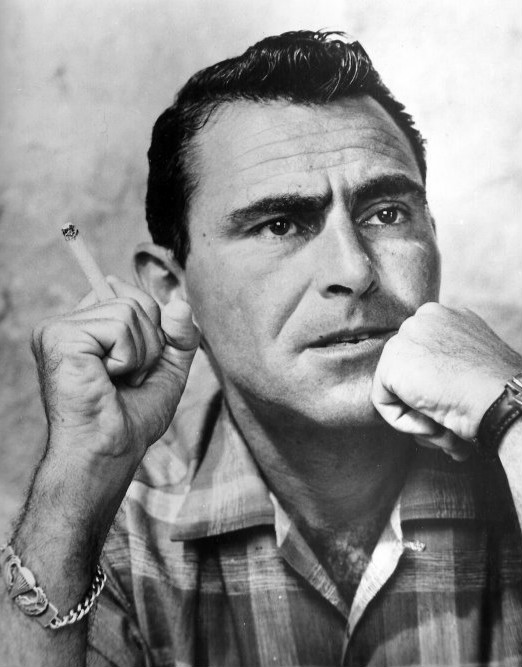
By the late 1950s, one of television’s brightest and most influential writers was Rod Serling. Serling was a screenwriter, playwright, television producer, and narrator known for his live television dramas and his science-fiction anthology series The Twilight Zone. Serling was active in politics, both on and off the screen, and helped form television industry standards.

The Twilight Zone ran for five seasons on CBS from 1959 to 1964, making the show one of Serling’s best pieces of work. Each episode presents a stand-alone story in which characters find themselves dealing with often disturbing or unusual events, an experience described as entering “the Twilight Zone,” often with a surpise ending and a moral. Although predominantly science-fiction, the show’s paranormalevents leaned the show towards fantasy and horror. The phrase “twilight zone,” inspired by the series, is used to describe surreal experiences. Serling often found himself writing the majority of the episodes from his own past experiences dealing with his service in the United States Army. He liked to write stories to help him deal with his trauma and frustration. However, at some point in his career, Serling could not find himself writing any more scripts so he decided to cancel his show and sold all his rights to CBS. Serling thought himself as a terrible writer that would leave no footprint behind, but that simply was not true. Serling is the most honored writer in television history. The show, alone, won two Primetime Emmy Awards, out of four nominations. 

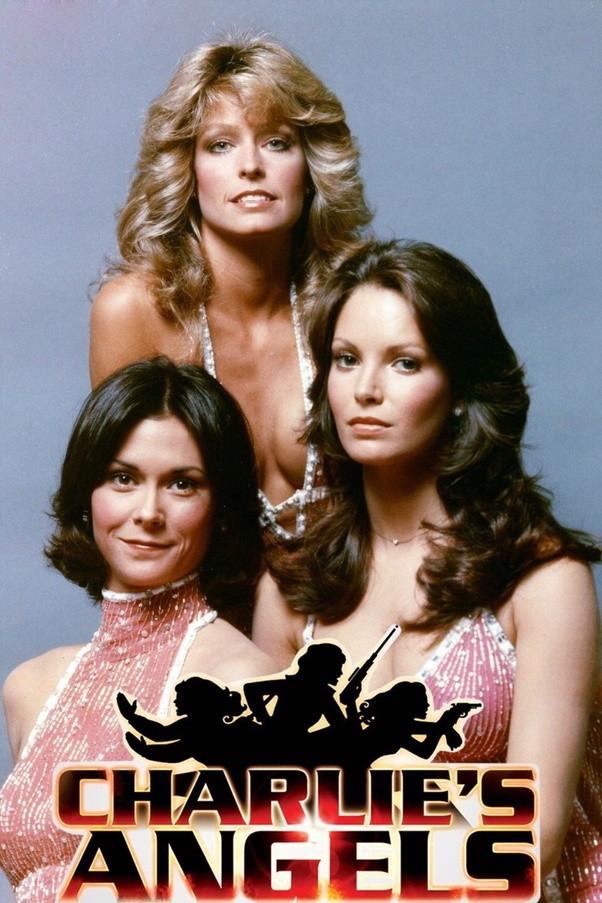
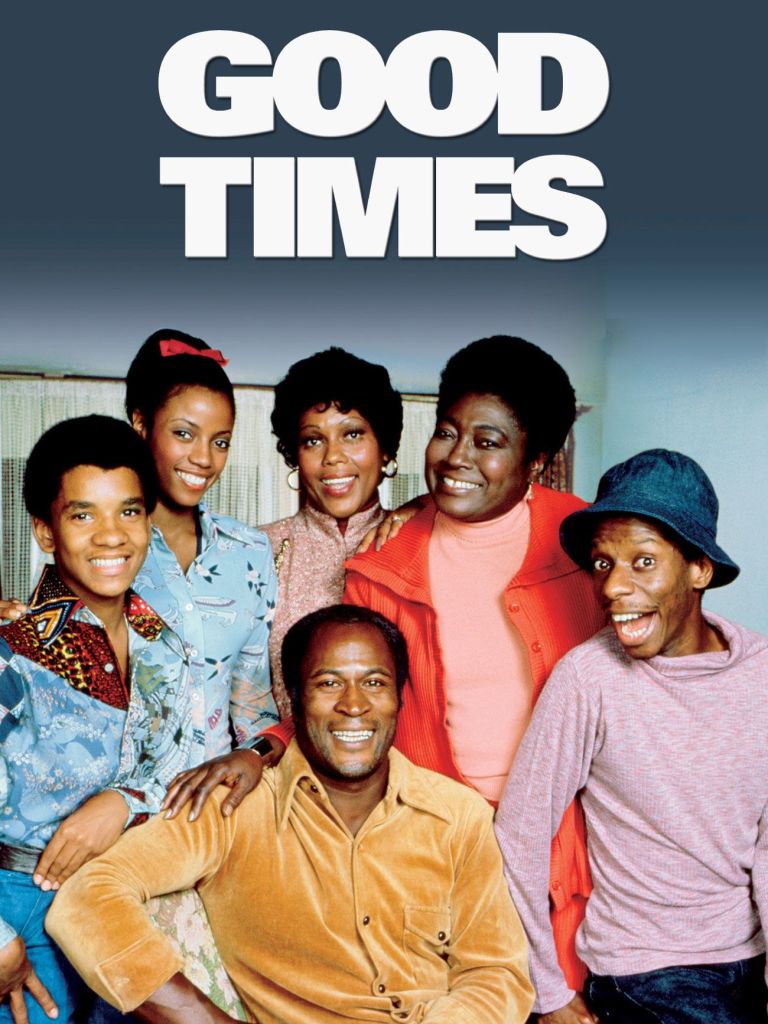
The Seventies saw significant changes in television programming in both the United States and the United Kingdom. The trends included the decline of the “family sitcoms” and rural-oriented programs to more socially contemporary shows and “young, hip and urban” sitcoms in the United States and the permanent establishment of color television in the United Kingdom. There were now black people on television, women having superior roles, homosexuality being addressed, and game shows increasing. The Seventies were a time to be alive and had plenty of socially accepted shows including Charlie’s Angels, The Mary Tyler Moore Show, Good Times, Happy Days, The Love Boat, M.A.S.H, Saturday Night Live, and Laverne & Shirley.