Classic Hollywood and The MPAA

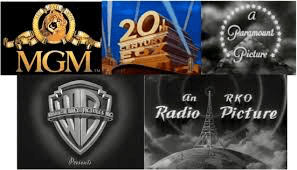
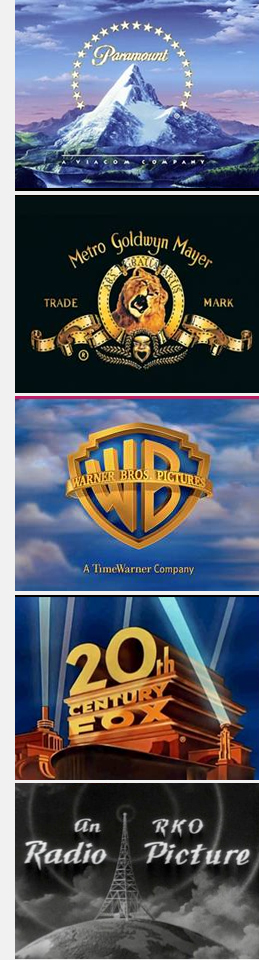
Hollywood in the 1920’s was controlled and run by five major and three major minor production studios. Metro-Goldwyn-Mayer Studios also known as MGM, Paramount Picture Corporation, Warner Brothers Entertainment, Twentieth Century Fox Film Corporation and RKO Radio Pictures were the five major studios. The three major minor studios were Universal Studios Hollywood, Columbia Pictures Industries and United Artists Corporation. The five major companies focused primarily on the production and distribution of feature films while the three minor companies produced B films or B movies. B films were low-budget films that were produced slowly and had little resources and usually unknown actors. The five major companies were vertically integrated and controlled all means of production, distribution and viewing of their product.This allowed the large major companies to control all activities in house and to not rely on any factors coming from outside sources. Major studios also controlled the majority of theaters preventing the major minor companies of showing their production with the consent of the major companies.
The Major 5
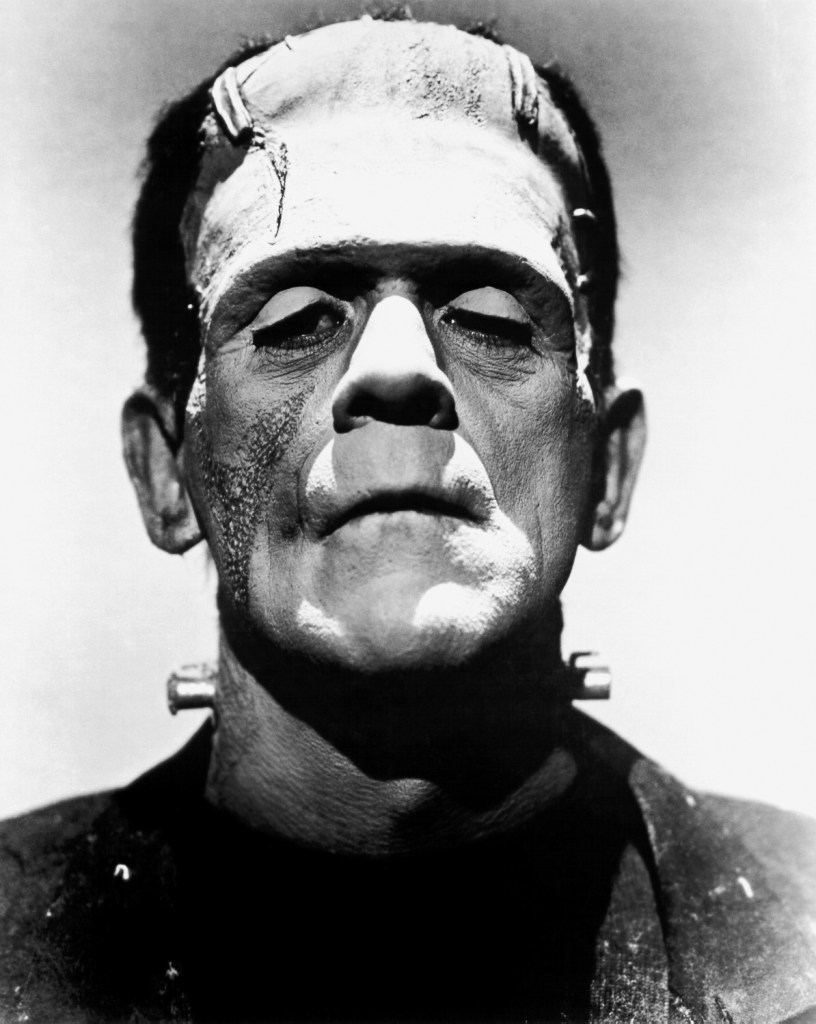
Boris Karloff starred in The Monster of Frankenstein in 1920.

One of the first viewings we watched in class this week was from a documentary called When The Lion Roars. When The Lion Roars presents the rise and fall of Metro-Goldwyn-Mayer. MGM was founded in 1924 by Louis B. Mayer and had one of the world’s oldest film studios. MGM productions were mostly known for their glitz or glamor and epic or awing movie scenes. Several of their films were extremely successful and became huge sources of revenue. The company produced movies such as The Wizard of Oz, The Grand Hotel, Camille, and James Bond series. Many of these productions took on a life on their own and are still watched to this very date.
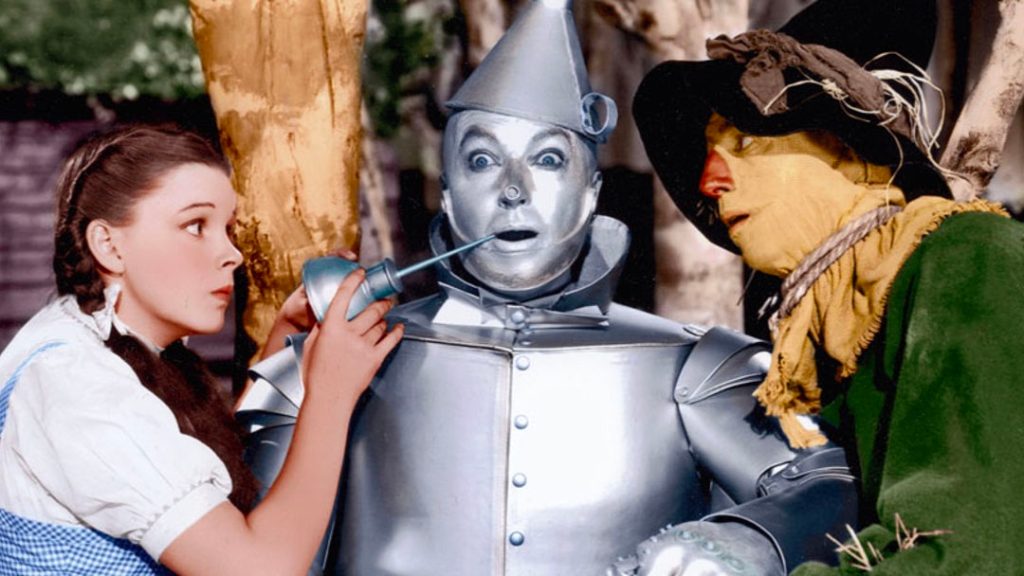
A classic moment of Dorthy, the Tin Man, and the Scarecrow in The Wizard Of Oz
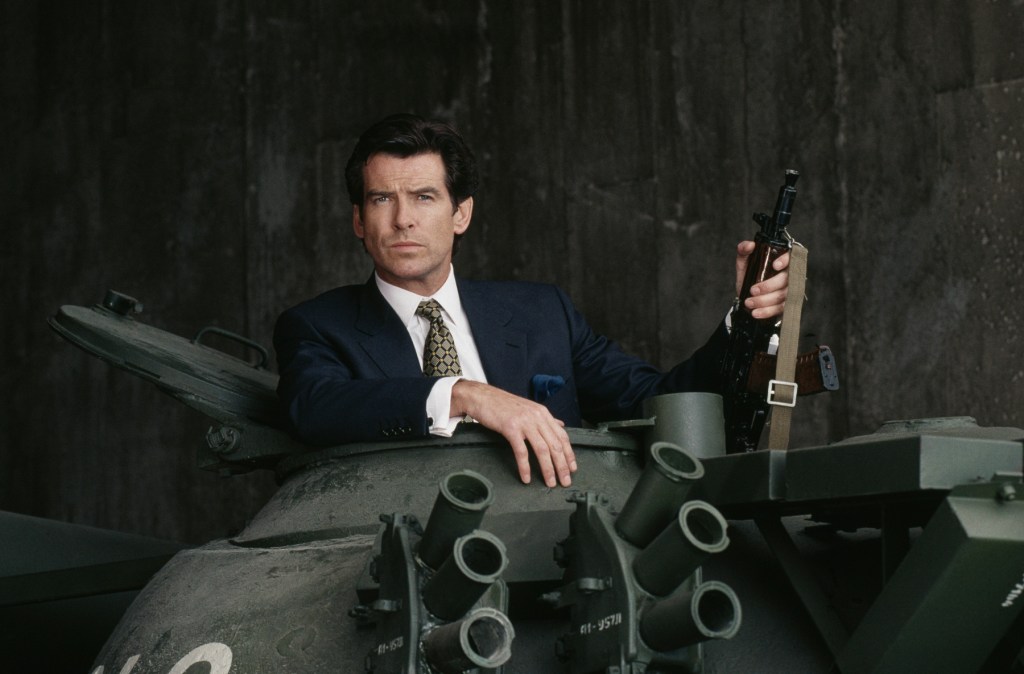
Irish actor Pierce Brosnan poses in the hatch of a Russian T55 Main Battle Tank holding a Kalashnikov automatic rifle, in the James Bond film GoldenEye, 1995.

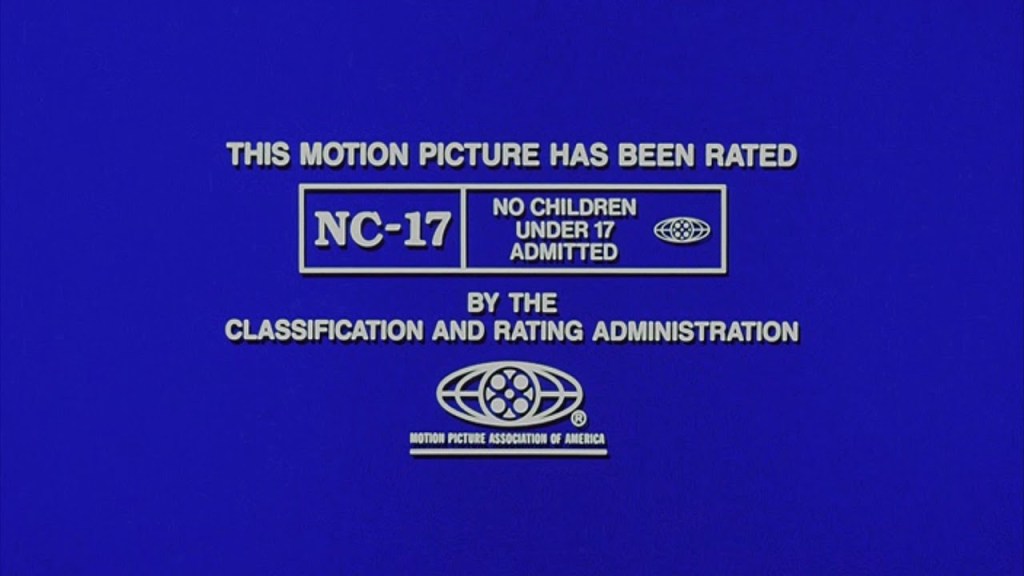
The last screening I saw this week was This Film is Not Yet Rated. This documentary is an American film about the Motion Picture Association of America’s rating system and the effect on American Culture. The MPAA critics are completely confidential and are believed to be made up average American parents that are “not gods but not fools”. The MPAA has received harsh criticism for giving certain films a “NC-17” rating while letting other similar films be shown without question. This means a movie or film rating indicating that the movie contains adult content and should not be seen by people under the age of 17. We don’t witness the entire investigation, however we view long enough to understand the confusion of some film producers and the shadiness of the MPAA. Several of the MPAA’s tactics are intended to silence employees and any specific feedback on a “NC-17” decision or rating. The MPAA may need to become more open with it’s investigations and more clear with their direction and involvement of their system.
Brand or label of the MPAA
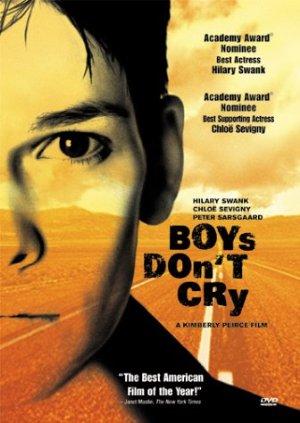
Boys Don’t Cry is one of many movies that initially received an “NC-17” rating

-Samuel Erickson

Movies being Rated

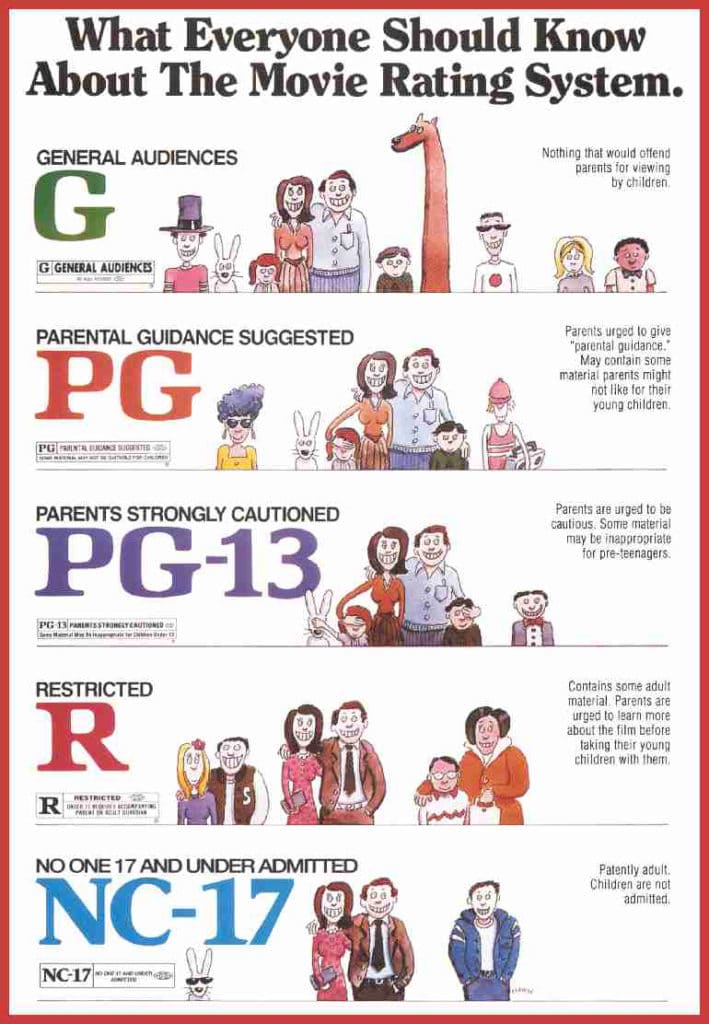
America has come a very long way when it has came to topics that involve sex compares to other countries around the world. In America, sex wasn’t very much talked about and a lot of people were very quiet about it throughout the 20th century. In 2019, when it has came down to sex and nudity, it has became little bit more laid back than it was back then. In movies today, they could be rated for a lot of things like drugs, cursing, violence, gore and blood. A movie could be rated NC-17 if it contains a lot of sex and violence. A movie can be rated PG-13 if there is some violence but not a lot of blood. These ratings are very key because it can help limit the movie to a specific audience like teenagers. If you wanted to make movie that was PG-13, then it would be available to at least a lot of people. The only problem is that if you are under the age of 13, you would need a parent or guardian to accompany you to the movie. If the movie that you see is rated R, you would have to bring someone over the age of 18 to actually see the movie if you are under 18. NC-17 means that only the adults can go see the movie and no one else can actually see it. In other places around the globe, when it comes to that, it is very different and not the same. If a movie gets a rated R or a NC-17, then usually it would mean that there is a lot of violence instead of sex. The main reasons why movies are rated like this is because many people don’t want to receive letters or any calls, getting yelled at over the content of the movie that they put out. I think people should be able to watch what they want and not have to get slack about why they watch it.

Hollywood Used To Be Great, and the MPAA is Perverted

Hollywood was once an unlimited creative outlet that was an emotional crutch for the United States. The peak of Hollywood was during the 1930’s and 1940’s when the country faced tough times through The Great Depression, World War II, and the New Deal. However, the industry was forever changed after the Paramount Decision of 1948.

Image result for hollywood 30's fashion

 This was essentially an antitrust move by the government to create competition in the industry. Previously, the major five studios in the industry: MGM, Fox, Paramount, RKO, and Warner Brothers were vertically integrated establishments. Each studio had its own departments in charge of production, distribution, and exhibition. The Paramount Decision broke this integrated system by forcing the five major studios to sell their theater chains. This meant that studios now had to compete to book theatres for their films. Ultimately, this decision crushed the monopolies of the movie industry. 

By this time, however, television was the new flourishing form of entertainment. This was based on the suburb migration and the idea that conformity and consumerism went hand in hand. People replaced going to the movies watching Television in the comfort of their own homes. 

Image result for invention of tv ads

Image result for and now for something completely different

The rating system that has been put forth by the Motion Pictures Association of America (MPAA) is ultimately corrupt, conservative, and sexist. The screening that we viewed in class this week, This Film is Not Yet Rated, sought to expose the MPAA rating board members. The association is the only rating system in the world that keeps its members anonymous and out of the public eye. During the filming of the documentary, this was the only rating system offered to the public. If a film was to get an NC-17 rating by the board, it limited to access to advertising and theater bookings a film could obtain. 

Image result for mpaa ratings

The worst part about the MPAA rating system is that they claim to rate movies based on the idea that children need to be protected from certain content so that they do not become deranged. However, they have absolutely no child experts, researchers, or psychiatrists on the board; only ordinary people. Ah yes, this is obviously the logical route to take. You know what, the next time I have a medical emergency I will completely avoid the hospital and go to an ordinary person that I happen to find on Craig’s List so they can treat my symptoms. The logic is infallible. 

What is extremely cruel about this system is they mainly based rating violations on sexual acts. They bring us all down to a level of perversion and childish behavior when European rating systems are more strict on violence being shown in films. A film is four times more likely to get an NC-17 rating from a sex scene than from a shooting spree. It is especially discriminatory when films are more likely to get the deadly rating from a homosexual sex scene or a scene that shows female pleasure, rather than a heterosexual sex scene or male orgasms. 

Overall, the MPAA is completely absurd, limits what directors can put in their own movies, and impacts our society by shaming certain groups for experiencing pleasure.


Motion Picture Industry

Motion Picture has changed greatly over time. Thomas Edison shared his short film with the public called “The Kiss”. This was one of the first films ever shown to the public in 1896. It was produced at the first US movie studio called the Edison Studios. It was extremely short and in black and white.

Then there was the “classical era” (1920’s-1940’s) this is when there was an integration between production, distribution, and exhibition of films. During this time there were major film studios referred to as the “Big Five.” MGM, Fox, Paramount, RKO, and Warner Bros Studios were running the game. These studios still produce films and are widely known in Hollywood. Almost all films were being produced through these studios and they brought in the audiences. As time passed these studios flourished during WW2 and The Depression as they held monopolies in the film industry. During the 1960’s and the 1970’s historical films such as “The Graduate,” “The Godfather,” and “Dirty Harry.”

Image result for the godfather

During the 1960’s five of the seven major Hollywood studios changed ownership and there was a merger. They made the studios an offer they couldn’t refuse.

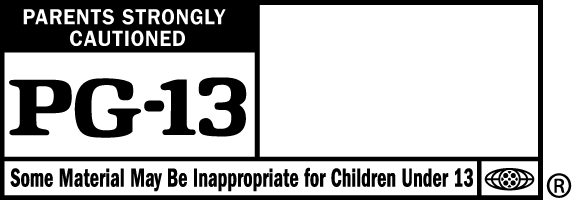
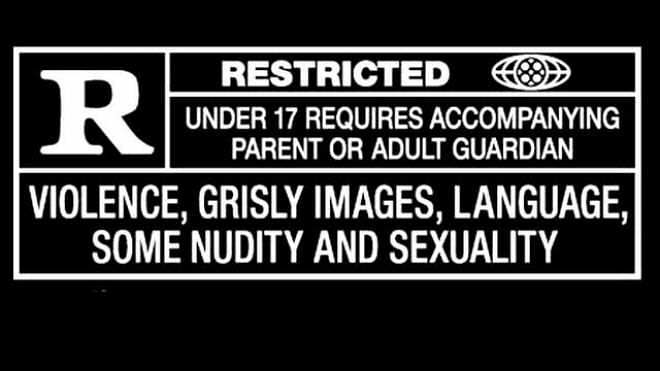
Throughout history many things have changed in the motion picture industry including ratings. Movies now get ratings which are a form of censorship. The people who rate the movies are claimed to be parents but in the movie “This Film Is Not Yet Rated” it shows us that we don’t really know who exactly is rating the films. The rating scale goes as followed ” G: General audiences – All ages admitted. PG: Parental guidance suggested – Some material may not be suitable for children. PG-13: Parents strongly cautioned – Some material may be inappropriate for children under 13. R: Restricted Under 17 requires accompanying parent or adult guardian. And worst of all NC-17, where anyone under 17 is not allowed. ”

Image result for movie ratings

The movie talked about how gay films depicting sex where much more likely to get an NC-17 rating. NC-17 ratings can crush the producers and directors of a film. They often will have to cut scenes in order to appeal to get a better rating. NC-17 films are not in theaters as long and limit the audience who can watch which can impact the profit made from a film. Not only that, but ratings are a form of censorship telling people what movies are “okay” for parent’s to show their children when in reality the parents should be able to make that choice themselves.

Hollywood and The Movie Industry

This week we talked about the film industry and how it has changed so much compared to now. Movies have changed so much from being black and white with no words or noise and now having color, many cool graphics and noise. Many people do not appreciate the film industry and how it has changed many things in our culture and we should be appreciating the art these directors and other people on these sets are making now and from the past. On Monday we watched about 15 minutes of When the Lion Roars and it touched on when MGM was first found and opened. This showed how films were first made and created. MGM was founded in Culver City outside of Hollywood. Hollywood then became booming with new stars and eventually these people became big names in Hollywood and movies. He Who Gets Slapped was the first big movie created by them and showed people how movies were something people could appreciate and find funny.

We also then watched the documentary This Film is Not Yet Rated which I found very interesting. I did not realize how much went into rating movies until this documentary. Many movies in this documentary were rated NC-17 due to sexual content and other things such as language but mostly because of sexual content. I found it very interesting that many people on this board after doing some deep digging with the private investigator rated movies this because they would not want their kids to see that even though many people’s kids on the board were 18 or older. The NPAA rates movies very seriously when reviewing them and many people do not get their movies rated differently when trying to get it changed. Overall I found this documentary very interesting and showed what the film industry goes through when submitting their movies to the NPAA and how they can actually not get approved at all.

We then were asked to read from Structure of New Hollywood which talks about the Big Five otherwise known as MGM, Warner Bros., 20th Century Fox, Paramount and RKO. These studios flourished during the Depression but then had it challenges soon after with the Paramount decree in 1948. Eventually people started watching TV and films were being replaced. There were many great movies that were made however from the late 60s to the early 70s but then some of the studios went under new ownership which was just another task for them to overcome. The article also talked about Jaws and how it flourished when it was released. Eventually big releases followed such as Rocky and Star Wars which passed Jaws for all-time box-office hit. Then things such as HBO were developed and delivered movies to the people. The film industry has really changed and grown throughout the years but it is sad how TV has somewhat taken control and people have lost interest in the industry.