Galaxy Quest, U&G Theory and Fandom

This week our main focus in class was on fandom. Many of us become fans of certain things in our lifetime. Sometimes that may be over a TV show or over a movie. I know I have been a fan of certain movies and television series growing up. I think that you may find to like certain things based of your personality or what interests you. You can then find other shows and movies that relate to the ones you love. Fandom is something that many people may take more seriously than others. There are many events and other things people can attend to show their love and support for certain movies and shows. These things can help show their love and support to the people who make the shows and movies they love possible.
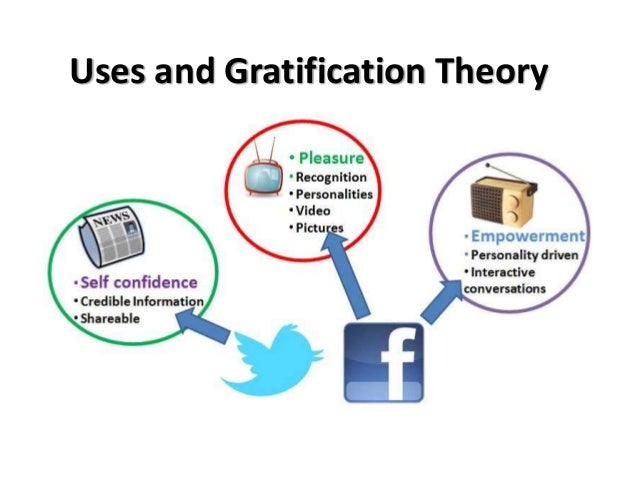
We also talked about uses and gratifications theory. This theory can tell why people seek out the things they love for a certain reason on certain forms of media. Some people have certain types of social media and media that they love to use. I personally love twitter. Twitter is my most used app behind snapchat but Twitter is a place I can be more active and find information I want, not just sending pictures. It is nice because I can figure out anything with just a simple search and scroll through my feed to find news and things I may find funny. We use media to help our needs. I think many people use social media as a way not to feel lonely in a sense. We use media almost everyday in our lives and many people can’t even go a day without using it. The media has been able to wrap people up in what they love and let them find the things they like by a certain search or touch of a button.

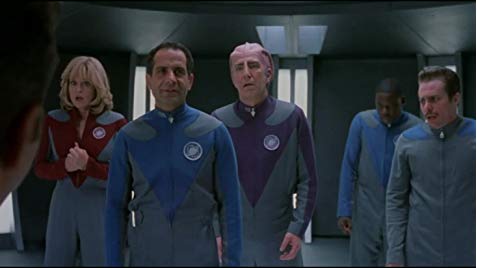
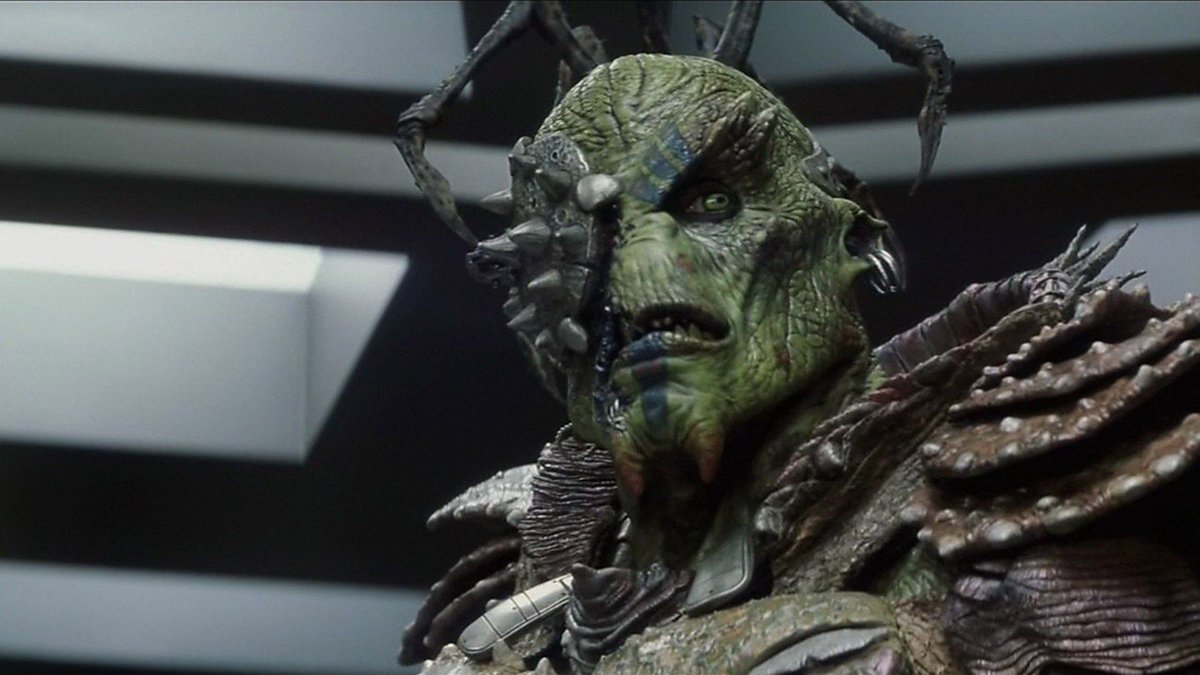
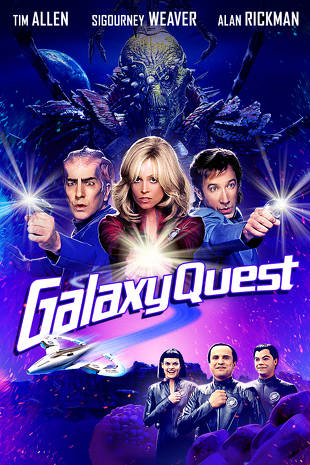
Lastly, we watched Galaxy Quest. This movie talked about a group of actors who were on a tv show called Galaxy Quest. Many of the cast members were getting tired and sick of the show. Then they meet a real group of aliens who need their help. They get blasted into space and are set on an actual mission. With the help of some fans at the end they make it back to earth after helping the people with their mission. This movie showed how many people participate in fandom.They had the convention in the film which showed everyone who was obsessed with their show. This is one of the ultimate ways they could participate in fandom. Another way fandom was shown was through the group of kids who helped them live at the end. They knew so much about the show and did so much research that they could help them with whatever they needed. Overall the movie showed how much some people participate in fandom and choose what they love to see on their screens.

U&G and Fandom

In Mass Media this week, we learned about Uses and Gratification Theory which shifts the focus to the viewer and how we chose what kind of media we consume. Many of the other theories we have studied up to this point focused on the effect the media has on the consumer.

Personally, I found this theory and the “needs” that we feel are necessary in order to fulfill this theory. The different needs are cognitive, effective, social integrative, and tension free. While discussing each of these aspects, I found it quite interesting in how they could be used. Such as just turning on a TV show because it is part of your routine. Also, how in order to make yourself less lonely you turn it on for the background noise. Everyone is guilty of this. If you are completely by yourself, it is often “too quiet”. So, having the conversations or music in the background strangely makes you feel like you have company. The idea of “tension free” is also really relatable. Everyone I know, especially at high school/college level has taken a break from their homework to relax and watch a show they enjoy. Not feeling that stress can often be lifted by things you enjoy. Not only is it tension relieving by blowing of homework, but also after a long day. I enjoy watching and episode or two of one of my favorite shows before bed while I’m winding down.

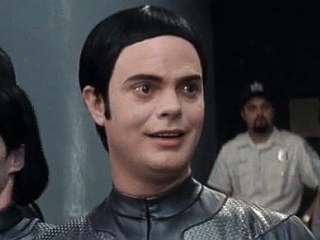
In order to portray the U&G theory, we watched a movie called Galaxy Quest. For starters, I really enjoyed this movie, between the spoof off of Star Trek, the cast, and the overall humor of the film. Not only does this movie have flashes of U&G, but also the topic of “fandom”. Fandom simply means that an individual thoroughly enjoys something. In class, Prof mentioned that “fandom” is actually a word used to describe a lunatic. Which instantly makes my mind shift towards crazy sports fans, such as the Bills Mafia. In Galaxy Quest, it shows how just how much a tv show has on an individual. Also, the movie had quite the touching end when the young boy and his friends were able to help the protagonists become victorious because of their deep rooted knowledge of the space ship that they had to navigate through. I also really liked seeing Rainn Wilson in a role other than Dwight Schrute.

My last thought was just how insane it is that fans of a specific thing can play such a major role in its success, and even the outcomes. In class the example was Family Guy, it was cancelled many times, but do to an uproar from the fans, it has been revived just as many times. That is insane to think about. All of the power and control is really in the hands of the viewers. The producers/directors are at the mercy of their audience because that is how they base their success: VIEWS. In many shows, you can predict what is going to happen, especially if it involves a favorite character which often makes the end of the show kinda blah. But in other cases, like Game of Thrones, the writers were so eager to get their product out because the fans were so excited that there was a new season. Instead, they rushed it, and many people were left severely disappointed. In my opinion, only the fans have themselves to blame. You can not have the best of both worlds all the time.

🤩🤩🤩Fan Power🤩🤩🤩

During class we discussed the uses and gratifications theory. This theory aims to explain why people seek out media. Many people seek seek out media as a way to fulfill their desires. Audiences will watch media to achieve gratification. Media can be used to fulfill many needs, not only entertainment, it can also fulfill affective needs.

Image result for uses and gratifications (u&g) theory
Image result for mary franklin star wars

Fandoms are a great example supporting the U&G theory. The word fan derives from “fanatic,” because the fans who make up fandoms are typically very passionate. Mary Franklin talks about the power of audience and fandoms in her Ted Talk. She talks about how with the rise of the internet there was a rise with fandoms. She was able to discover hundreds of other female star wars fans she never knew existed. She helped found the online Stars Wars fan club, and was so passionate about it that George Lucas’ company reached out to her asking about what fans thought. She was even offered a job at his company. Other fans have been featured by Star Wars and at conventions. Star Wars celebrations have been hosted with the slogan “for the fans, by the fans.”

Image result for star wars vegetable carvings
Fan artwork of vegetable carvings that has been featured

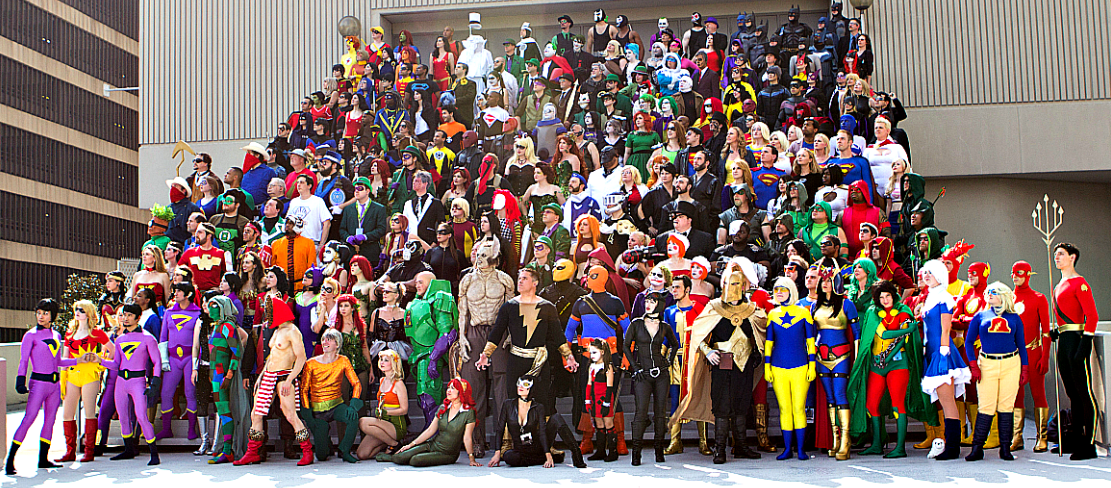
It is also emphasized how important it is for fans to meet face to face. Conventions or “cons” have been created where fans can meet and connect with other fans who share the same interests. There are conventions for all sorts of media including video games, comics, as well as TV shows and movies. Some of the biggest conventions include PAX, Comic Con, and Comiket. These conventions have became internal phenomenons and they give the audiences an outlet to express their feelings with the media they are enjoying.

Image result for galaxy quest

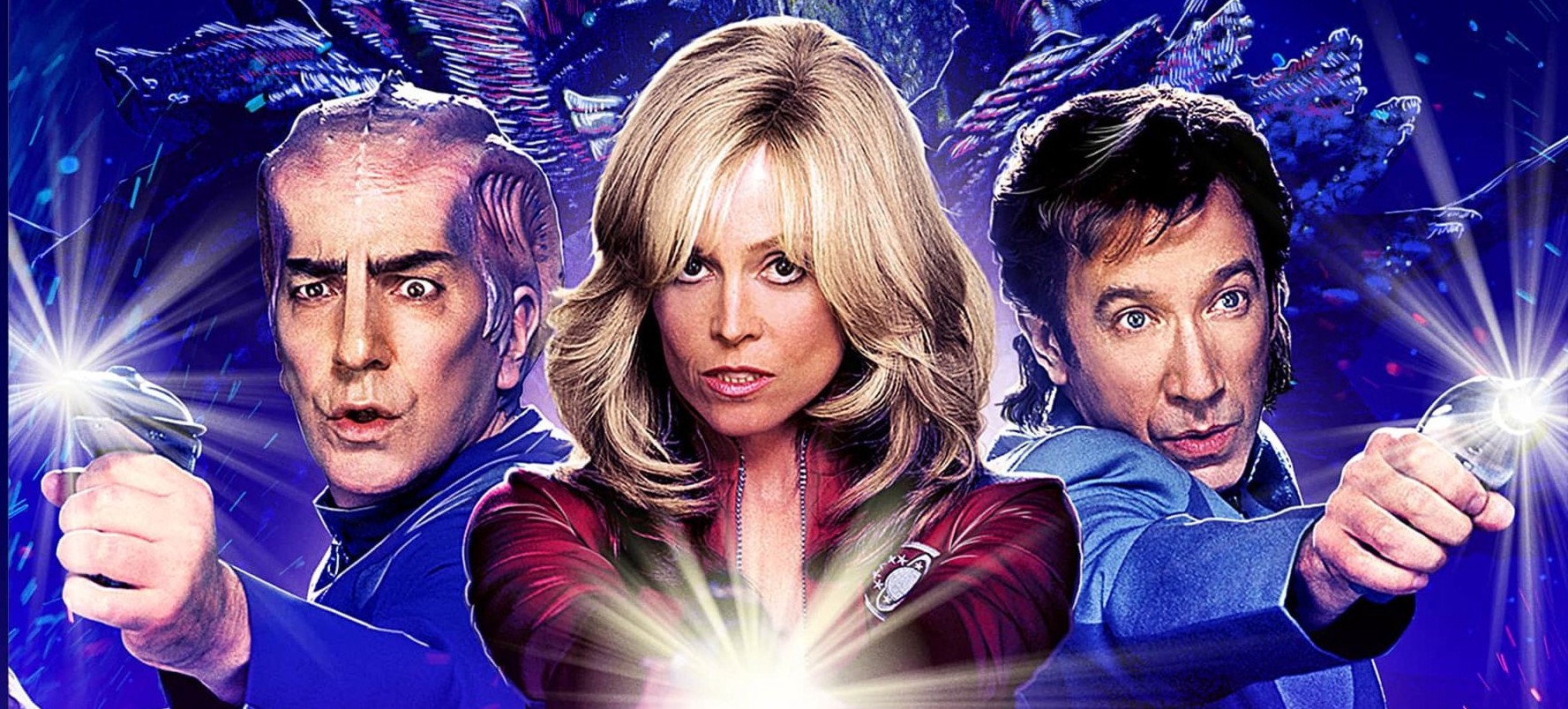
The movie Galaxy Quest shows how obsessed fans can become. A huge convention was thrown to honor the show Galaxy Quest, and the commander from the show believed he was entertaining some fans, but found out he was in deeper than he thought. The plot of the movie revolved around how the characters from a fictional show ended up taking part in a real life mission and ended up succeeding by using the knowledge they learned while producing the show. The fans ended up becoming the heroes of the movie to a degree because of how much time they spent obsessing over the TV series Galaxy Quest. Once again this demonstrates the power that fans can have.

Image result for galaxy quest gif

In the movie the fans saved the day. In real life fans can be helpful too. They can provide helpful feedback to producers. Often the fan’s opinions will be taken into consideration, this in return can help the media thrive. When films make their audiences happy they are more likely to get viewers and more loyal fans. It’s a take and give. Although a line needs to be drawn with how much influence a fan can have, it can always be helpful for companies to hear what the audience thinks.

Fandoms and UG

In class this week, we learned about the Uses and the Gratification Theory, which is this theory that takes a different approach than most other theories that we have talked about and learned in our class. The theory focuses on how the viewers take an active role in choosing the media that we see, where we see other theories focus on the affect media has on the viewer. We learnt the needs of the viewers as to why they choose the media that we have. The needs are affective, the social integrative and tension free. Out of those needs, i can definitely relate to the tension free one. This is when you need to escape reality and release some tension in something that you want to watch. Whenever i am feeling overwhelmed in my life, i turn to my favorite shows so i can unwind and relax. This can be helpful because it restarts my mind and gives me a more fresher look on what i was doing before. It can also be dangerous because i can get unfocused on my work and start to be focused on the show that i am watching.

Next, we watched this screening called Galaxy Quest that supports the U and G theory and the fandom theory. Fandom is when the fans support a specific media that they are fans of. There are a lot of different type of fans, you have the mild fans, very active ones and the pro active fans. Fans are very powerful in all areas of media and in the production of media. It was the fans that brought back Family Guy on Fox. Without the fans, media would lose it’s importance and it is the viewers that make the shows and movies way more successful. Fans have this strong attachment to a character than an actor plays or an music artist. For example, John Lennon was shot and killed by a big fan and then the music sensation Selena was killed by a woman who was in charged of her fan club. Finally, Galaxy Quest is a movie that shows a lot of fandom due to the fact that the aliens that come to earth are big fans of this show which they believe are actual events that happened so they build their civilization like the show. The movie showed a lot of fandom and it presented and supported the U&G theory.

Use Your Fan Base to Your Advantage But Don’t Let Them Run the Show. People Love the Character Not the Actor

When it comes TV or anything with a fan base really. Some people may have to deal with fans who have a strong attachment to the character the actor plays and not the actor themselves. This may cause a discrepancy for the fan because if they ever meet their favorite character, their view of that person might be crushed when they find out they may be nothing like the actor within the show. Some of these people may develop a very deep connection to an actor and because of this they might act out in some way. Like when John Lennon was shot by a fan. This isn’t just the only instance, there are other cases in which fans fall in love with this person whether they are a singer or an actor it is all the same. People fall in love with the idea of that person and act very irrationally.

Fans can be vastly important to a company, and this could go for shows, movies, games, and singers, and they can have pretty good incite on what consumers might want from the company. Consumers know what they want and this is why it might be important for a company to take their advice on future content that might increase sales. It is important to note that fan advice might be important but at the end of the day the content being created is under someone else’s view of how it should be. What’s being created should be what the owner intended it to be and not what the fans want it to be. It is important to take the criticisms of the fan base and run with it but it is also important to know that not everyone is going to be satisfied with the content the creator puts out, and that’s ok. What isn’t ok is to let the fan base run the show of the content you’re creating because then it wouldn’t be the piece of art you intended it to be.

Uses and Gratification Theory/Fandom

In class this week we studied uses and gratification theory and how that is shown in fandom. Uses and gratification theory focuses on how we take an active role in choosing and using the media we consume. We typically use it to satisfy a need of some sort, such as cognitive needs, affective needs, personal integrative needs, social integrative needs, and tension free needs. Cognitive needs focus on the want to acquire knowledge of some sort. Affective needs focus on satisfying our emotional needs, and do so through things like music, books, film, television, comic books and many more. Personal integrative needs focus on our self-esteem needs. This states that people will use media to measure their social status. Social integrative needs focus on our need to socialize with family and friends and develop or retain relationships in society. This leads to people forming clubs and groups online or in real life to share what they have in common. Tension free needs focus on people using media as a way to escape reality and ease the tensions of their lives. These all play a large role in people joining into some sort of fandom, because they are so strongly attached to a program that they want to enjoy it with others and try to impact the way that it goes in some way.

In class we watched the movie Galaxy Quest, which focuses on fandom and how uses and gratification theory can come into play. It shows how fans are really involved in what the television show is about and how it can be the center of their life. The aliens that come to Earth to are such big fans of the show, which they believe are real events, that they build their civilization on the events that happen in the show, down to having the ship built with the exact specifications as the one in the show.

At the end of the movie, the crew needs to find a way to stop the ship from exploding, so Nesmith enlists the help of the biggest fans that he can contact, who know everything about the ship and how to stop it from exploding. When he contacts the fan, Nesmith apologizes to him for being mean to him before, and tells him it is all real, and the fan excitedly says that he knew it was real. This may seem funny to some people, but there are people who things like this are real to, and it is what they enjoy the most in life. The fan actually ends up saving the lives of the crew because he knows so much about the show. This shows that sometimes knowing everything to know about a show can sometimes be a good thing. Although it is shown in a fictional movie, it can still show some importance of fandom.

Uses and Gratification/Fandom

In this week of class, we focused on the Uses and Gratification Theory and Fandom. The U&G Theory is an approach to understanding why and how people actively seek out specific media to satisfy specific needs. This theory is an audience-centered approach to understanding mass communication. It assumes that audience members are not passive consumers of media. Rather, the audience has power over their media consumption and assumes an active role in interpreting and integrating media into their own lives. Unlike other theoretical perspectives, the Uses and Gratification Theory assumes that audiences are responsible for choosing media to meet their desires and needs to achieve gratification. This theory would then imply that the media compete against other information sources for viewers’ gratification. There are five distinct categories of needs fulfilled by media: cognitive, affective, personal integrative, social integrative, and tension-free needs.

When talking about cognitive needs, people use media sources both analog and digital to learn about news and to stay updated with current issues. They also watch media to educate themselves about specific topics. For example, my parents may watch the news on TV to stay updated, but I may check out Twitter to read the most recent trending articles to do the same.

Image result for news channel
Image result for twitter

The affective category the aspect of watching media that aids us in connecting emotionally with content and helps us form an emotional response from the media. Our affective needs can also simply be for entertainment. For example, soap operas and series television like Game Of Thrones really draw in their viewers emotionally and become a source of entertainment for people.

Image result for game of thrones

Personal Integrative states that consuming media assists humans in creating and solidifying identity traits believe it or not. We view characters with traits that appeal to us as role models and our behaviors start to mimic theirs. For example, if someone loves Superman and watching him do good deeds, then that person will want to do the same.

Image result for superman

Social Integrative is really different since the advent of digital media. When media was entirely analog on TV, there wasn’t a way to connect with other people who were also watching TV at the same time. Digital media has changed this in that our generation is constantly connected all the time with other people via our devices and various social medias. Our human need to feel socially connected pushes us to want to use media more and more.

Tension-free can also be called escapism, and means that humans need to escape from the tensions of everyday life sometimes, and turning to media to assist them is a good way to do so. When we consume these types of media, we feel as though we’ve escaped into a new place and this helps us recharge before going back to our normal lives.

For the remainder of the week, we watched a film called Galaxy Quest. This film focuses on the alumni cast of a space opera television series whom have to play their roles as the real thing when an alien race needs their help. However, they also have to defend both Earth and the alien race from a reptilian warlord. This film was very popular to the people, which led to it becoming a well recognized film. This is due to the power that the fans had because they cared a lot about this show and were connected to it. This film allowed the fans to really feel like they were in the center of the action when watching this film. Personally, I really enjoyed the film and took away some of the feelings that all of these fans felt from this film.

Image result for galaxy quest fandom

-Tyler Tanevski

U&G and Fandom

In class this week, we discussed the Uses and Gratifications Theory and fandom. The U&G Theory is an approach to understanding why and how people actively seek out specific media to satisfy specific needs. The U&G Theory is also an audience-centered approach to understanding mass communication. It assumes that the audience members are not passive consumers of media. Rather, the audience has power over their media consumption and assumes an active role in interpreting and integrating media into their own lives. Unlike the other theoretical perspectives we talked about, the U&G Theory holds that audiences are responsible for choosing media to meet their desires and needs to achieve gratification.

There are several needs and gratification for people. They are categorized into five needs: Cognitive: Refers to acquiring information to aid the thinking and understanding process. People use media such as documentaries and how-to videos to increase their skills or knowledge in a certain area.

Affective: Relates to emotions or feelings. People use media to arouse certain emotions within themselves, such as happiness, fear or pleasure.

Personal Integrative: Refers to promoting one’s own image, reputation or status. People with this need use media, like Facebook and YouTube, to increase their credibility or social standing or to affirm their sense of self.

Social Integrative: Refers to interacting with family and friends. People use media to connect with others.

Tension Free: Relates to diversion and stress relief. People use media to escape from reality.

To support the U&G Theory, we viewed a film called Galaxy Quest. Galaxy Quest focused on this alumni cast of a space television series having to play their roles as the real thing when an alien race needs their help. However, they also had to defend both Earth and the alien race from a reptilian creature. Galaxy Quest was incredibly huge when it came to fandom because it was powered by fans who deeply cared about the show. Galaxy Quest was the first film that put fans at the center of the action and really foretold the era we are in now, where fans are the most powerful force in entertainment.

As well as Galaxy Quest, fandom also occurs in television shows including  Family Guy. Family Guy was a television series that had been cancelled many times, but because of its fans, the show had been reborn and renewed. Fans hold such power because they are much more than consumers. They are advocates and influencers. I believe the power of the fans is the most important thing for entertainment. Fans will dedicate a lot of their time supporting and looking up to someone they admire and receive inspiration from them. The thing about fandom is that many celebrities do not give much attention to them and do not receive any credit. They do not realize that fans are everything. I do not think a person would be successful without his or her fans.

Fans of Fandoms!

This week in class we watched Galaxy Quest and learned a lot about U&G theory. I found it very interesting to go over the key needs of gratification; Cognitive, affective, personal integration and tension free needs. This conversation that we had in class on Monday made me very reflective of my own needs, thinking about what I actually needed versus what society tells me that I need or want. Social media not only uses and expands on these needs but it convinces us of new needs that may be completely unnecessary.

A big focus of this week was fandoms, to expand and explore this idea of fandom and fans we watched Galaxy Quest. I thought that this movie was very well done and I was very intrigued when it was the fans came to the rescue at the end. I believe that this was genius writing because it was an ending that so many people and fans of anything could connect aspire and dream about helping their heroes, even if they may not be real.

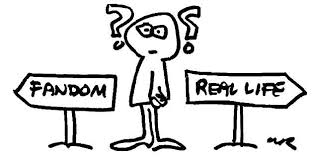
People often desire another life, at least for a moment, I think that the saying “the grass is always greener on the other side” if very true and that people need to dream of different possibilities that may or may not be possible, this is one of the bog reasons that fandoms are so big, fans can put themselves into their favorite movie, television or comics and imagine what that world could be like. Unknown.jpeg

There is also a group dynamic to Fandoms that is very strong, we watched a Ted talk at the beginning of the week which told the story of the women who before the internet thought that she was the only woman star was fan in the world, this shows how the internet can bring people of all sort of groups, not just fans, together and although them to connect and feel heard by similar minded people. In class, you were talking about how you met a group of people who “could finish your sentences” and how amazing that feeling is to be with a group of people that are so like-minded and understand your passion for something completely.

IMG_8095.jpgI too had this experience over the summer where I had an incredible oppirtunity to go to a pottery workshop in Wisconson with potters of all ages from all over the world. This was so amazing becuase even though we had such differnt expiremntces, we all got along incredibly well and understood each others passion for cermics in a way that nobody esle could. (picture on the left is me loading the Anagama kiln full of our work)


-Grace Hanlon

U&G Theory

In class we learned about the Uses and Gratification Theory, which is a theory that takes a different approach than most other theories that we have learned about in class. This theory focuses on how we (the viewer) take an active role in choosing the media we consume, whereas other theories focus on the affect media has on the viewer.

We learned about the different needs of the viewer, as to why they choose the media that they do. These needs include, cognitive, affective, social integrative, and tension free. Out of these, I can relate to the tension free need the most. This is a need to escape reality and release tension, this need is specific to the individual. Whenever I feel overwhelmed or I can’t do anymore work, I turn on a show to escape for a little while. I find that with whatever I watch I am completely engaged and I forget about the outside world. This can be very helpful to relax, but also dangerous because I may be so caught up in the show or movie that I am unproductive. I start to binge watch…

bored edward norton GIFabigail breslin television GIF by 20th Century Fox Home Entertainment

Research was done to test the U&G Theory. This theory was tested on game/quiz shows. It was found that people love these shows because they are able to put themselves into the game and answer the questions themselves. When they get an answer correct they feel like an expert and their ego is fed. This feeling would relate to the personal integrative need, which measures status in society or your self-esteem. These shows are also popular for families to watch together. They are appropriate for kids of all ages, making it an easy choice for parents. This meets the social integrative need, which is the need to socialize with family or friends.

happy living room GIF by Better Things

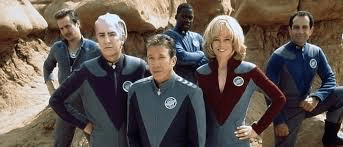
We watched a screening in class called Galaxy Quest that supports U&G Theory, but also fandom. Fandom is based around “fans” and how they support their specific media that they are fans of. There are different levels of fans: mild, active, and pro-active. Fans are a powerful tool in media production. It was the fans who brought back Family Guy and Futurama when it was cancelled on TV. Without fans media would lose importance, it’s the viewers that make a show or movie successful. In Galaxy Quest it was evident in the first scene how important the fans are to a movie/show. Galaxy Quest a movie within their movie. The opening scene is about the actors and their roles. They are in a large convention for the movie, where all of the fans have come dressed up and waiting for autographs. Some people are so engaged that they truly believe the movie is real and they are a part of it. This gives a prime example of the importance of fans to media. Without them the film would not be such a success.

disappointed alan rickman GIFgalaxy quest GIF

The fans in Galaxy Quest have became so involved it is their escape from reality. They can be a part of something bigger than the real world. It opens doors to meet people who have the same interests as them. They can make new friends and socialize in ways they may not have been able to before. U&G theory is evident in many forms throughout Galaxy Quest, pointing emphasis at why the viewer chooses media, not how the media affects the viewer.