
In this week of class, we focused on the Uses and Gratification Theory and Fandom. The U&G Theory is an approach to understanding why and how people actively seek out specific media to satisfy specific needs. This theory is an audience-centered approach to understanding mass communication. It assumes that audience members are not passive consumers of media. Rather, the audience has power over their media consumption and assumes an active role in interpreting and integrating media into their own lives. Unlike other theoretical perspectives, the Uses and Gratification Theory assumes that audiences are responsible for choosing media to meet their desires and needs to achieve gratification. This theory would then imply that the media compete against other information sources for viewers’ gratification. There are five distinct categories of needs fulfilled by media: cognitive, affective, personal integrative, social integrative, and tension-free needs.
When talking about cognitive needs, people use media sources both analog and digital to learn about news and to stay updated with current issues. They also watch media to educate themselves about specific topics. For example, my parents may watch the news on TV to stay updated, but I may check out Twitter to read the most recent trending articles to do the same.


The affective category the aspect of watching media that aids us in connecting emotionally with content and helps us form an emotional response from the media. Our affective needs can also simply be for entertainment. For example, soap operas and series television like Game Of Thrones really draw in their viewers emotionally and become a source of entertainment for people.

Personal Integrative states that consuming media assists humans in creating and solidifying identity traits believe it or not. We view characters with traits that appeal to us as role models and our behaviors start to mimic theirs. For example, if someone loves Superman and watching him do good deeds, then that person will want to do the same.

Social Integrative is really different since the advent of digital media. When media was entirely analog on TV, there wasn’t a way to connect with other people who were also watching TV at the same time. Digital media has changed this in that our generation is constantly connected all the time with other people via our devices and various social medias. Our human need to feel socially connected pushes us to want to use media more and more.
Tension-free can also be called escapism, and means that humans need to escape from the tensions of everyday life sometimes, and turning to media to assist them is a good way to do so. When we consume these types of media, we feel as though we’ve escaped into a new place and this helps us recharge before going back to our normal lives.
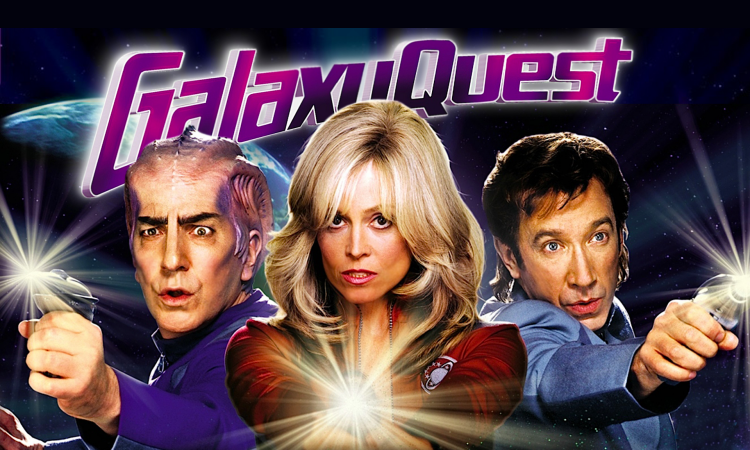
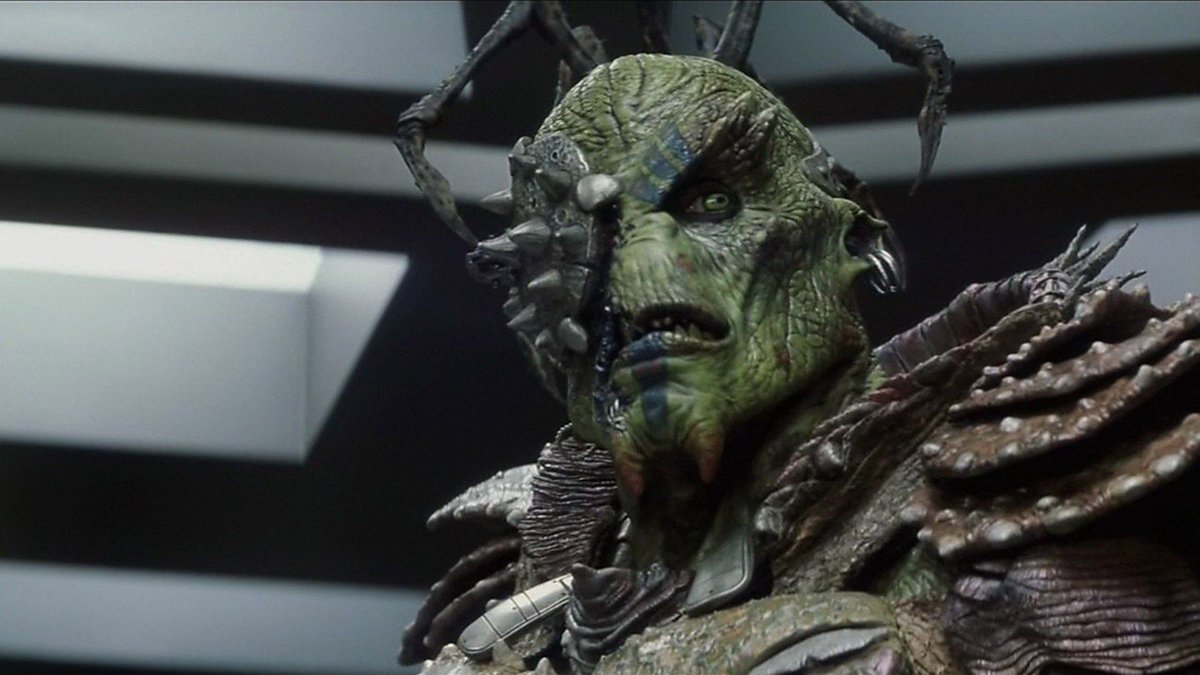
For the remainder of the week, we watched a film called Galaxy Quest. This film focuses on the alumni cast of a space opera television series whom have to play their roles as the real thing when an alien race needs their help. However, they also have to defend both Earth and the alien race from a reptilian warlord. This film was very popular to the people, which led to it becoming a well recognized film. This is due to the power that the fans had because they cared a lot about this show and were connected to it. This film allowed the fans to really feel like they were in the center of the action when watching this film. Personally, I really enjoyed the film and took away some of the feelings that all of these fans felt from this film.

-Tyler Tanevski
 Mass Media & American Life - Fall 19