
The documentary film “Why Be Good” describes how sex and scandals is portrayed in films, even in the early cinemas. Of course this came with the threat of censorship though. Sexuality in the early 1800’s was almost foreign. With the introduction of nickelodeons was possible to see on screen what a kissed looked like.

With this arose the question of what exactly could be screened. Film gave Americans a whole new view of sex and freedom. Women were given the right to vote and could see films. These films could give them a view on fashion but also freedom. Scandals broke out in the film industry when Fatty Arbuckle, an American film star, was caught in the middle of a murder scandal. This was considered Hollywood’s first major scandal.

Censorship would play its part in deciding what is and isn’t appropriate for viewers. It has been constantly debated what exactly “is okay” and “not okay” to screen on TV. Media exposure was known to impact people. That is why politics, parents, and the film industry have argued for years what is okay to show children, especially when violence is being aired. Many people questioned, does exposing children to violence in film and TV make them more violent? This introduced the idea of the mean world syndrome.

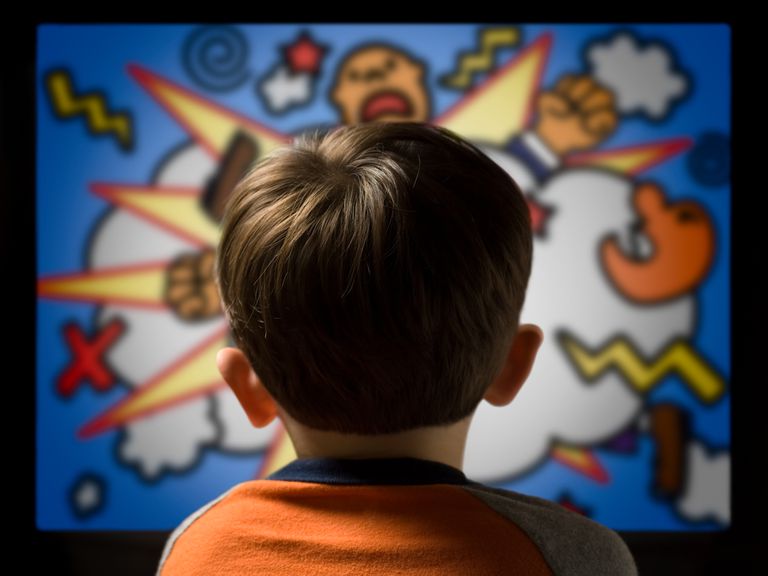
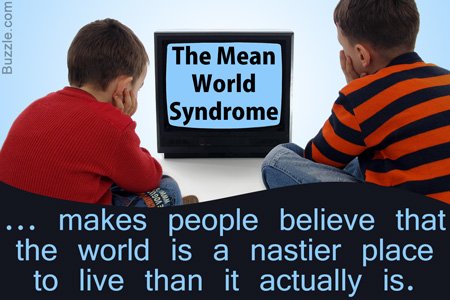
The mean world bias is coined by Dr. George Gerbner. The concept suggests that people exposed to heavy levels of violence media, such as violent movies or TV, would see the world as a more violent, or “mean”, place. Gernber wanted people to realize the impact that media could have.
Social Psychology has been known to show the impact and influence that social factors such as authority can have on a person. The famous Stanford prison experiment showed how influential power can be on a person. Normal people were transformed into brutal prison guards. The experiment is famously known for exposing true human nature and many documentaries have been made about it.
The bystander effect was discovered when Kitty Genovese was murdered as multiple witnesses heard and did nothing. The bystander effect states that people are “less likely to offer help to a victim when other people are present; the greater the number of bystanders, the less likely it is that one of them will help.” Experiments have since shown similar results supporting the idea of the bystander theory. It must be human nature to diffuse responsibility but the question is why??
The influence people can have on each other is astonishing but so is the influence the media can have on people. News stations set agendas to decide what information they think is most important for people to see. By doing so many news stations will broadcast bias reports, influencing the viewers perspectives on things whether the viewers may realize it or not.

Which news station a person watches may even influence who they decide to vote for in the future. Other stations will broadcast information for the views and what stories they think are the most entertaining whether or not the issues are actually important. So many TV channels focus on celebrity drama and will try to exploit celebrities for the views. People form opinions on celebrities based on the stories they hear online and over and over again on TV. Without even fact checking information viewers minds have been made up. It is important to fact check what you may see or hear on TV because the TV stations agenda may not always be the same as yours….
 Mass Media & American Life - Fall 19