
This week in class, we discussed many different things.
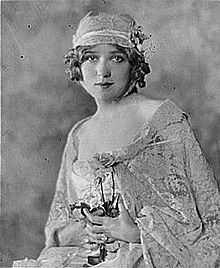
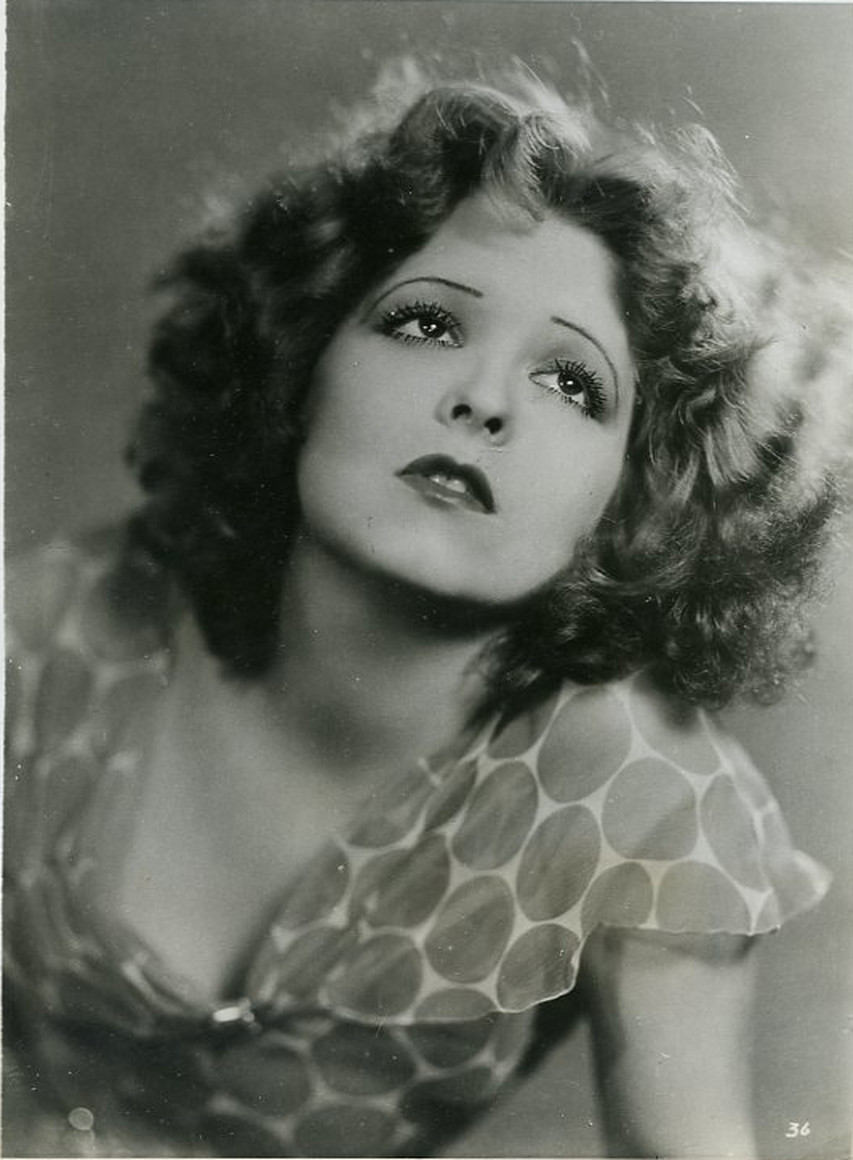
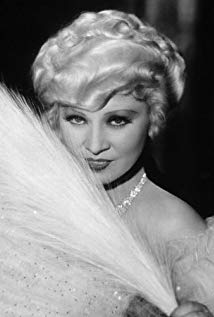
On Monday, we watched a documentary called “Why Be Good?: Sexuality & Censorship in Early Cinema.” This documentary reflected an overview of the portrayal and influence of sexuality on film, from the silent era until the administration of the Hays Code in 1934. We learned about the earlier days of film, and pre-censorship from state to state. We learned how scandals caused Hollywood to try and keep negative news out of the media. We also heard how stars such as Mary Pickford, Marlene Dietrich, Clara Bow, and Mae West gave others new attitudes and beliefs towards sex.
After the documentary, we talked about cultivation theory. Cultivation theory was proposed by George Gerbner, and is one of the main theories of media effects. According to the theory, people who watch television frequently are more likely to be influenced by the messages from the world of television. The influence goes to such an extent that their world view and perceptions start reflecting what they repeatedly see and hear on television. Television is, therefore, considered to contribute independently to the way people perceive social reality.
Cultivation theory has been widely used in the study of violence in television. The theory has been used to explain how children who watch violent cartoons become violent themselves. Repeated exposure to violence on television reinforces existing beliefs that the world is a dangerous and unsafe place. Exposure to television further strengthens the position that acts of violence are a natural response to situations of conflict.

During Wednesday’s class, we discussed another core theory of media effects, which is agenda setting. In media, agenda setting determines the agenda for which stories are considered important. When major news happens, the world’s mass media organizations take notice. Whether it is the President of the United States making an announcement or an incoming storm approaching, when it is a story that affects people, the news media is on alert to cover it, They provide viewers with the facts and information they need to understand what is happening. But sometimes it may seem, with so much media focus and scrutiny on a single event, that the mass media is missing or even ignoring other important stories. This is agenda-setting theory.

Another thing we discussed is the murder of Kitty Genovese. Genovese was a 28 year old woman who was murdered in her apartment building. There were about 38 witnesses who saw the incident, but did nothing to stop it. This is known as the bystander effect. Her killer was Winston Moseley.

 Mass Media & American Life - Fall 19