
Hollywood in the 1920’s was controlled and run by five major and three major minor production studios. Metro-Goldwyn-Mayer Studios also known as MGM, Paramount Picture Corporation, Warner Brothers Entertainment, Twentieth Century Fox Film Corporation and RKO Radio Pictures were the five major studios. The three major minor studios were Universal Studios Hollywood, Columbia Pictures Industries and United Artists Corporation. The five major companies focused primarily on the production and distribution of feature films while the three minor companies produced B films or B movies. B films were low-budget films that were produced slowly and had little resources and usually unknown actors. The five major companies were vertically integrated and controlled all means of production, distribution and viewing of their product.This allowed the large major companies to control all activities in house and to not rely on any factors coming from outside sources. Major studios also controlled the majority of theaters preventing the major minor companies of showing their production with the consent of the major companies.

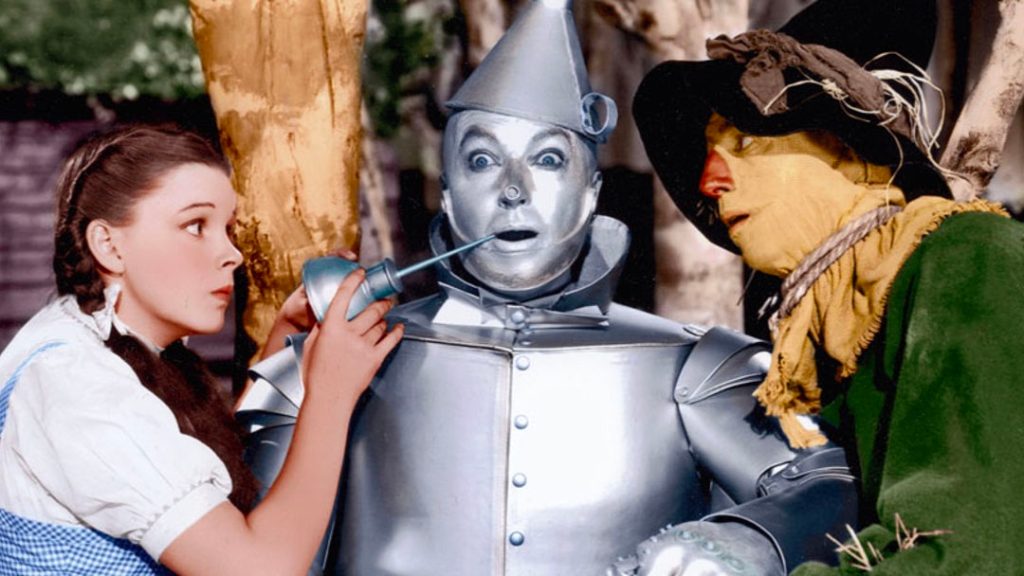
One of the first viewings we watched in class this week was from a documentary called When The Lion Roars. When The Lion Roars presents the rise and fall of Metro-Goldwyn-Mayer. MGM was founded in 1924 by Louis B. Mayer and had one of the world’s oldest film studios. MGM productions were mostly known for their glitz or glamor and epic or awing movie scenes. Several of their films were extremely successful and became huge sources of revenue. The company produced movies such as The Wizard of Oz, The Grand Hotel, Camille, and James Bond series. Many of these productions took on a life on their own and are still watched to this very date.

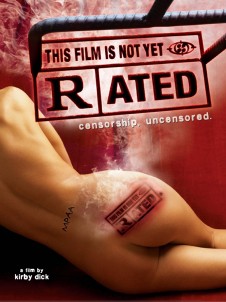
The last screening I saw this week was This Film is Not Yet Rated. This documentary is an American film about the Motion Picture Association of America’s rating system and the effect on American Culture. The MPAA critics are completely confidential and are believed to be made up average American parents that are “not gods but not fools”. The MPAA has received harsh criticism for giving certain films a “NC-17” rating while letting other similar films be shown without question. This means a movie or film rating indicating that the movie contains adult content and should not be seen by people under the age of 17. We don’t witness the entire investigation, however we view long enough to understand the confusion of some film producers and the shadiness of the MPAA. Several of the MPAA’s tactics are intended to silence employees and any specific feedback on a “NC-17” decision or rating. The MPAA may need to become more open with it’s investigations and more clear with their direction and involvement of their system.
-Samuel Erickson
 Mass Media & American Life - Fall 19