
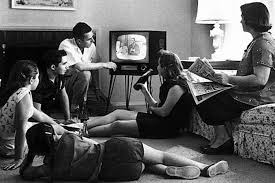
Television was invented in the late 1920’s however it was not popularized until the age of consumerism in the 1950’s. During that time television programs were basically experimental. The new medium allowed for creative thinkers to broadcast their ideas to a nationwide audience for the first time. It also allows advertisers to reach these nation wide audiences in between programs. Essentially, television was a tool used to sell products during the age of consumerism and conformity. Previously, visual entertainment was only available through attending a theater or other live performances. Advertisements were only seen in newspapers or were received through the radio. Television changed the way we consume entertainment and advertisements.

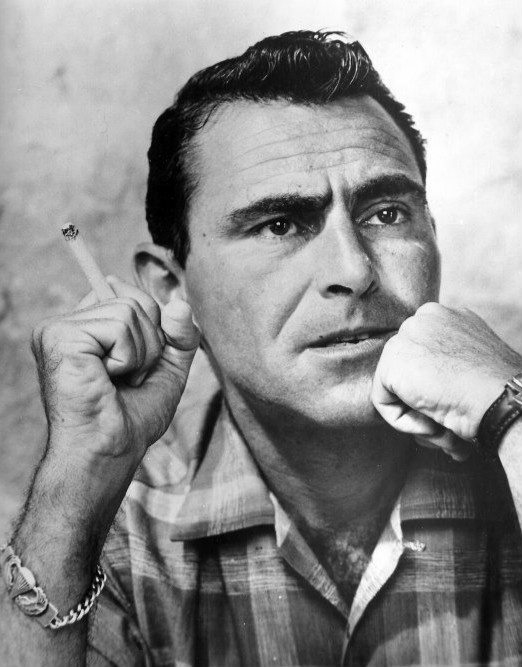
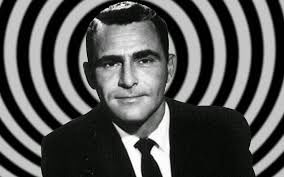
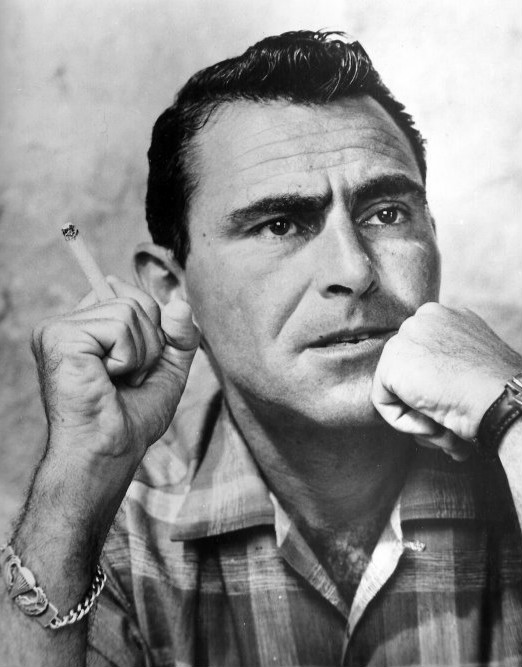
One of the most impactful influences in the medium was Rod Serling.
Before watching the piece in class on Serling, I had only known him as the man who hosted The Twilight Zone. I have watched a variety of episodes from the classic series beforehand, and I always thought they contained timeless themes that dealt with qualities that differentiate humans from beasts. Regardless of how dated the show was, I still thought the themes of ethics, moral concepts, and mortality were universal and still relevant today. It is not uncommon for creative minds like Rod Serling to believe the work they produce is worthless or not well done. For example, Van Gogh did not sell a single painting during his lifetime and suffered from a plethora of mental illnesses; but he is one of the most iconic painters of all time. With Serling, who originally began writing to deal with the trauma of being a war veteran, I sympathize heavily with his story. For creative minds, the best work originates from the darkest places. He had so much success from the series because his stories were well thought out and contained relatable tales of death and misfortune. His downfall came when he was overworked and practically burning the candle from both ends. As a writer, he felt that he had to constantly prove that he was a master of his time. To simply have a handful of successes was not enough, he needed to confirm that his best was not behind him. Rod Serling was one of the most influential minds in the history of television, The Twilight Zone is the timeless work of a genius and went on to inspire horror films and other thought provoking television shows.

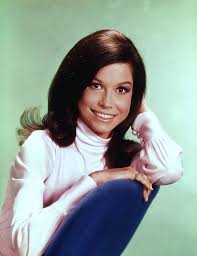
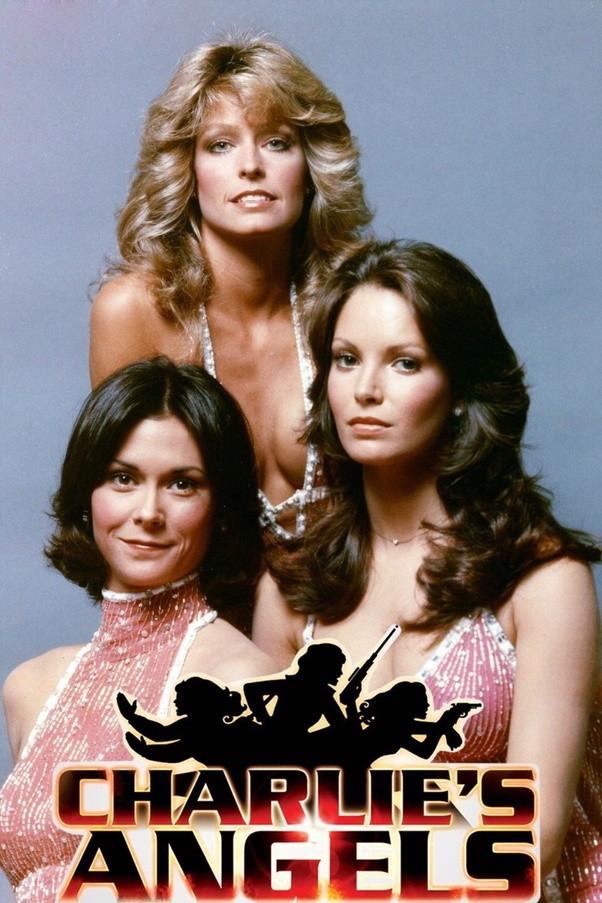
The popular television shows of the 1970’s were created as a direct response to social issues that presented themselves in the 1960’s and the 1970’s. More women began to enter the workforce in the 70’s. It had been an uncommon occurrence for a woman who was not single to work since World War II. The Mary Tyler Moore Show complimented this social shift by showcasing a single woman, who lived alone, with a job that kept her financially independent.

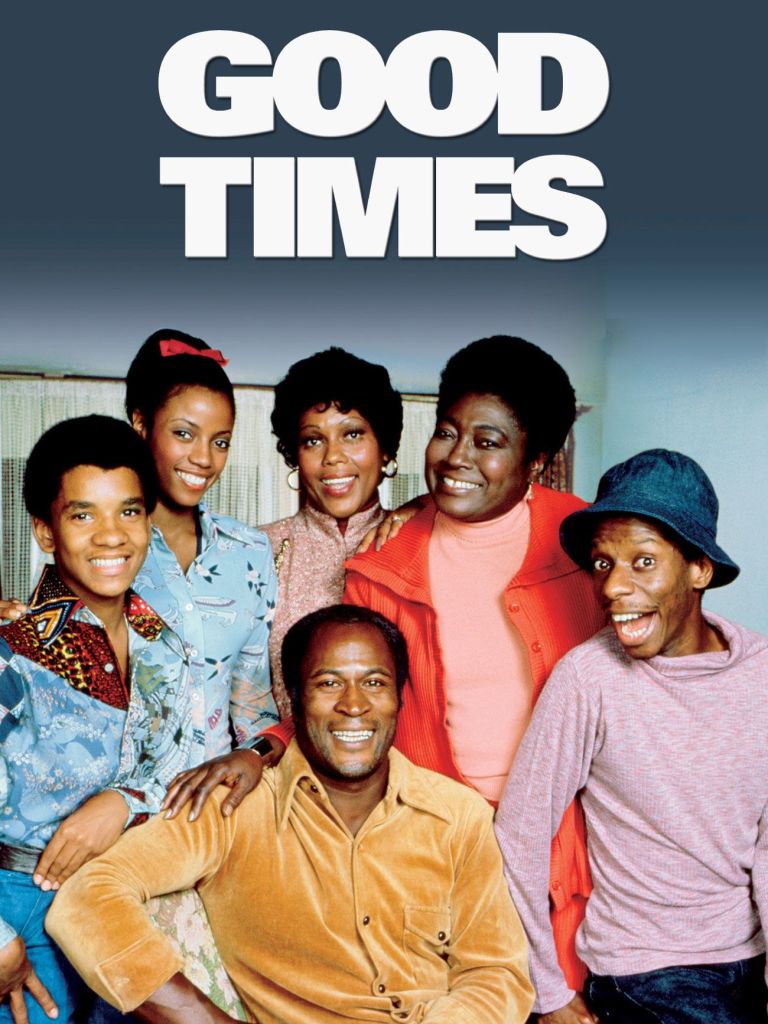
Shows like The Jeffersons or Good Times were a direct response to the Civil Rights movement of the 60’s. The United States citizens needed to realize that the African Americans they live amongst deal with the same problems and experience the same joys as White Americans. Some groups such as the Black Panthers, critiqued the show Good Times because it was based on the stereotype that all African American families were poor and resided in the projects of urban cities.

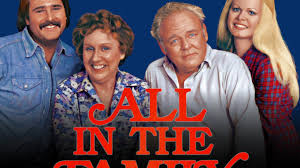
Television shows from the 70’s dealt with controversial topics in a situational comedy format, so that it was easy for the everyday American to digest.





 Mass Media & American Life - Fall 19