
Can you imagine growing up without a TV?
Ever since Philo Taylor Farnsworth invented the television in 1927 when he was just 21 years old, the world was changed forever as the TV has been a set piece that is supposed to go in a family living room. I cannot imagine being that young and having such and impact on the world.

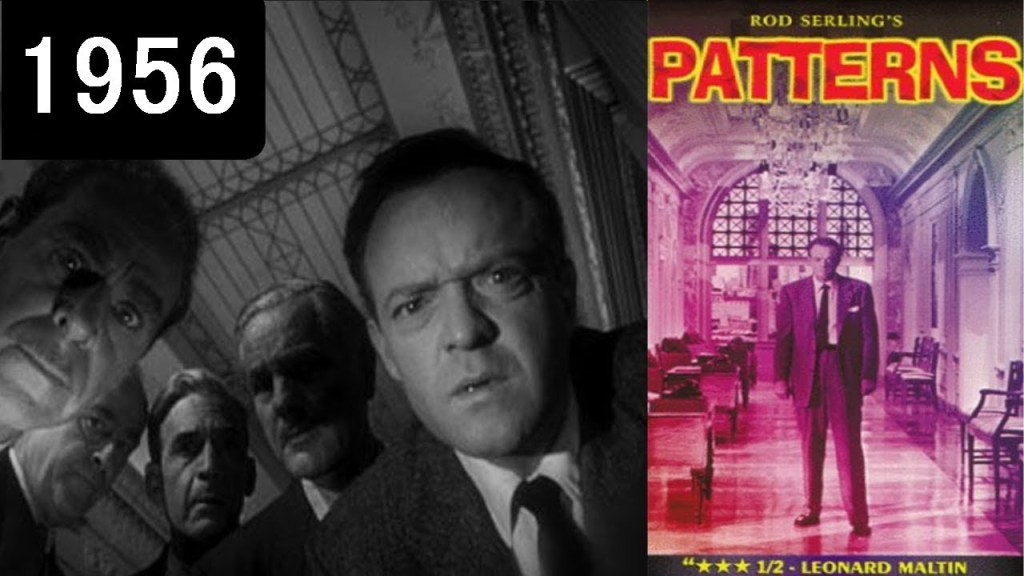
When the fifties rolled around, Rod Serling, who before television was a struggling freelance radio writer, finally branched out into TV business and wrote a script for the drama, “Patterns” which he later won an Emmy for. Sterling is known for his work “The Twilight Zone”. The show was strange mix of horror, science-fiction, drama, comedy and superstition. He wrote 80 out of the 150 shows that aired in its early years. He also was co-writer for the famous film, ‘Planet of the Apes”.

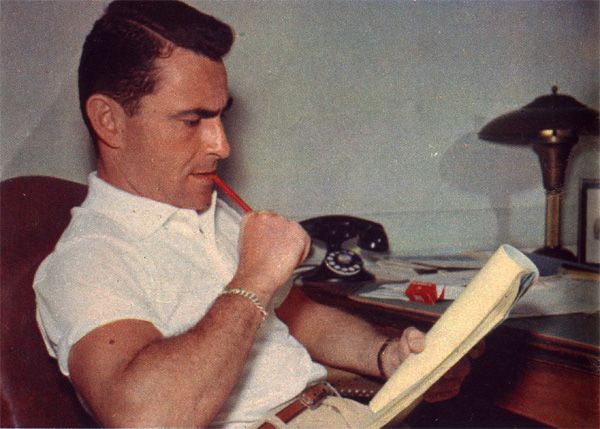
Serling spent his later career hosting Rod Serling’s Night Gallery and teaching screenwriting at Ithaca College. Over the course of his career, Serling wrote an estimated 252 scripts and won a total of six Emmys. Serling was around this area which I personally think is a great addition to the story for us because it makes it hit closer to home in a way.
In May of 1975, when he was 50 years old, Serling had a heart attack while running on a treadmill. A couple of weeks later, he had a second heart attack, at his cottage on Cayuga Lake, and was sent to the hospital for open-heart surgery. On June 28, 1975, Rod Serling died at Strong Memorial Hospital in Rochester, New York.
Now lets talk about the seventies and its impact on TV.

“The 1970s have always been America’s misunderstood, enabling middle child of the late 20th century, seemingly nowhere near as tumultuous or sea-changing as the ’60s, or as socially and economically polarized as the 1980” – CNN
Every show only had one sponsor, which is honestly impressive compared to how many advertisements and sponsors are given in a TV show today.
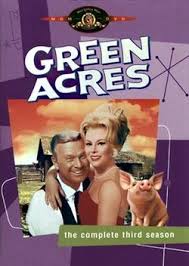
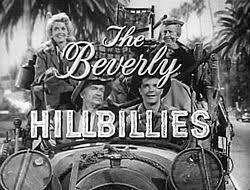
The evolution of TV news and entertainment mirrored social and political events in the decade. At the end of the ’60s, with Vietnam still raging and social upheaval in many corners of the nation, TV was used as a way to escape from the bad things, sitcoms such as “Green Acres” and “The Beverly Hillbillies” that had nothing to do with what was going on in the real world at the time. The documentary also examines the changes in sports coverage during the 1970s, including the debut of “Monday Night Football,” which began on ABC with a broader playing field, as it were, designed to engage viewers who weren’t just interested in the games.
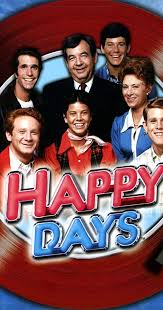
For a while, television seemed to be making up for lost time in the area of diversity alone, but then it seemed to get institutional cold feet. The definition of a family was recast again, back to mythological good old days, with shows like “The Waltons,” “Happy Days” and “Little House on the Prairie”


 Mass Media & American Life - Fall 19