
“What does America do? We watch television.”
Invented in the late 19th and early 20th century, television has been very popular in society ever since. People have enjoyed spending their time watching television, becoming an important part of people’s lives. In the United States, television is known for being capitalist and is a delivery device for all consumers. However, television is often referred to as “a unique creative art form,” and “ a mirror of our own world.”
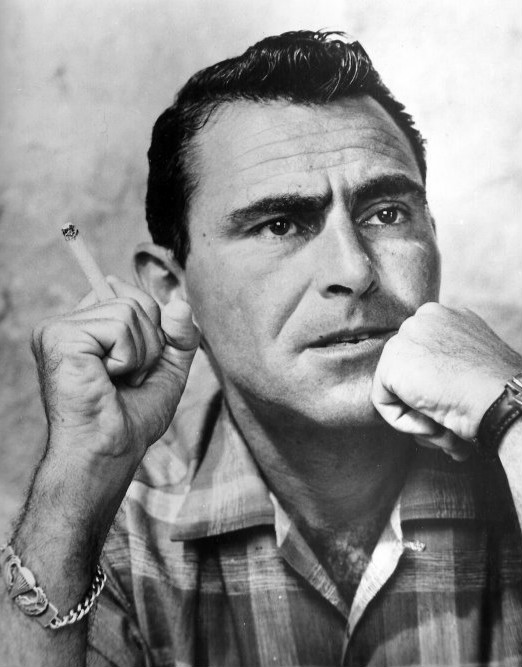
By the late 1950s, one of television’s brightest and most influential writers was Rod Serling. Serling was a screenwriter, playwright, television producer, and narrator known for his live television dramas and his science-fiction anthology series The Twilight Zone. Serling was active in politics, both on and off the screen, and helped form television industry standards.
The Twilight Zone ran for five seasons on CBS from 1959 to 1964, making the show one of Serling’s best pieces of work. Each episode presents a stand-alone story in which characters find themselves dealing with often disturbing or unusual events, an experience described as entering “the Twilight Zone,” often with a surpise ending and a moral. Although predominantly science-fiction, the show’s paranormalevents leaned the show towards fantasy and horror. The phrase “twilight zone,” inspired by the series, is used to describe surreal experiences. Serling often found himself writing the majority of the episodes from his own past experiences dealing with his service in the United States Army. He liked to write stories to help him deal with his trauma and frustration. However, at some point in his career, Serling could not find himself writing any more scripts so he decided to cancel his show and sold all his rights to CBS. Serling thought himself as a terrible writer that would leave no footprint behind, but that simply was not true. Serling is the most honored writer in television history. The show, alone, won two Primetime Emmy Awards, out of four nominations.
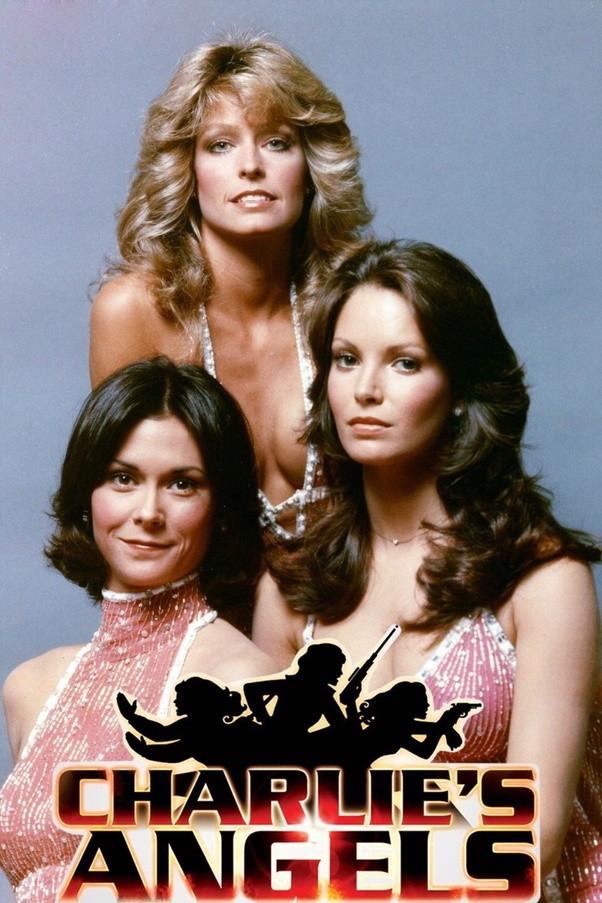
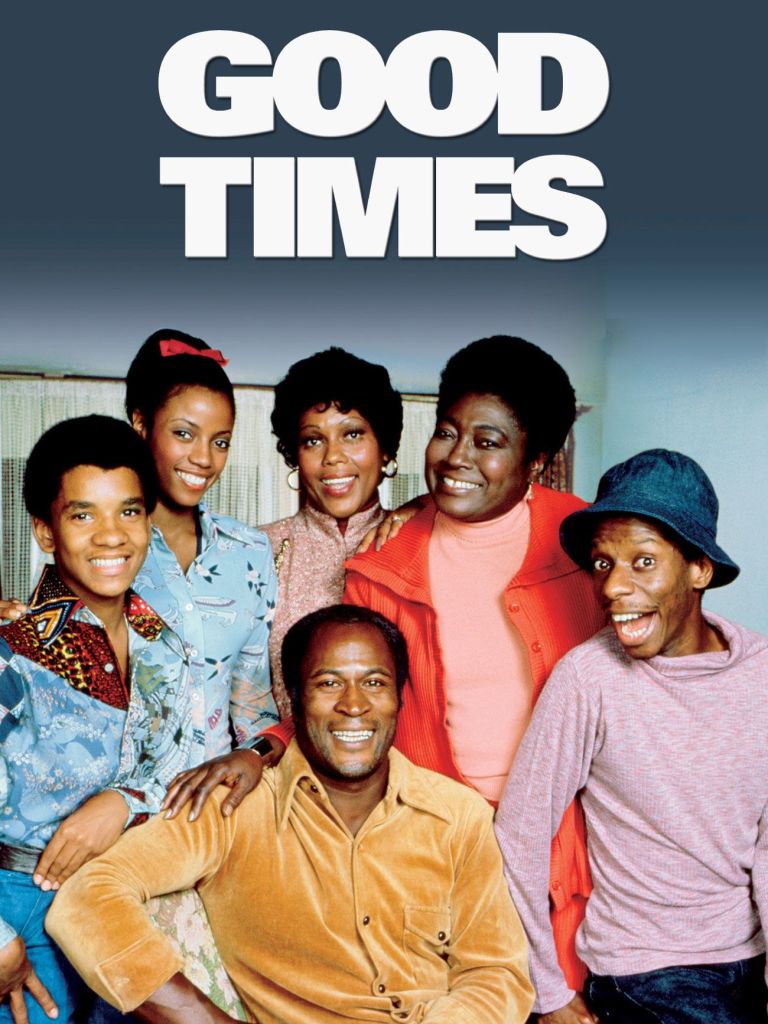
The Seventies saw significant changes in television programming in both the United States and the United Kingdom. The trends included the decline of the “family sitcoms” and rural-oriented programs to more socially contemporary shows and “young, hip and urban” sitcoms in the United States and the permanent establishment of color television in the United Kingdom. There were now black people on television, women having superior roles, homosexuality being addressed, and game shows increasing. The Seventies were a time to be alive and had plenty of socially accepted shows including Charlie’s Angels, The Mary Tyler Moore Show, Good Times, Happy Days, The Love Boat, M.A.S.H, Saturday Night Live, and Laverne & Shirley.
 Mass Media & American Life - Fall 19