MPAA – Solution or Problem?

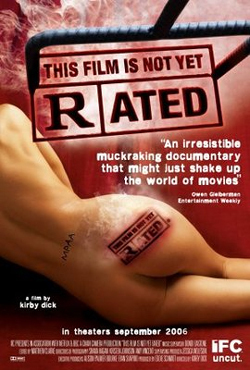
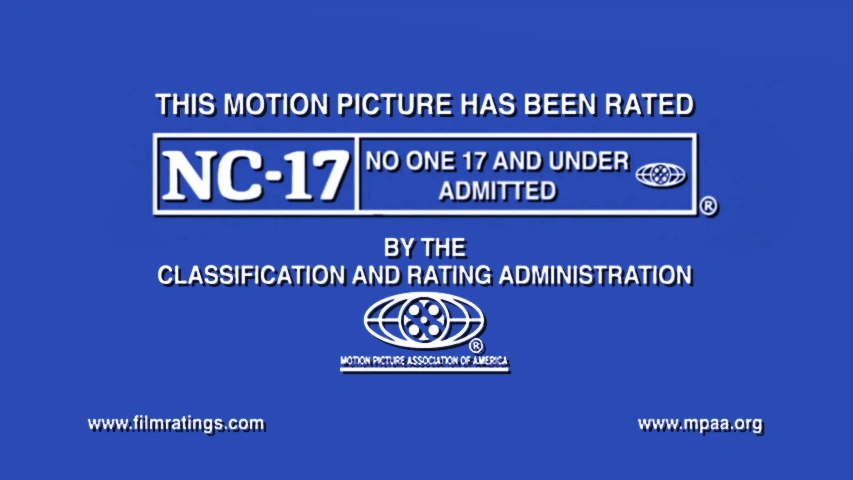
This week was very interesting as we talked different movies as well as how they are rated. The Motion Picture Association of America is not what we all thought it was. The way films are rated, who they choose to rate them is all kept secret. Kirby Dick who is an Academy Award-nominated director decided he wants to find answers to how these people go through the process of rating films. Usually for inappropriate movies that involve sexual acts, cursing and more, you would think that the movie would instantly be rated ‘R’. However, The MPAA has another classification of ratings called ‘NC-17’. Basically, it just means anybody under the age of 17 is prohibited to see the movie. Yet, how do movies that have just been filmed get graded? What criteria makes them ‘R’, ‘NC-17’, PG-13 and more? Kirby Dick tried getting answers by hiring a private investigator to stake out the MPAA building headquarters. He wants to know the truth about how the MPAA has so much underlying power. He also interviews other directors who have been affected by the judgements of the MPAA’s ratings. Directors such as Kevin Smith, Mary Harron, John Waters and others shared the complaints with the unfair system that continues.   
See the source image

One answer that was found was how the MPAA selects participants to volunteer and rate the newly-produced movies. You would think all participants would share similarities, such as having kids among a certain age, married, income and more. In a way, like a focus group would. However, the private investigator in the film found out that some of the people volunteering had kids, while others did not. Lots of raters selected never really had training in this either. They don’t know what classifies as ‘R’ or ‘NC-17’. How is that fair to people? The answer is that it simply isn’t. When Kirby Dick spoke with a MPAA official regarding a certain film and why it got a certain rating, the official was vague and secretive. The official wouldn’t give out any info on the personnel selected to rate the film, or why it was giving that specific rating period. The MPAA lacks consideration of high-class directors. It was also said that the MPAA treats homosexuality in films more harshly than heterosexuality. How is it fair to treat one different than the other when they both involve the same thing? Sex. You would think major production companies such as Paramount, MGM and Warner Bros would all have the power to select the ratings of their own movie since it is THEIR publication. But no. They all must be rated by and organization that hires inexperienced people with different aspects of life to view their film. Is the MPAA really the answer? Or are they just a problem that’s in the way of big-time directors?

Jason Berardicurti
Headed West

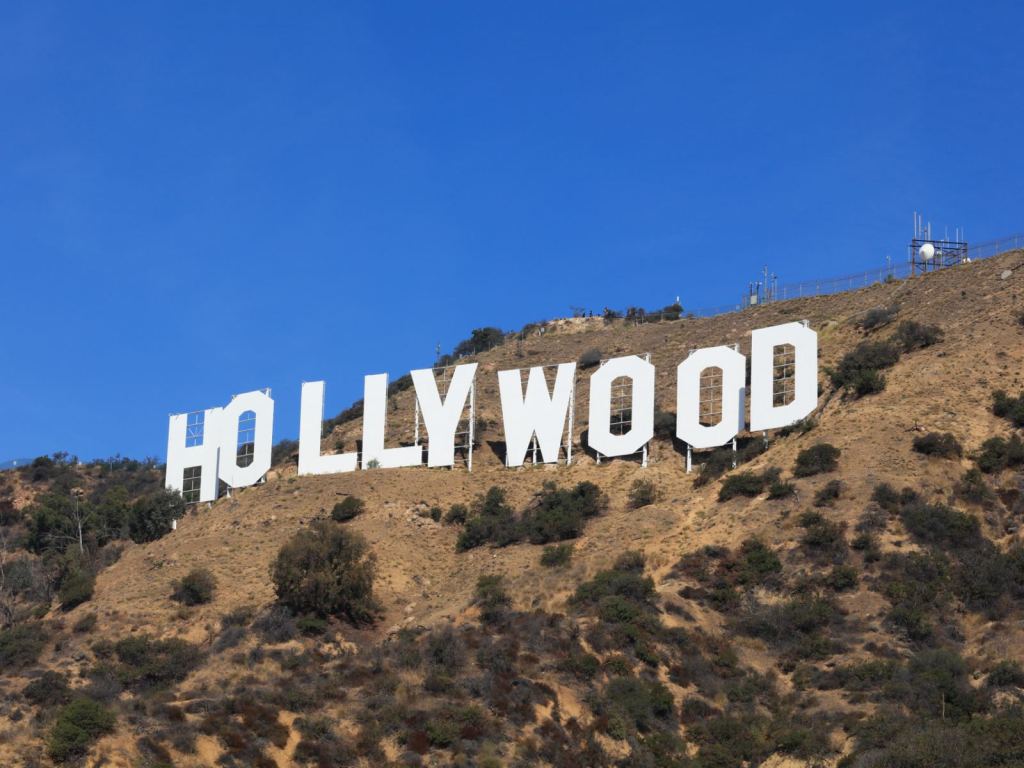
How and Why was Hollywood formed? It all started when younger and more curious people began joining the movie industry. They wanted to get away from the big parent companies located on the East Coast that were known to sensor and hold back the creative forward thinkers in the business. A second reason for the big leap across the country was for location in general. There is beautiful weather basically year round and there are so many different aspects of nature all within reach from the coastal beaches, the wooded mountains, to the barren desert. One last major factor for the industry moving out there was, There was cheap land, and I mean a lot of it, because not many people had migrated that way yet. For those reasons it is quite a unique place.

Image result for hollywood in early years
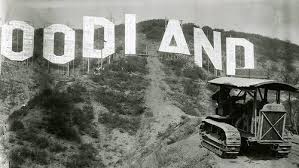
In early years the Famous now “Hollywood” sign read “HollywoodLand”

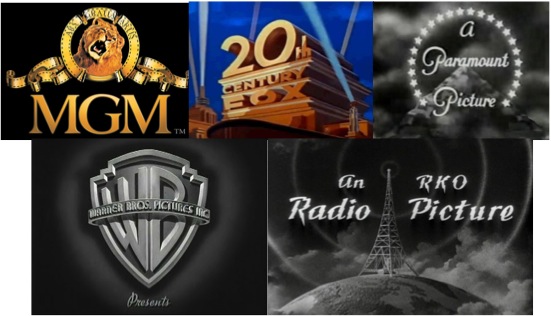
Around this same time and carrying forward a short amount of time we started to see very clearly who were the top dawgs and who fell inline beneath them. The top dawgs at this time are also known as the “Big Five” which consisted of Paramount, Warner Bros.,Metro-Goldwyn-Mayer, 20th Century Fox, and RKO. The smaller guys who trailed way behind were the “Little Three”; Columbia, United Artists, and Universal. The thing that made the big five so large and powerful was the way they ran their businesses. Each of them produced all their own movies with what goes along with that, as well as owning the theatres that the movies would be screen in. Therefore they were making money on all fronts.

Image result for this film is not yet rated logo

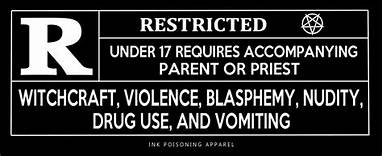
Switching to the more modern times and the struggle over censorship and the organization that was built off of censorship, the MPAA (Motion Picture Association of America). In the screening of “This Film is Not Yet Rated” we heard from many people who are in the film industry and their criticisms of the MPAA. The overall feeling I gathered from their statements and the investigation was that the MPAA is not fully truthful not forward with what actually is going on within the walls of the organization. I thought it was very interesting when they revealed that the rating of NC-17 could be placed on something the exact same as something that was rated R other than the fact that one depicts gay interactions while the other shows straight interactions (the image above depicts this). Along with many other instances in the film, I think that it is pretty wild how we allow such a small group of people who are nothing like the rest of the country decide what the rest of the country watches. We need people to ignore the ratings and watch what they think is acceptable for themsleves and children.

Image result for change the system

-Shane Weber

OG Movie Industry

In being able to appreciate anything, especially art mediums, you have to study and learn from its origins and history. This is especially true in the movie industry, especially if you want to understand how to make and sell a movie of your own. Turns out it’s a lot harder than one would think, you can’t just have an idea and make millions off it like some may think. “The Structure of New Hollywood” by Tom Schatz explained how in the 1920’s and 40’s, the movie industry adopted the “studio system”, mirroring the industrial revolution in having a factory-like approach to making movies. They had 3 systems working for different parts of the movie, production, distribution, and exhibition. There were 8 major Studios, and the “Big 5” were studios that were vertically integrated, meaning they were were responsible for all 3 of these steps and did them their selves. MGM, Fpx, Paramount, RKO, and Warner Bros. were the big 5, and if you wanted a big movie you had to go through them.The movie industry flourished, and was considered by many to be in it’s prime. That is until the government passed the Paramount anti-trust decree, breaking up the power studios had and led to them putting the creative keys in the hands of independent producers and directors, for who which the studios would then produce the film for.

The part that shocked me the most was the documentary we watched, “This Film Is Not Yet Rated.” It blew my mind how ridiculous and confusing the censorship has been from the MPAA, the ratings committee that rates all movies in America. There was no set rules or standards to go by, the ratings were unfair & anonymous, and good luck trying to appeal a rating especially if you got an NC-17. The board finds ridiculous things inappropriate, and provides no justification into unfair comparisons between films. They constantly contradict themselves and block artists creative minds from flourishing. As an artist myself, this is especially angering because I know if someone told me I couldn’t create what was in my head, I would be furious. It just sucks that there’s no way around them and if you really want to make money with your movie, you’re going to have to deal with them and pretty much accept what they want out of your film. It’s frustrating as a consumer as well, knowing you can’t be exposed to a director/producer’s true creative mind because of a bunch of random adults (who turn out to be people linked back directly to the studios) who don’t know what the public wants if it was waving in front of them.

TV in the 90s and How Movies are Rated

America is very different when it comes to topics like sex compared to other places in the world like Europe. In America sex has been more hush hush especially throughout the 20th century. In 2019 when it comes to sex, nudity, or even just talking about sex, it’s a little more relaxed than it used to be. When it comes to movies they could be rated are for things like drugs, swearing and violence. A movie could be rated NC-17 if it contains a lot adult content like sex and a lot of violence. A movie can still be rated PG-13 if there is violence but no blood. These ratings are important because it limits your movie to a specific audience. For example if you goal is to create a movie that is PG-13 that means that this movie can be seen by mostly everyone. The catch is that if you’re if you’re 13 or under then you would need a parent or guardian to come with you. If your movie is rated R that means you have to be over the age of 18 to go see that movie by yourself, but if you’re under the age of 18 you may still see the movie but you parent or guardian has to come with you. NC-17 means that only adults can go see this film and no one else. In other places around the world when it comes to sex and violence, unlike America, it’s the opposite. That means that movies are more likely to get a rated R or NC-17 if there’s a lot of violence in the movie instead of sex. One of the main reasons why movies are rated the way that they are in America is because people don’t want to receive letters or phone calls, getting harassed over the content of the movie. It’s also almost like an attempt at brain washing because people who you and I don’t even know are determining whats safe for people to watch and what isn’t because they think we’ll indulge in bad behavior because we saw it in a movie. When a war movie is being made the film makers have to consult with the pentagon to make sure that the American military isn’t being portrayed negatively. To make sure the movie isn’t showing off a war crime. In my opinion i think that is pretty crazy. I think people should be able to watch what they want to watch,it’s almost like saying violent video games cause people to be violent which has no proof to support it. At the end of the day people are individuals who should be able to develop their own morals, decide for themselves if that’s something they want to watch.

This Post Is Not Yet Graded

This week was very interesting. This was my second time watching ‘This Film Is Not Yet Rated’. My first time watching it was last year in my History of Motion pictures class and I can definitely say that I enjoyed it as much as I did when I first watched this documentary. In an uncommon and invigorating inversion of jobs, movie producers put the ground-breaking Motion Picture Association of America under the magnifying instrument for assessment in Academy Award-designated chief Kirby Dick’s sharp take a gander at stateside film’s most infamous non-editing blue pencils. Constrained by the amazing measure of intensity that the MPAA appraisals board uses, the movie producer searches out the genuine characters of the mysterious first class who control what movies make it to the multiplex. He even ventures to such an extreme as to enlist private specialist Becky Altringer to stake out MPAA central station and uncover Hollywood’s best-stayed quiet. En route, Dick talks with various movie producers whose vocations have been influenced by the apparently irregular and sexual-content fixated decisions of the MPAA. The revelation that many rating board individuals either have children 18 and over or have no kids at all that the board appears to treat gay material substantially more cruelly than heterosexual material that the board’s raters get no preparation and are intentionally picked as a result of their absence of skill in media education or kid advancement; that senior raters have direct contact as required gatherings with studio work force after film screenings and that the MPAA’s interests board is similarly as hidden as the rating board, its individuals were for the most part cinema chain and studio officials. Likewise included on the interests board are two individuals from the clergy.

https://slate.com/culture/2006/08/this-film-is-not-yet-rated-reviewed.html

https://www.nytimes.com/2006/09/01/movies/01rate.html
Image result for mpaa"

The film rating framework in this nation is represented by a mystery board made by the significant film studios over 35 years back. Since it’s beginning the MPAA evaluations board has worked as a kind of ‘black box’ where motion pictures go in one end and a rating turns out the other, with definitely no straightforwardness or open responsibility of the procedure. The MPAA rating framework is openly broadcasted to be simply a deliberate industry framework that no one is ‘required’ to pursue. Sadly the truth of the motion picture industry is altogether separated from these harmless decrees. The rating put on a film generally figures out who gets the chance to see it in a theater, and what kind of exposure for the motion picture will be acknowledged by TV and papers. A NC-17 essentially ensures that solitary the little fragment of the general population with access to workmanship house films will ever plunk down in a theater to watch the film, and that there will be basically no real way to elevate the film to people in general. Kirby Dick moves toward this subject with diversion, understanding, and tirelessness. He attempts to brush the top off of the black box of the MPAA rating framework. In the process he makes an account loaded up with both data and silliness. While I will leave his techniques as a shock for the watcher, do the trick it state they are both unpredictable and compelling. If you care deeply about he art of film, This Film Is Not Yet Rated is an unquestionable requirement see. Then again on the off chance that you simply need to gain proficiency with a bit of something and have a decent giggle, this is a decent pick for you as well.

Image result for this film is not yet rated"

Motion Pictures


While reading the section, “The Rise and Fall of the Classical Hollywood Studio System” I found it interesting that in order to understand the studio system in today’s Hollywood we must understand its earlier development. We must trace back to its roots in the 1920’s through the 1940’s. This was when the “studio system” crucially depended on vertical integration production, distribution, and integration. After reading some of the article it was fascinating to see where the film world had started and has evolved to.

In class we watched a film called “This Film is Not Yet Rated.” I found this film very interesting because it sheds light on issues in the film industry that I was not aware of. The MPAA is a highly secretive company that is in charge of giving media their ratings. What struck me was the lack of equality that the system of ratings follows. What I mean by this is that a sex scene between a man and woman would be deemed acceptable, but a sex scene between two people of the same gender would be given the NC-17 rating. This was surprising to me, especially in today’s age, because of the growing acceptance among society. Along with this, there is a problem when it comes to female pleasure and the length of the scenes. It is more acceptable to view a male orgasm versus a female, which makes no sense. People are afraid of female pleasure. This made me angry because women are still being treated unfairly, even in the means of sex. Why are women’s bodies such a sensitive matter? When a producers asks the MPAA why they have received that rating they are unable to give an answer or provide an answer that is not fair.

Much of the reasoning behind the ratings for particular sex scenes was a fear that it would give a younger audience the wrong ideas and impressions. Ratings were based off what a parent would want their children watching. Rating movies this way is not reasonable because it is saying that all parents have the same views on what they should and should not allow their child to watch. I feel that solid rules need to be put in place that do not favor one gender or sexual orientation over the other. Why is one more “appropriate” than the other?

I believe that allowing particular media to be filmed and allowed is important. The child and parent should be able to decide for themselves whether the film is okay to watch. Film and media are spreading as technology grows and it is important that kids are kept up to speed on what is happening so that they can be better prepared for the future.

Hollywood

The movie business was young at one point. In the past 5 big companies were the way we say movies. We saw that many were vertically built in order to have everything in the house. They owned the equipment for making movies, the actors and even the way movies were seen by people. They owned the movie theaters so there was no competition with other movies at the theater. It made it so no small companies could beat them out.

Location, Location, Location. California was the perfect location for everything. You could buy land for cheap and in the same day you were able to go snowboarding and surfing into the dessert in the same day. With the cheap price of property it was almost a steal and these companies had no parent company to watch over them all the way out in California.

This freedom did not last long. Due to the poor running of company’s they had to sell to larger companies and lost their freedom they worked so hard to get. The owners often would gamble away their company money.

MPAA official stamp of death.. Ncc17 rating the true the death of the movie The Motion Picture Association of America has the end all be all when it comes to rating movies and whether or not a film can be successful. Form many people trying to make a movie they hope for rated “R” at the most especially when trying to make a more grown up film.

The Issue seems to be that there are unknown rules and regulations on what is too much. This also seems to be biased on the individuals who are watching the movies. What is too much in one movie is not far enough in others. There is no clear definers, and when you go to the review board to get the rating lowered you can’t mention what other movies have done in comparison, nor can you know who is rating your movies. The raters are completely anonymous even though they are supposed to be the average moviegoer whatever that means. No one seems to know what the average moviegoer is.

We may not know exactly what the line is however, we do seem to have a guess. It appears to be women pleasure. The other line seems to be anything more than just one man and women. When American pie came out it was rated R. many other movies tried to do something similar but with women and was rated Ncc17. Even though they were a lot less than what just came out in American pie. Women enjoying sex seems to be the big shebang.

The Evolution of Motion Picture Films

The evolution of the studio system in classical Hollywood played a key part in the rise of motion picture films. The beginning of studio systems can be traced back to the 1920’s, which was referred to as the “Classical Era.” What this means is that these studio systems relied on factory-based production as well as vertical integration of production, distribution, and exhibition. Vertical integration simply means that the production company has ownership over these three stages in the film process, which means they receive all of the profit. This led to the development of the “Big Five” studios and the “Little Three” studios. The “Big Five,” which were vertically integrated, consisted of MGM, Warner Bros., 20th Century Fox, Paramount, and RKO. These studios not only produced and distributed films, but operated their own theater chains as well.

Image result for big five studios

The “Little Three” consisted of Universal, Columbia, and United Artists (UA). These studios produced and distributed top feature films, but did not own their own theaters.

During the Great Depression and World War II, the studio system was at an all time high. Since these two crises were going on, this basically forced the government to tolerate the studios’ monopolistic control over the film industry. This allowed studio systems to maintain their factory operations as well as the “employees.” People that worked under these studios ranged from top stars to stagehands.

Image result for ww2

The 1940’s proved to be a unique era for the film industry. In 1946, the studios’ had their best year in terms of revenues and profits, but by 1947-1948 the industry was on the verge of collapse. There were two major reasons for this. The first being the Supreme Court’s 1948 Paramount decree. This was an antitrust ruling that resulted from persistent legal challenges by independent exhibitors, which forced the “Big Five” studios to sell their theater chains and prohibited the collusive trade practices that were crucial to the studios’ control of the motion-picture marketplace. The second reason for this decline was due to the rapid growth of television, which was propelled by sustained economic prosperity and wholesale changes in postwar American lifestyles. Watching television soon began to replace going to the movies because you had a television right in front of you. There was no need for people to go somewhere else to watch entertainment other than their living room. Luckily, the studios survived due to adapting to the new environment. Studios simply changed the way they made movies and did business. The studios concentrated on financing and distribution rather than production. This meant that studios had to now rely on independent producers to supply “packaged” projects that the studios would “green light” for production. This then gave more power to the independent producers. This led to the evolution of new American Cinema. Big name directors like George Lucas and Steven Spielberg began to dominate the industry.

Image result for steven spielberg
Steven Spielberg
Image result for george lucas
George Lucas

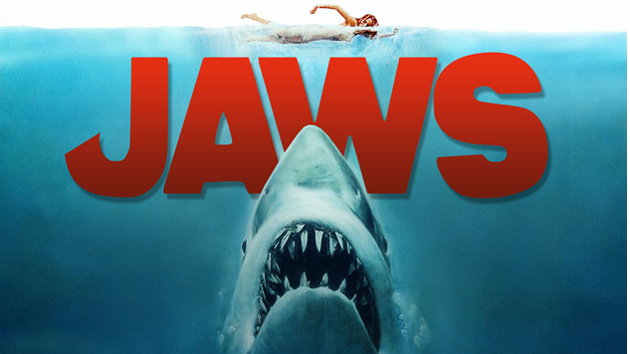
This led to the development of one of the most famous films called Jaws. Jaws was the breakthrough “summer blockbuster,” and the first film to gross over $200 million at the box office and to return over $100 million in rental receipts to its distributor. Because of this, multiple sequels were released.

Image result for jaws

Jaws brought a spark back to the film industry, which paved the way for many more famous films. Some of these include Star Wars and Superman. The industry recovery accelerated in early 1980’s, which soon led to the emergence home-video and cable industries.

-Tyler Tanevski

Motion Pictures In Media

Do you ever wonder who the people are who decide the ratings on films? These people are members of the Motion Picture Association of America (MPAA). An incredibly secretive board decide whether or not a movie is G, PG-13, R, and NC-17. I would not personally think that much about a rating because I could care less what a film falls under. If I think a movie looks interesting, regardless of its MPAA rating, I will watch it.

In my opinion, Americans are kind of fearful when it comes to sex and nudity on screen. We can put a bullet through someone’s head, but to show a little pubic hair, you will get slapped with a NC-17. Why is that? What are we so afraid of?

For class this week, we watched the documentary “This Film Is Not Yet Rated.” In this documentary, Kirby Dick exposes the MPAA system. This film is divided into three sections. The largest one we see various filmmakers (Kimberly Pierce, John Waters, and Kevin Smith) revealing the problems they have experienced because of this American ratings board. The second section features the director’s efforts, with the help of his private investigator, uncover the identities of the film raters. In the film, we find out the MPAA members are just ordinary people with families of their own. The last section focuses on Kirby’s own censorship trouble. He sent a rough cut of the documentary to the MPAA, receiving the NC-17, and so we get to see his frustration as he tries to appeal the controversial decision.

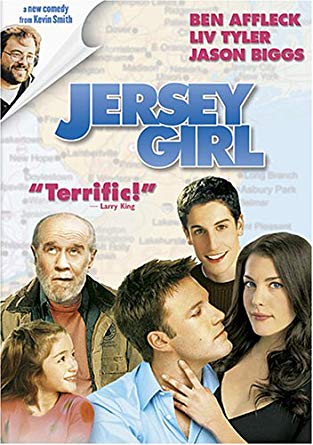
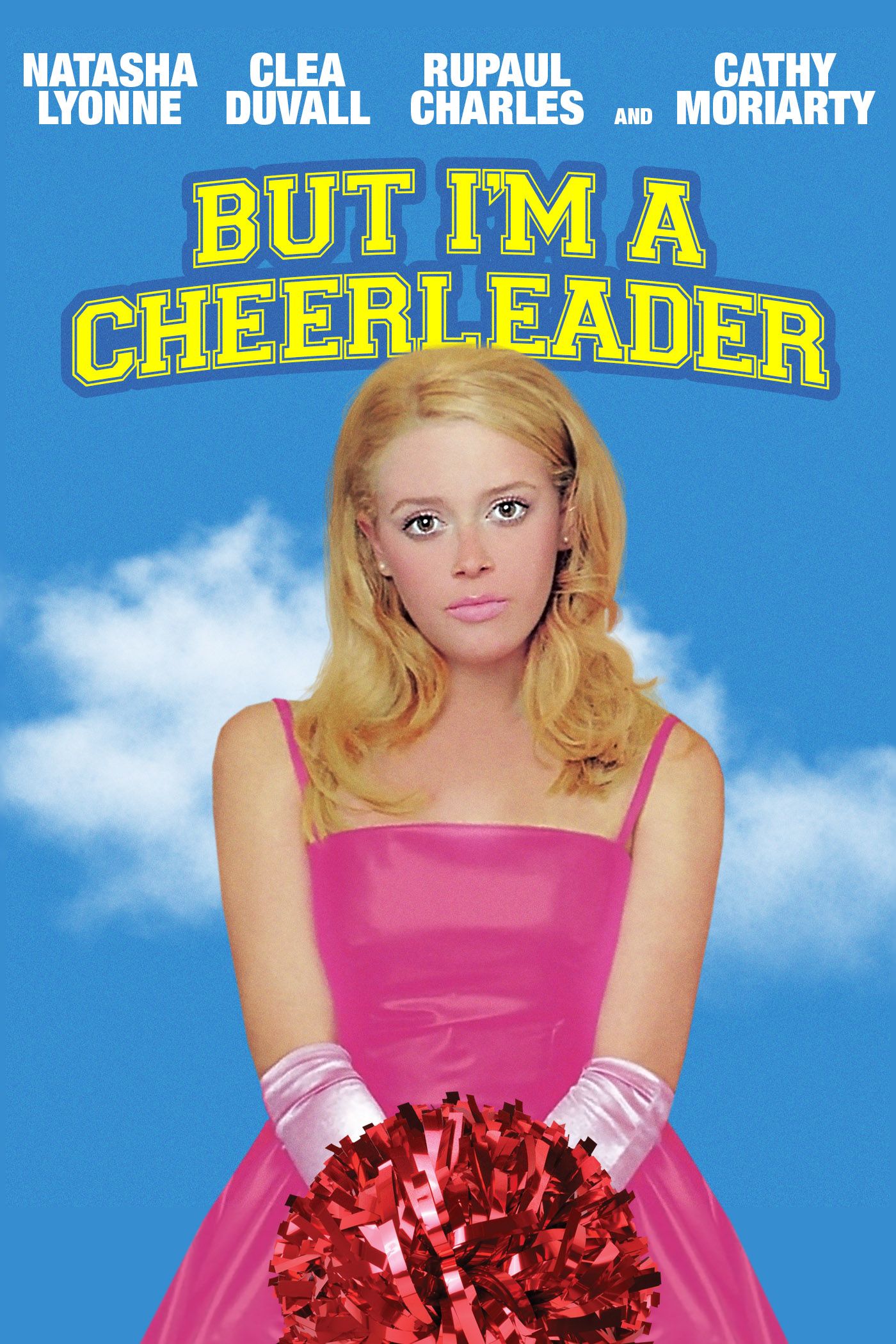
I think the best part of the film was getting to know the rules of the game a bit better. Apparently, any kind of “weird” sex is not welcome: oral sex (Boys Don’t Cry), threesomes (The Dreamers and American Psycho), gay sex (Mysterious Skin, Where The Truth Lies, and But I’m A Cheerleader) and female masturbation. Though Jersey Girl is a PG-13 movie, the MPAA almost rated it an R because Liv Tyler talks about. That is ridiculous. No wonder why so many people hate the MPAA.

Another thing I think is interesting is that the NC-17 is only used against sex. No one ever says anything about on-screen violence. Any movie can have the highest body count, and be rated R. If there is no blood, it might even get a PG-13. As people point out, many other countries have exact opposite attitudes.

Movies and Media

This week in class we watch the documentary “This Film Is Not Yet Rated”, I felt that this was extremely interesting and informative.  I really enjoyed how the documentary was put together including clips taken from rated movies and how they went about finding out information from a highly secretive MPAA. images.jpegI think it is very interesting that in a society that prides itself on being so free and opens the movie industry has so many restrictions. What I find insulting and concerning is when a movie is supporting a positive message that needs to be communicated but it is still muted by the MPAA. For example, in the movies that focussed on portraying women’s pleasure the MPAA was more likely to give the movie an NC-17 rating as well as movies that “exposed” gay sex.  The MPAA reasoning for this was that they didn’t feel it was right to show sex in positions that weren’t “accepted by society”, this was said to be in fear of an increase in sexual activity between teens. In reality, I think that limiting sexual content (to a degree), doesn’t allow teenagers to receive answers they are asking themselves, therefore potentially putting themselves ina more dangerous position.

The movie that we watched was created in 2005, while that was only 10 years ago I feel a lot has changed not only with an increase in technology but within the general opinions of American citizens, parents, and people. It makes me curious as to if the system has Unknown.jpegchanged at all and if those raters have gotten either more or less restrictive. In a time that is so split both in political opinions as well as just general ideas, I wonder who the “average” American parent is and if they are even right to have certain opinions on what kids have the right to see.

I think that with the increase in media and technologies, the movie industry has the opportunity as well as the expectation to help eductae children and teenagers safely and correctly on topics such as sex, violence, war and many more. They can provide a trustworthy resource that can show people a direct message, something that social media is overflowed with, and therefore cannot be trusted. However, at the moment, the industry is unable and doesn’t share such a message but rather displays an entertainment video that is targeted towards the white male perspective.

-Grace Hanlon